Signs of Nursing Home Abuse and How a Lawyer Helps
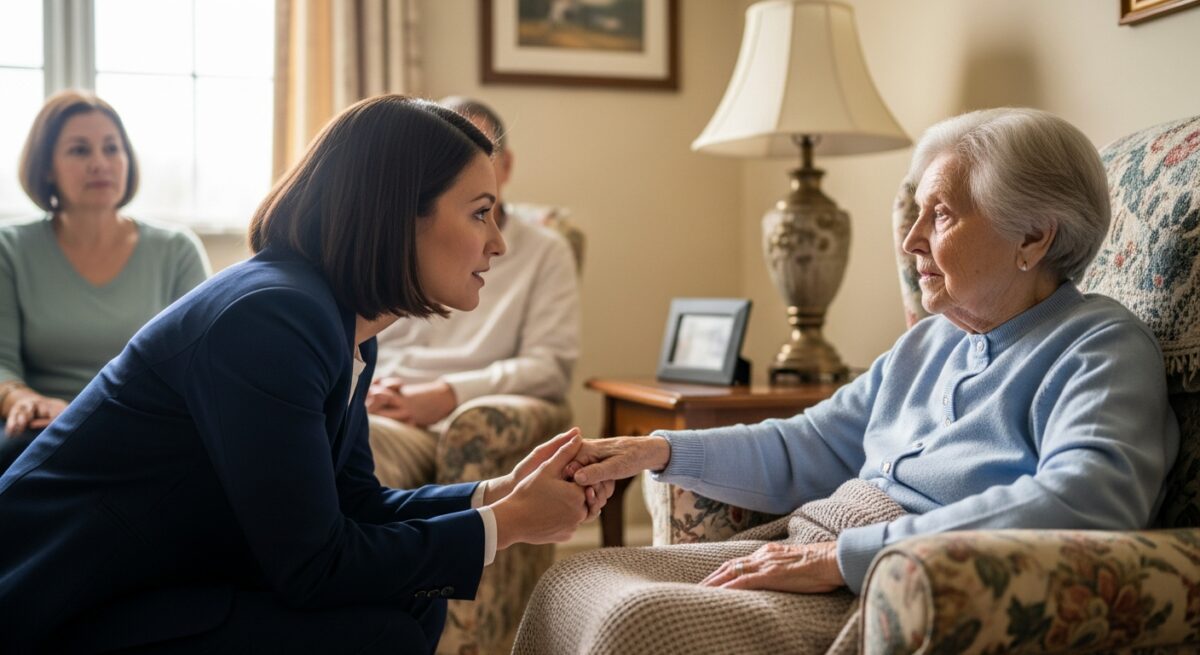
Discovering that a loved one is suffering in a long-term care facility is a heart-wrenching and infuriating experience. Families place immense trust in nursing homes to provide compassionate, competent care, and a betrayal of that trust can leave you feeling powerless. The legal system provides a path to hold negligent facilities accountable, secure justice for your family member, and obtain compensation for the harm they have endured. Understanding your legal rights and the powerful role a specialized nursing home abuse lawyer plays is the first critical step toward protecting your loved one and ensuring their safety and dignity are restored.
Recognizing the Different Forms of Nursing Home Abuse
Abuse and neglect in nursing homes are not always obvious. They can manifest in subtle ways that a resident may be unable or afraid to report. A comprehensive awareness of the different types of mistreatment is essential for early detection and intervention. Physical abuse involves the intentional use of force resulting in injury, pain, or impairment. This includes hitting, shoving, inappropriate use of restraints, or forcible feeding. Signs may include unexplained bruises, cuts, burns, or fractures, along with a resident’s sudden flinching or fear of being touched.
Emotional or psychological abuse can be equally devastating, involving verbal assaults, threats, humiliation, or isolation. Residents subjected to this abuse may become withdrawn, depressed, unusually agitated, or exhibit signs of dementia such as rocking or mumbling. Neglect, which is the failure to provide necessary care, is one of the most common forms of mistreatment. It can be intentional or a result of chronic understaffing. Signs include bedsores (pressure ulcers), poor hygiene, unexplained weight loss, dehydration, and untreated medical conditions. Financial exploitation involves the illegal or improper use of a resident’s funds, property, or assets. Unexplained bank withdrawals, missing personal items, or sudden changes to a will or power of attorney are red flags. Sexual abuse, while less common, involves any non-consensual sexual contact. Indicators include bruising around the breasts or genital area, torn or stained underclothing, and the onset of sexually transmitted diseases.
Why You Need a Specialized Nursing Home Abuse Lawyer
Nursing home abuse cases are legally and factually complex, distinct from standard personal injury claims. A lawyer who focuses on this specific area of law brings invaluable expertise. These cases often involve intricate medical records, corporate structures designed to limit liability, and stringent state and federal regulations governing long-term care facilities. A specialized attorney understands how to navigate these complexities. They know how to investigate a claim thoroughly, which is a multi-step process. This involves securing and meticulously reviewing medical charts, staffing logs, and facility policies; interviewing staff, residents, and medical experts; and consulting with geriatric specialists to link the facility’s failures directly to your loved one’s injuries.
Perhaps most importantly, a skilled nursing home abuse lawyer levels the playing field against well-funded corporate defendants and their insurance companies. These entities have legal teams whose primary goal is to minimize payouts or deny claims altogether. An experienced advocate protects your family from aggressive tactics, handles all communication, and builds a compelling case for maximum compensation. This compensation, or damages, can cover past and future medical expenses for treating injuries, pain and suffering, emotional distress, and in tragic cases of wrongful death, funeral costs and loss of companionship. As with other personal injury fields, most nursing home abuse lawyers work on a contingency fee basis, meaning you pay no upfront costs. Their fee is a percentage of the recovery they secure for you, aligning their success directly with yours. This structure ensures legal access for families regardless of their financial situation, similar to the arrangements explained in our guide on understanding contingency fee agreements.
The Legal Process for a Nursing Home Abuse Case
Pursuing justice is a structured journey. It begins with an initial consultation, where you provide the attorney with all known facts, documentation, and your concerns. The lawyer will evaluate the viability of your case, explain your legal options, and outline the potential path forward. If you decide to proceed, the formal investigation phase begins. Your legal team will gather all evidence, obtain sworn statements from witnesses, and retain qualified medical experts to establish the standard of care and how the facility deviated from it, directly causing harm. This evidentiary foundation is as crucial in nursing home cases as it is in proving property negligence in premises liability claims.
Before a lawsuit is ever filed, your attorney will typically engage in pre-litigation negotiations. They will present a detailed demand package to the nursing home and its insurers, outlining the facts, liability, damages, and a settlement demand. Many cases are resolved during this phase. If a fair settlement cannot be reached, your lawyer will file a formal complaint in civil court, initiating the lawsuit. The discovery phase follows, where both sides exchange information through interrogatories, document requests, and depositions. A key strategic decision your attorney will guide you through is whether to settle or proceed to trial. While trials are public and can result in higher awards, they are also lengthy and uncertain. Settlements provide guaranteed, timely compensation and privacy for your family. Understanding this critical choice is vital, as explored in our resource on the difference between settlement and trial.
What to Look for When Hiring an Attorney
Choosing the right legal advocate is a decision that significantly impacts the outcome of your case. You should seek an attorney or law firm with a proven track record specifically in nursing home abuse and neglect litigation. During your consultation, ask pointed questions about their experience with cases similar to yours and their history of verdicts and settlements. Assess their communication style and compassion. You need someone who will listen to your family’s story with empathy, keep you informed at every stage, and treat your loved one with the dignity they deserve. Inquire about who will handle your case day-to-day and how accessible they will be for your questions.
It is also wise to understand the firm’s resources. These cases often require significant investment in medical experts, investigators, and litigation costs. A well-established firm will have the financial capacity to fully develop your case without pressuring you for an early, low-value settlement. Finally, trust your instincts. You are entering a partnership during a difficult time. You should feel confident in your lawyer’s competence and comfortable with their approach.
If you suspect abuse, time is of the essence due to statutes of limitations, which strictly limit the time you have to file a lawsuit. Furthermore, evidence can disappear, memories fade, and residents’ health can decline. Taking immediate action to protect your loved one is paramount. Document everything you see or hear, report your concerns to the facility administration and state licensing agencies, and consider moving your family member to a safer environment. Then, consult with a qualified nursing home abuse lawyer to understand your legal rights and options. Standing up against abuse not only seeks justice for your family but also helps enforce higher standards of care, potentially protecting other vulnerable residents from similar harm.