Motor Vehicle Accident Rehabilitation: Expert Treatment for Healing
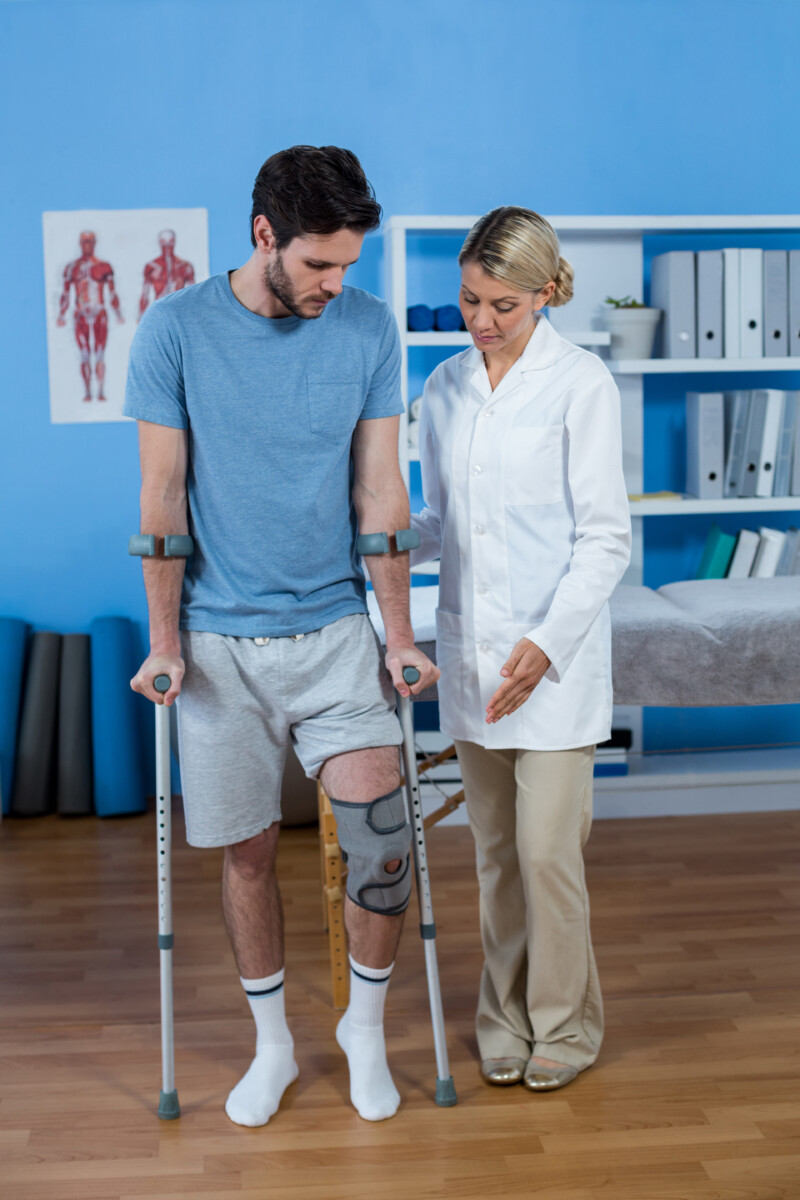
The screech of tires, the impact of metal, the sudden shock—the moments of a motor vehicle accident are over in a flash, but the journey to recovery can be long and complex. Beyond the immediate physical injuries, car crashes can leave a lasting imprint on your mental well-being and overall quality of life. Successful recovery is not merely about healing broken bones; it’s about restoring function, rebuilding confidence, and reclaiming your life through a structured, multidisciplinary process known as motor vehicle accident rehabilitation. This comprehensive approach is critical for achieving the best possible outcome for your health and is often a cornerstone of a strong personal injury claim, connecting your medical needs directly to your legal rights to fair compensation.
What Is Motor Vehicle Accident Rehabilitation?
Motor vehicle accident rehabilitation is a specialized, holistic treatment plan designed to address the wide range of injuries and challenges a person may face after a crash. It moves beyond basic medical treatment to focus on restoring an individual’s physical, cognitive, and emotional health to their pre-accident state or to the highest level of function possible. This process is tailored to the unique circumstances of each survivor, as injuries can vary dramatically from whiplash and concussions to spinal cord trauma and complex orthopedic fractures. The core philosophy is one of integrated care, where various healthcare professionals collaborate with the patient—and often their legal representative—to create a seamless path toward recovery. Understanding this process is vital, as thorough documentation of your rehabilitation journey is essential evidence should you need to pursue a legal claim for your injuries and losses.
The Phases of the Rehabilitation Journey
Rehabilitation after a serious accident is not a linear event but a progression through distinct, often overlapping phases. Each phase has specific goals and involves different types of care providers.
Acute Care and Initial Stabilization
This phase begins immediately after the accident, often at the scene with emergency medical services and continues through hospital admission. The primary goals are to preserve life, stabilize critical injuries, and prevent further harm. This may involve surgery, immobilization of fractures, and management of internal injuries. Diagnostic imaging, such as X-rays, CT scans, and MRIs, are crucial during this stage to identify all injuries, some of which, like soft tissue damage or traumatic brain injury, may not be immediately apparent. It is during this initial phase that the foundation for your rehabilitation plan is laid, and it is also the time when critical legal steps should be initiated, such as securing a copy of the motor vehicle accident report.
Subacute Rehabilitation and Active Recovery
Once medically stable, the transition to active rehabilitation begins. This is typically the most intensive phase, where the focus shifts from mere survival to functional improvement. Patients may transfer to an inpatient rehabilitation facility or begin outpatient therapies multiple times per week. The core of this phase involves targeted interventions to reduce pain, increase range of motion, rebuild strength, and restore mobility. It’s a period of hard work where progress is measured in regained abilities, whether it’s walking without assistance, lifting a grocery bag, or returning to work on modified duties. The consistency and duration of this therapy are meticulously documented, forming a clear narrative of your recovery efforts which is invaluable for any related compensation for motor vehicle accident claims.
Long-Term Management and Functional Restoration
Not all injuries resolve completely. For many accident survivors, the final phase of rehabilitation focuses on long-term management and adaptation. The goal here is to maximize independence and quality of life despite any lasting impairments. This may involve learning new ways to perform daily tasks, using assistive devices, managing chronic pain, and addressing vocational retraining if a return to a previous job is not possible. Psychological support remains crucial during this phase to help individuals cope with permanent changes and build resilience for the future.
Key Components of a Successful Rehabilitation Team
Effective motor vehicle accident rehabilitation relies on a coordinated team of specialists. Each professional brings a unique skill set to address different facets of recovery.
- Physiatrists (Physical Medicine & Rehabilitation Doctors): These physicians lead the rehabilitation team. They diagnose conditions, prescribe treatments, manage pain medication, and coordinate the overall plan of care.
- Physical Therapists (PTs): PTs focus on restoring physical function. They design exercise programs to improve strength, flexibility, balance, and gait. They are essential for recovering from musculoskeletal injuries like whiplash, back pain, and fractures.
- Occupational Therapists (OTs): While PTs help you walk, OTs help you live. They work on the skills needed for daily living and work, such as dressing, cooking, and using a computer. They may recommend adaptive tools and teach energy conservation techniques.
- Chiropractors: Often involved in treating spinal and joint dysfunctions, particularly from whiplash-type injuries. They use manual adjustments and other modalities to improve alignment, reduce pain, and enhance nervous system function.
- Psychologists or Counselors: The psychological impact of a traumatic accident can be profound. These professionals provide therapy for post-traumatic stress disorder (PTSD), anxiety, depression, and fear of driving, which are common after crashes.
- Neurologists and Neuropsychologists: For those who have suffered a concussion or more severe traumatic brain injury (TBI), these specialists are critical for assessing cognitive function, memory, and processing speed, and designing cognitive rehabilitation programs.
Navigating this team and the associated medical expenses while also dealing with insurance companies can be overwhelming. This is where the guidance of a knowledgeable legal professional becomes indispensable to ensure your treatment is covered and your rights are protected, a topic explored in depth in our resource on motor vehicle accident law.
Common Injuries Treated Through Rehabilitation
Rehabilitation protocols are tailored to specific injuries. Some of the most common conditions addressed include:
Whiplash and Soft Tissue Injuries: Perhaps the most frequent MVA injury, whiplash involves damage to the muscles, ligaments, and tendons in the neck and upper back. Rehabilitation focuses on pain management, gradual stretching, and strengthening to restore normal movement and prevent chronic pain.
Traumatic Brain Injuries (TBI): From mild concussions to severe brain trauma, TBIs require specialized neurorehabilitation. Treatment may include vestibular therapy for dizziness, cognitive exercises for memory and focus, and occupational therapy to relearn life skills.
Spinal Cord Injuries (SCI): These are among the most life-altering injuries. Rehabilitation for SCI is intensive and long-term, focusing on preserving remaining function, learning to use assistive technologies, and adapting the home environment for maximum independence.
Orthopedic Fractures and Joint Injuries: Broken bones, torn ligaments (like ACL or meniscus tears), and joint dislocations require precise rehabilitation to ensure proper healing, restore strength, and regain full range of motion without stiffness.
Insurance, Legal Considerations, and Your Recovery
The path to rehabilitation is often intertwined with insurance claims and legal processes. Medical payments (MedPay) coverage, personal injury protection (PIP), and health insurance may cover initial costs, but disputes with at-fault drivers’ insurance companies are common. Insurance adjusters may question the necessity or duration of your prescribed rehabilitation in an attempt to minimize the settlement value of your claim. A meticulously documented rehabilitation record serves as powerful evidence of the severity of your injuries, the reasonableness of your treatment, and the impact on your life. Your legal counsel will use this documentation, along with expert medical testimony, to build a compelling case for a settlement that covers not just past medical bills, but also future rehabilitation needs, lost wages, and pain and suffering. The intersection of healthcare and legal strategy is critical, and understanding your rights from the outset can prevent you from being pressured into an early settlement that fails to account for your long-term recovery costs.
Frequently Asked Questions
How long does motor vehicle accident rehabilitation typically last?
There is no standard timeline. The duration depends entirely on the nature and severity of your injuries. A mild whiplash may require 6-12 weeks of therapy, while recovery from a spinal cord injury or severe TBI can be a lifelong process involving different levels of care.
What if I can’t afford rehabilitation treatments?
This is a common and serious concern. Options include using your own auto insurance PIP/MedPay coverage, submitting to your health insurance, or, in many cases, treating on a lien basis through a healthcare provider who agrees to be paid from the eventual settlement of your personal injury claim. A personal injury attorney can help navigate these financial arrangements.
Can I choose my own rehabilitation providers?
Generally, yes. You have the right to choose your doctors and therapists. However, it’s advisable to select providers experienced in trauma and MVA cases, as they understand the specific injury patterns, documentation requirements for legal cases, and how to work effectively with other members of your care and legal team.
How does rehabilitation affect my personal injury case?
Your active participation in a prescribed rehabilitation plan is one of the most important factors in your case. It demonstrates to insurance companies and courts that you are taking reasonable steps to mitigate your damages and heal. Gaps in treatment or non-compliance can be used against you to argue your injuries are not as serious as claimed.
Motor vehicle accident rehabilitation is a testament to the body’s and mind’s remarkable capacity to heal with the right support. It is a demanding journey that requires patience, perseverance, and a strong support network. By engaging fully in a comprehensive rehabilitation program and securing knowledgeable legal guidance to handle the complexities of your claim, you empower yourself to focus on what matters most: rebuilding your health, your independence, and your future after a life-altering event.
Speak up. Get help. Start now at LegalCaseReview.com or 📞 (833) 670-8682.