What If Insurance Denies My Claim: Next Steps
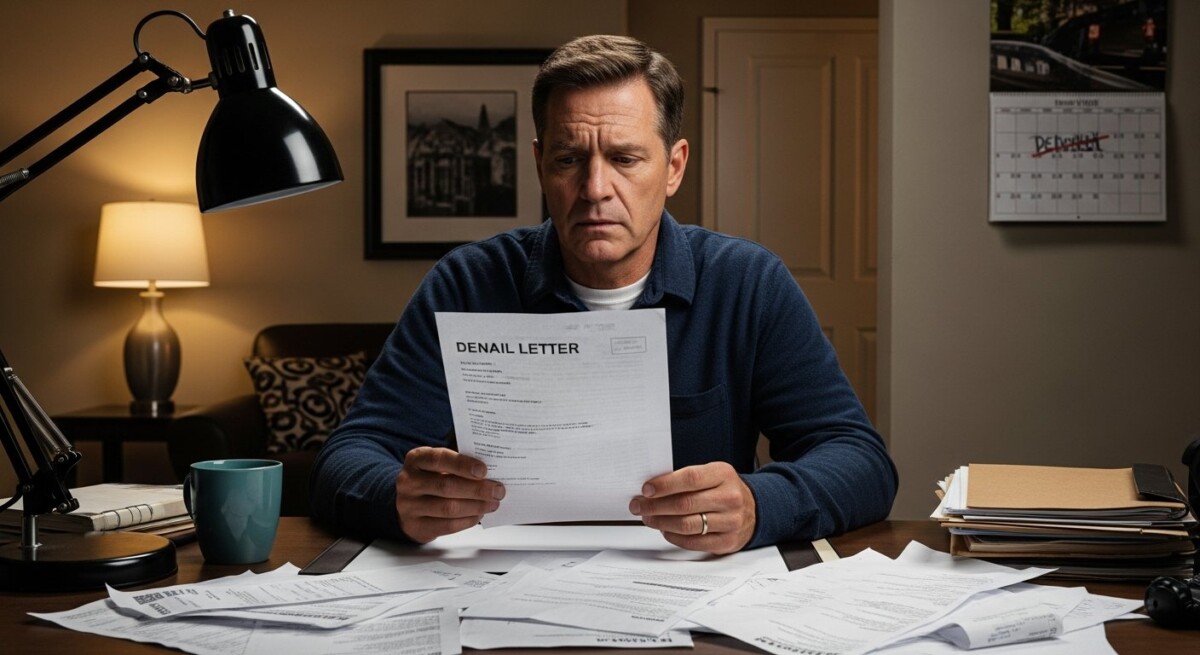
You file an insurance claim expecting coverage, but the denial letter arrives instead. Panic sets in. Medical bills pile up. Repairs wait. The question “what if insurance denies my claim” shifts from a hypothetical worry to a real crisis. You are not powerless, though. Insurance denials are common, and many are successfully overturned. Understanding the reasons behind a denial and knowing the steps to fight it can mean the difference between paying out of pocket and receiving the compensation you deserve. This guide walks you through exactly what to do when your claim is denied, how to appeal, and when to bring in legal help.
Common Reasons Insurance Companies Deny Claims
Insurance companies do not deny claims arbitrarily (though it can feel that way). They operate on strict policy language and internal guidelines. Knowing why they said no is the first step to crafting a response. The most frequent reasons include missed deadlines, incomplete paperwork, and policy exclusions. For example, if you filed a claim for a stolen laptop but your renters insurance only covers fire damage, the denial is based on a coverage gap. Other common causes are disputes over fault in accidents or questions about the timing of the loss. Our guide on the Motor Vehicle Accident Insurance Claim: What to Expect explains how fault determinations can affect payouts.
Another frequent issue is the insurance company’s claim that the damage or injury preexisted the policy period. They may also argue that you did not take reasonable steps to mitigate damages, for instance, by not repairing a leaking roof promptly. In some cases, the insurer simply believes the claim is fraudulent or exaggerated. Whatever the reason, the denial letter must state the specific policy provision or factual basis for the decision. Save that letter. It is your roadmap for an appeal.
The Immediate Steps After a Denial
Do not accept a denial as final. Most policies allow you to appeal internally. The clock starts ticking the moment you receive the letter, so act quickly. Here is a structured approach to take right away:
- Read the denial letter carefully. Identify the exact reason and any policy language cited. Highlight deadlines for appeal (often 30 to 60 days).
- Gather supporting documents. Collect photos, receipts, medical records, police reports, and witness statements that contradict the denial reason.
- Contact your insurance agent or adjuster. Ask clarifying questions. Sometimes a simple misunderstanding or missing document can be resolved informally.
- Request a copy of your entire claim file. You are entitled to it under most state laws. It may contain notes that reveal errors or bias.
- Write a formal appeal letter. Address each reason for denial with evidence. Keep it factual and professional. Attach copies (not originals) of supporting documents.
After submitting your appeal, follow up regularly. Keep a log of every phone call, including the date, time, and name of the person you spoke with. This paper trail can be critical if the denial escalates to litigation. Remember, the appeals process is your first chance to correct the record without hiring an attorney. Use it wisely.
How to Write a Strong Appeal Letter
A well-crafted appeal letter can reverse a denial without further legal action. Your letter should be concise and persuasive. Start by stating your policy number and claim number. Then restate the denial reason and explain why you believe it is incorrect. For example, if the insurer says your accident was not covered because you were driving for a rideshare service, provide evidence that you were off-duty at the time. Attach a screenshot of your app status and a signed statement from a passenger.
If your claim involves property damage, include repair estimates and photos. For medical claims, attach doctor’s notes and test results. If the denial is based on a missed deadline, explain the circumstances (e.g., hospitalization) and ask for a grace period. Close the letter by requesting a written response within a specific timeframe, such as 15 business days. Send the letter via certified mail with return receipt requested. This proves the insurer received it and starts the clock on their response.
When to Seek Legal Help
If your internal appeal is denied, or if the claim is large and the stakes are high, it is time to consider legal representation. Insurance companies have teams of lawyers and adjusters. You need someone who knows the tricks of the trade. An experienced attorney can review your policy, identify bad faith practices, and negotiate or litigate on your behalf. Bad faith occurs when an insurer unreasonably denies or delays payment without a valid basis. If proven, you may be entitled to damages beyond the original claim amount, including legal fees.
LegalCaseReview connects you with top attorneys who specialize in insurance disputes and personal injury law. Through our patented selection process, we match you with a lawyer who has a track record of success in cases similar to yours. Whether your denial stems from a car accident, house fire, or medical treatment, having a legal advocate levels the playing field. For a clearer picture of timelines and common pitfalls, read our article on the Motor Vehicle Accident Claim Process 2026: Avoid Mistakes and Save Time.
Special Situations: House Fires and Arson Claims
Denials for property claims often involve complex investigations. If your house burns down, the insurance company may suspect arson or question the cause. They might deny the claim based on an exclusion for intentional acts or for failure to maintain working smoke detectors. In these cases, the burden of proof can shift to you to show the fire was accidental. Document everything from the moment the fire is extinguished. Keep receipts for temporary housing, food, and clothing. Your policy’s loss of use coverage should reimburse these costs even if the main claim is disputed.
If the insurer accuses you of arson, you need a lawyer immediately. Arson allegations are serious and can lead to criminal charges in addition to claim denial. The article Arson House Claim: 5 Essential Steps to File Successfully provides a step-by-step approach for navigating these high-stakes situations. Similarly, if you are dealing with a standard fire loss, our resource on House Fire Insurance Claims: What to Claim and How can help you identify every recoverable item, from structural damage to personal belongings.
Alternatives to Litigation: Mediation and Arbitration
Going to court is expensive and time-consuming. Many insurance policies include alternative dispute resolution (ADR) clauses that require mediation or arbitration before a lawsuit. Mediation involves a neutral third party who helps both sides reach a settlement. It is non-binding, meaning you can still sue if the process fails. Arbitration is more formal. The arbitrator hears evidence and makes a binding decision. Some policies mandate arbitration for disputes under a certain dollar amount.
ADR can be faster and cheaper than litigation. However, you should still have an attorney present. The insurance company will have one, and the rules of evidence and procedure can be complex. An attorney can help you prepare your best case and argue for maximum compensation. If mediation succeeds, you get paid sooner. If it fails, you still have the option to file a lawsuit within the statute of limitations.
Frequently Asked Questions
How long does an insurance appeal take?
Most states require insurers to respond to an appeal within 30 to 60 days. Some expedite claims involving health emergencies or loss of essential services like heat or water. Check your denial letter for specific deadlines.
Can I file a new claim after a denial?
If the denial was based on a technical error like missing paperwork, you can often reopen the claim by providing the missing information. If the denial was based on a policy exclusion, a new claim for the same loss will likely be denied again. You need to address the underlying issue, either through an appeal or by challenging the exclusion.
What is bad faith insurance denial?
Bad faith occurs when an insurer knowingly denies a valid claim without reasonable basis, delays payment unreasonably, or fails to investigate properly. If you suspect bad faith, document all communications and consult an attorney. Punitive damages may be available in some states.
Do I need a lawyer for a denied claim?
Not every denial requires a lawyer. Simple disputes over paperwork or small amounts can often be resolved through the internal appeal process. However, if the claim is large, involves complex policy language, or the insurer is acting in bad faith, legal representation is strongly recommended.
Facing a denied insurance claim can feel overwhelming, but you have options. Start with the internal appeal. Gather evidence, write a clear letter, and follow up. If that fails, seek legal help. You do not have to accept an unfair denial. With persistence and the right support, many policyholders successfully overturn denials and recover the compensation they are owed. Contact LegalCaseReview today for a free consultation and case evaluation. Our network of experienced attorneys is ready to fight for you.