10 Warning Signs of a Bad Personal Injury Lawyer
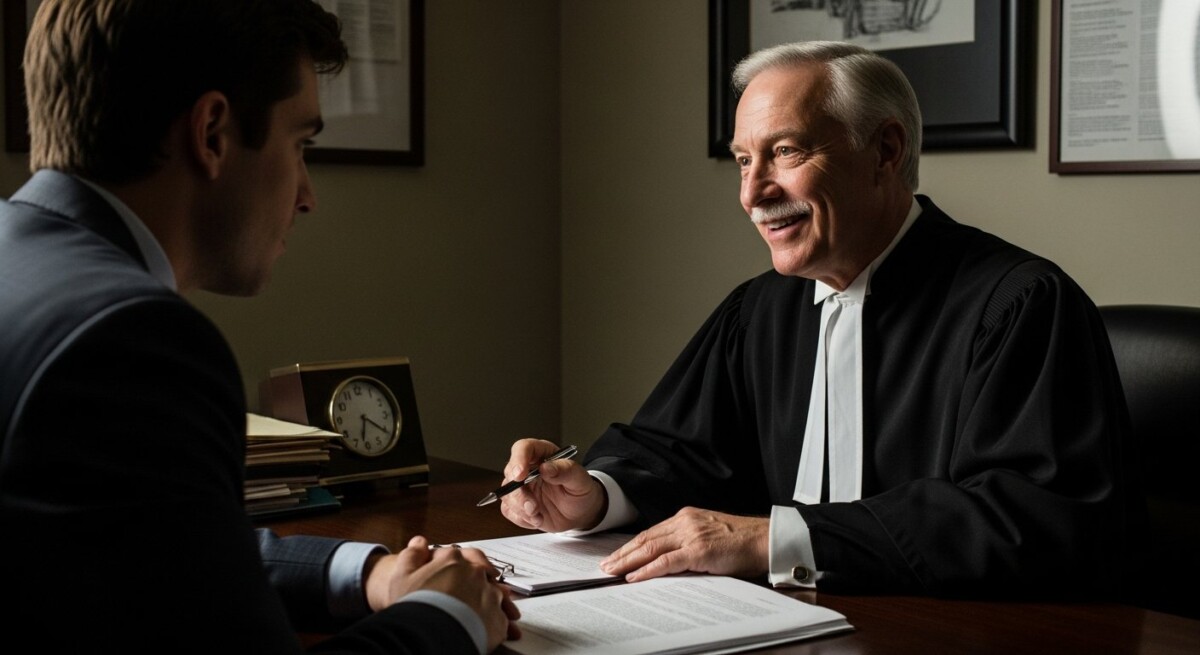
Choosing the right attorney after an accident can determine the outcome of your entire case. A skilled lawyer helps you navigate complex legal procedures, negotiate with insurance companies, and secure fair compensation for medical bills, lost wages, and pain and suffering. Unfortunately, not all attorneys deliver on these promises. Recognizing the warning signs of a bad personal injury lawyer early can save you from wasted time, added stress, and a settlement that falls far short of what you deserve. This article outlines the most critical red flags you must watch for before signing a retainer agreement.
They Pressure You to Sign Immediately
A trustworthy attorney understands that hiring legal representation is a significant decision. They give you time to review the contract, ask questions, and compare options. If a lawyer pushes you to sign papers on the spot, uses high-pressure tactics, or claims that the offer is only available for a limited time, consider that a major warning sign. Ethical attorneys want you to feel confident and informed about your choice. Rushing into a contract often means the lawyer prioritizes their own caseload over your best interests.
When you meet with a prospective lawyer, pay attention to how they handle your questions. Do they provide clear, detailed answers? Or do they deflect and insist that you sign first? A bad personal injury lawyer may try to lock you in before you have time to research their reputation or compare fees. Take control of the process. Ask for a copy of the agreement and tell them you need 24 hours to review it. If they react negatively, walk away.
They Lack Clear Communication
Communication is the backbone of a successful attorney-client relationship. From your first phone call, the lawyer should return messages promptly, explain legal terms in plain language, and keep you updated on case developments. One of the clearest signs of a bad personal injury lawyer is a pattern of missed calls, vague emails, or staff members who cannot answer basic questions about your case. When a lawyer ignores your inquiries, you risk missing critical deadlines or accepting a lowball offer without proper guidance.
Ask potential attorneys how they prefer to communicate and how quickly you can expect responses. A reputable firm will have systems in place to ensure clients receive timely updates. If the lawyer seems disorganized or dismissive during the initial consultation, expect those problems to worsen once they have your signed agreement. In our guide on how to find the best personal injury lawyer in Boston, we explain how communication standards separate top attorneys from the rest.
They Promise Specific Outcomes
No ethical attorney can guarantee a specific dollar amount or promise that your case will settle quickly. Every personal injury claim involves variables that no lawyer can fully control: insurance company tactics, medical evidence, witness cooperation, and jury perceptions. If a lawyer boasts that they can get you a six-figure settlement within weeks or claims they have never lost a case, run the other direction. These statements often signal inexperience or a willingness to mislead clients to secure business.
A skilled attorney will give you a realistic range of possible outcomes based on similar cases in your jurisdiction. They will explain the strengths and weaknesses of your claim without sugarcoating the challenges. Be wary of lawyers who sound more like salespeople than legal advisors. The best lawyers focus on building a strong case rather than making empty promises.
They Avoid Discussing Fees in Detail
Personal injury lawyers typically work on a contingency fee basis, meaning they only get paid if you win. While this arrangement protects clients from upfront costs, the details matter enormously. A bad personal injury lawyer may gloss over the fee structure, hide administrative costs, or fail to explain what percentage they will take from your settlement. Before hiring anyone, request a written fee agreement that spells out exactly what you owe under different scenarios.
Ask about additional expenses such as court filing fees, expert witness charges, medical record retrieval costs, and deposition expenses. Some lawyers deduct these costs from your settlement before calculating their percentage, while others subtract them afterward. These differences can significantly impact your final payout. A transparent attorney will walk you through every line item and encourage you to ask questions. If the lawyer becomes defensive or vague when you ask about money, consider it a red flag.
They Have a Poor Reputation or Disciplinary History
Your lawyer’s track record matters. Before hiring anyone, research their standing with your state bar association. Look for public disciplinary actions, malpractice claims, or complaints from former clients. A history of ethical violations is one of the most serious signs of a bad personal injury lawyer. You can also check online reviews on platforms like Avvo, Google, and Yelp. While a few negative reviews are normal, a pattern of complaints about dishonesty, neglect, or poor results should give you pause.
Do not rely solely on the lawyer’s own website testimonials. Seek out independent sources and ask for references from past clients with cases similar to yours. If the lawyer hesitates to provide references or becomes offended by your request, that response itself is a warning. Reputable attorneys understand that clients need to verify credentials and are happy to share their track record.
They Handle Too Many Cases at Once
Some personal injury firms accept far more cases than they can handle effectively. When a lawyer is overextended, your case may receive minimal attention. Deadlines get missed, evidence gets overlooked, and settlement negotiations become rushed. You may find that paralegals or junior associates handle most of the work while the named attorney barely knows your name. This lack of personal attention can seriously harm your chances of a fair outcome.
During your initial consultation, ask directly how many cases the lawyer currently manages and who will be your primary point of contact. A responsible attorney will have a manageable caseload and a clear system for delegating tasks without sacrificing quality. If the lawyer cannot give you a straight answer or seems distracted during your meeting, take that as a cue to keep looking. For those in Maryland, our resource on how to find the best personal injury lawyer in Annapolis covers what to ask about caseload management.
They Lack Trial Experience
Most personal injury cases settle out of court, but you need a lawyer who is prepared to go to trial if necessary. Insurance companies know which attorneys are willing to fight and which ones cave under pressure. A lawyer who has never tried a case or who avoids courtrooms at all costs will have less leverage during negotiations. Your settlement offer will likely be lower because the opposing side knows your lawyer will not push back.
Ask potential attorneys about their trial history. How many cases have they taken to verdict? What were the outcomes? Do they have experience with your specific type of injury or accident? A lawyer who cannot point to at least a few trial experiences may lack the skills needed to advocate effectively. Even if you hope to settle, your attorney should project confidence and competence in the courtroom. That reputation alone can improve your settlement offers.
They Outsource Your Case to Another Firm
Some lawyers sign clients and then quietly refer the case to another attorney or firm without informing you. This practice, sometimes called forwarding or referral farming, means the lawyer you hired may not handle any part of your case. You could end up with an attorney you never met and who knows little about your situation. Worse, you might pay a higher contingency fee because both firms take a cut.
Before signing, ask directly: Will you personally handle my case from start to finish? If the answer is no, find out who will be responsible and request a meeting with that person. A reputable firm will be upfront about their team structure and will introduce you to everyone involved. If the lawyer is evasive or says they might refer the case later, do not proceed. You deserve to choose your legal team, not have one assigned without your consent.
They Do Not Provide a Written Strategy
A good lawyer develops a clear plan for your case. They identify key evidence, outline discovery steps, estimate timelines, and discuss potential challenges. One of the subtle signs of a bad personal injury lawyer is an inability or unwillingness to put a strategy in writing. If your attorney cannot articulate how they intend to build your case, you may end up with a disorganized effort that misses opportunities.
During your consultation, ask for a summary of the next steps. What documents will they request? Who will they interview? How will they calculate damages? A competent lawyer should be able to lay out a logical sequence of actions. If they give you vague responses like “we will see what happens” or “trust me, I know what I am doing,” press for specifics. Your case is too important to leave to guesswork.
They Have Unprofessional Office Behavior
The physical environment and office culture can reveal a lot about a lawyer’s professionalism. Messy, disorganized offices, staff who seem unhappy or overwhelmed, and a general lack of respect for clients are all warning signs. If you visit the office and feel unwelcome or notice confidential documents sitting in plain view, those are red flags. A lawyer who cannot maintain a professional workspace may struggle to manage the details of your case.
Pay attention to how staff treats you during phone calls and in person. Are they courteous and helpful? Do they return your calls promptly? A bad personal injury lawyer often fosters a toxic work environment, which eventually affects client service. Trust your instincts. If something feels off about the office atmosphere, it probably is. Look for a firm that values organization, respect, and client comfort. For those in the Baltimore area, our article on how to find the best personal injury lawyer in Baltimore provides additional tips on evaluating office professionalism.
Frequently Asked Questions
What should I do if I already hired a bad personal injury lawyer?
You have the right to fire your attorney and hire a new one. Review your retainer agreement for termination clauses. The original lawyer may be entitled to a lien on your settlement for work already performed, but a new lawyer can negotiate that. Act quickly to avoid missing deadlines in your case.
How can I check a lawyer’s disciplinary history?
Visit your state bar association’s website. Most bar associations have a public search tool where you can look up attorneys by name and view any disciplinary actions, suspensions, or complaints. This research takes only a few minutes and can save you from serious problems.
What percentage do most personal injury lawyers charge?
Contingency fees typically range from 33% to 40% of the settlement amount. The percentage may increase if the case goes to trial. Always get the fee structure in writing and ask how costs and expenses are handled before signing.
Can I switch lawyers if my case is already in progress?
Yes, but the process requires careful coordination. Your new lawyer will need to file a substitution of counsel with the court. The old lawyer must transfer your file. Expect some delays, but a better lawyer is worth the temporary inconvenience. In Maine, our guide on how to find the best personal injury lawyer in Lewiston includes steps for switching attorneys.
How long do I have to file a personal injury lawsuit?
Each state has a statute of limitations for personal injury claims, usually between one and six years. Missing this deadline means you lose your right to sue. A competent lawyer will ensure all paperwork is filed on time. If your current lawyer seems unconcerned about deadlines, that is a serious red flag.
Protecting your legal rights starts with choosing the right advocate. Watch for these warning signs during your initial consultations. A bad personal injury lawyer can cost you not only money but also your peace of mind during an already difficult time. If you notice any of these red flags, do not hesitate to move on and find an attorney who respects your case, communicates clearly, and has the experience to fight for the compensation you deserve. Legal Case Review connects you with top-rated attorneys through a patented selection process, offering free consultations and case evaluations. Call us at 833-227-7919 to get started today.