Proving Pain and Suffering in Court: Essential Steps
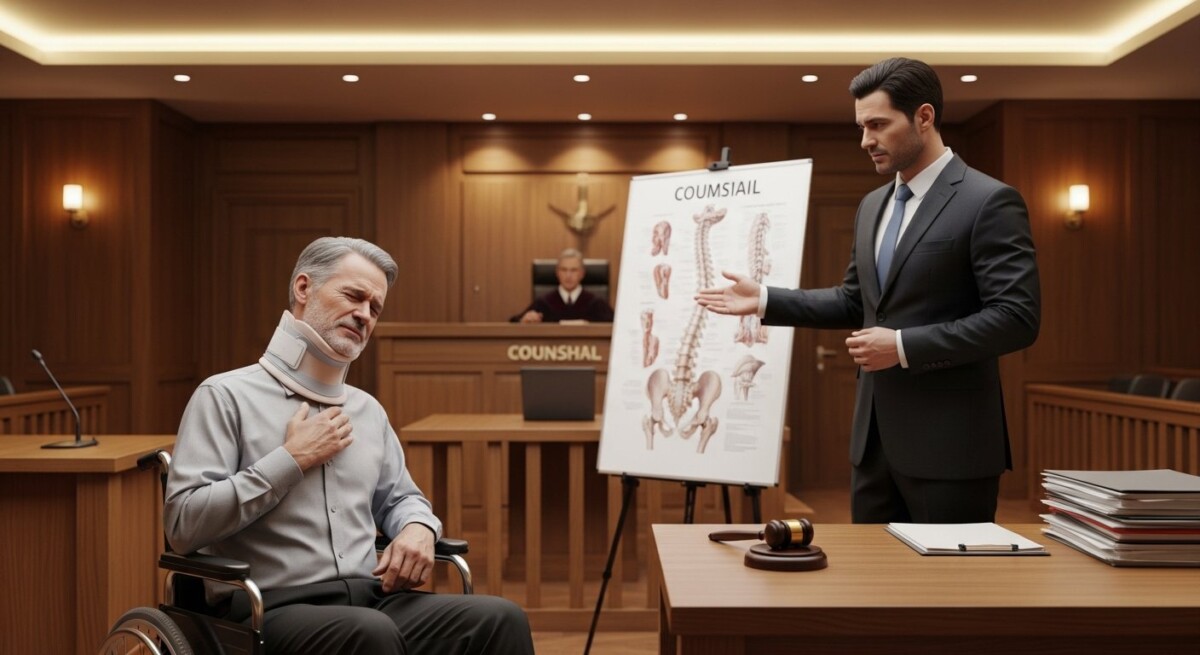
Pain and suffering damages often represent the largest portion of a personal injury award, yet proving them in court requires more than just describing your discomfort. Unlike medical bills or lost wages, these damages are non-economic and subjective. You must present clear, credible evidence that translates your physical and emotional hardship into a language the court understands. This guide walks you through the evidence, strategies, and pitfalls involved in proving pain and suffering in court.
Understanding Pain and Suffering in Legal Terms
In personal injury law, pain and suffering encompasses both physical pain and mental anguish resulting from an accident or injury. Physical pain includes chronic discomfort, limited mobility, and the inability to perform daily tasks. Mental anguish covers emotional distress, anxiety, depression, loss of enjoyment of life, and even the fear of future medical complications. Courts recognize these as legitimate damages, but they require proof that is specific, consistent, and corroborated by objective evidence.
To successfully prove pain and suffering, you must demonstrate a causal link between the defendant’s actions and your injuries. This means showing that your pain is a direct result of the accident and not pre-existing or unrelated. For example, if you suffered a herniated disc in a car crash, you need medical records that trace the onset of symptoms to the accident date. In our guide on fair settlement for pain and suffering, we explain how insurers evaluate these claims before trial.
Types of Evidence to Prove Pain and Suffering
Evidence is the cornerstone of any pain and suffering claim. The more comprehensive and compelling your evidence, the stronger your case. Below are the most effective forms of proof that attorneys use in court.
- Medical Records and Diagnostic Tests: Official records from doctors, hospitals, and imaging centers document the nature and severity of your injuries. MRI scans, X-rays, and surgical reports provide objective proof.
- Personal Pain Journals: Daily entries that describe your pain levels, emotional state, and how the injury affects your routine create a powerful narrative for the jury.
- Testimony from Family and Friends: Witnesses who observed your struggles can attest to changes in your personality, mood, or ability to participate in hobbies.
- Expert Witness Testimony: Medical experts, psychologists, and vocational specialists can explain the long-term impact of your injuries and quantify your suffering.
- Photographs and Video Evidence: Visual records of your injuries, physical therapy sessions, or even the accident scene help the jury grasp the severity.
Each piece of evidence builds a case that your pain is genuine and lasting. Combining several types of proof increases credibility. For instance, a pain journal paired with medical records showing consistent treatment creates a clear timeline of suffering.
Using a Pain and Suffering Diary
A pain diary is one of the most persuasive tools for proving pain and suffering in court. It provides a day-by-day account of your physical and emotional experience. To make it effective, record entries consistently and include specific details: the time of day, intensity of pain (using a 1,10 scale), activities that worsen or improve it, and the emotional impact. For example, note if you missed a child’s soccer game because of back spasms or if you cried due to frustration from limited mobility.
Your diary should also track medications, side effects, and visits to healthcare providers. This documentation shows the jury that your suffering is ongoing and not exaggerated. Be honest and avoid exaggerating; inconsistencies can undermine your credibility. If you are unsure how to start, speak with an attorney who can guide you on the level of detail needed. For more on this, read our article about how lawyers prove pain and suffering damages using practical documentation strategies.
The Role of Expert Witnesses
Expert witnesses add authority to your claim. A medical expert can testify that your injuries are consistent with the accident and that the resulting pain is likely permanent. A vocational expert can explain how your reduced capacity affects your earning potential. A psychologist or psychiatrist can diagnose conditions like post-traumatic stress disorder (PTSD) or depression and link them to the accident. This testimony is critical because it bridges the gap between subjective complaints and objective medical science.
When selecting an expert, choose someone with strong credentials and experience in personal injury litigation. The expert must be able to communicate complex concepts in a way a jury can understand. Their testimony should be backed by peer-reviewed research or clinical guidelines. For example, a neurologist explaining how a brain injury causes chronic headaches is more convincing than a general practitioner’s opinion. This is especially important in cases involving catastrophic injuries, such as those discussed in our post on suing for pain and suffering after a Miami car accident.
Calculating Pain and Suffering Damages
Courts and juries use two primary methods to calculate pain and suffering damages: the multiplier method and the per diem method. The multiplier method multiplies your total economic damages (medical bills, lost wages) by a number between 1.5 and 5, depending on the severity of the injury. The per diem method assigns a daily rate for your pain and multiplies it by the number of days you have suffered or will continue to suffer. Both approaches require strong evidence to justify the chosen multiplier or daily rate.
Insurance companies often try to minimize these calculations by arguing that your pain is minor or that you have fully recovered. To counter this, you need documented proof of ongoing treatment, permanent impairments, or reduced quality of life. Your attorney can help present this evidence in a way that resonates with a jury. If you are considering a claim in Florida, our guide on can I sue for pain and suffering after a Miami crash outlines the state-specific rules that may apply.
Common Mistakes to Avoid When Proving Pain and Suffering
Even with solid evidence, mistakes can sabotage your case. One common error is failing to seek immediate medical attention. A gap in treatment can lead the defense to argue that your injuries are minor or unrelated. Another mistake is missing medical appointments or not following your doctor’s recommendations. This suggests your pain is not as severe as claimed.
Additionally, avoid posting about your accident or injuries on social media. Defense attorneys often comb through Facebook, Instagram, and TikTok for photos or comments that contradict your claim of suffering. A picture of you smiling at a party could be used to argue that you are not truly distressed. Finally, do not exaggerate your symptoms. Juries are perceptive and may detect dishonesty, which can destroy your credibility entirely. Stick to the facts and let the evidence speak for itself.
Frequently Asked Questions
What is the best evidence for pain and suffering?
The best evidence combines medical records, a detailed pain diary, testimonies from family and friends, and expert witness reports. This multi-layered approach creates a comprehensive picture that is difficult to refute.
Can I prove pain and suffering without a lawyer?
While it is possible, it is not recommended. Personal injury law is complex, and insurance companies have teams of adjusters and attorneys. A skilled lawyer knows how to gather evidence, present it effectively, and negotiate for maximum compensation. Contact Legal Case Review for a free consultation at 833-227-7919 to discuss your case.
How long does it take to prove pain and suffering in court?
The timeline varies widely. Some cases settle in months, while others go to trial and take years. Factors include the severity of injuries, the strength of evidence, and the court’s schedule. Most pain and suffering claims are resolved through settlement before trial.
What if my pain is mostly emotional rather than physical?
Emotional pain is compensable. You will need testimony from a mental health professional and evidence of conditions like PTSD, anxiety, or depression. A pain diary documenting emotional struggles is also valuable.
Proving pain and suffering in court is challenging, but with the right evidence and legal support, you can present a compelling case. From medical records and personal diaries to expert witnesses and proper documentation, every piece of proof strengthens your claim. If you are ready to pursue compensation, call us at 833-227-7919 for a free case evaluation. Our team at Legal Case Review can connect you with experienced attorneys who understand how to maximize your recovery.