What If a Friend Was Driving My Car Accident Claim? Legal Guide
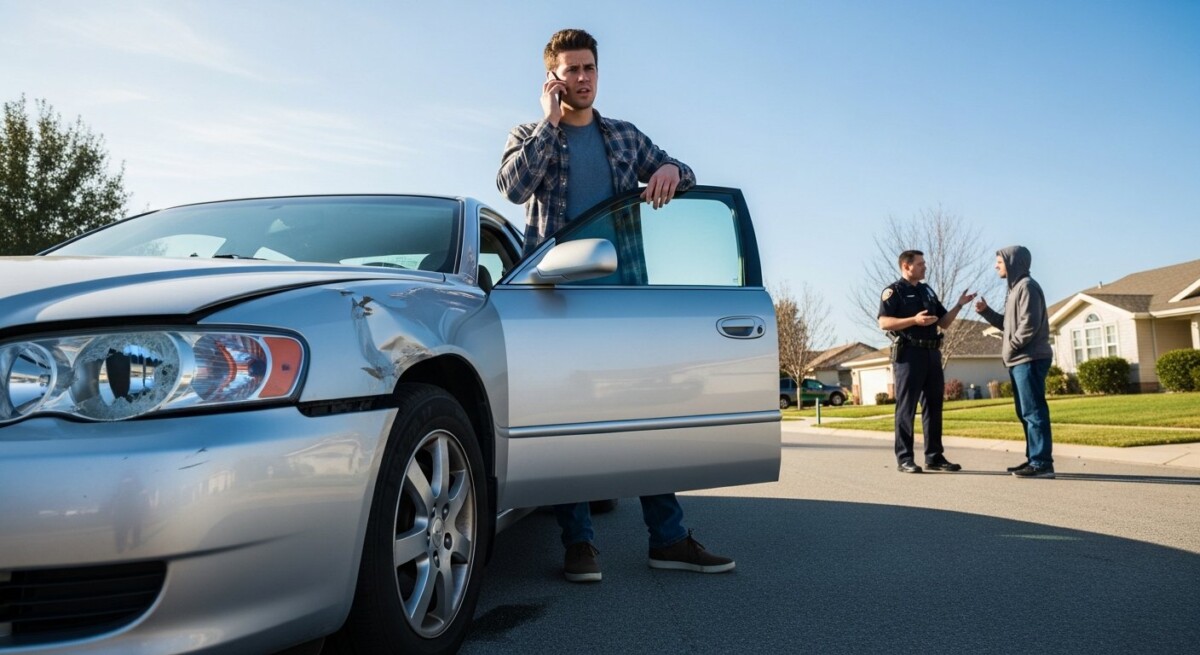
You hand your keys to a friend for a quick errand. Minutes later, your phone buzzes with news that they have been in a crash. Your first thought is relief that they are okay. Your second thought is a knot in your stomach: what if friend was driving my car accident claim? The answer is not as simple as you might hope, because multiple layers of insurance, liability, and state law come into play. This guide walks you through the steps to protect your rights, your finances, and your friendship, while showing you how to navigate the claims process with confidence.
Who Pays When a Friend Drives Your Car?
In most states, insurance follows the car, not the driver. That means your auto insurance policy is the primary coverage for any accident involving your vehicle, even if someone else was behind the wheel. This principle, often called permissive use, applies when you gave the friend explicit or implied permission to drive. Your policy will typically cover bodily injury and property damage up to your chosen limits, just as if you were driving yourself.
However, there are important exceptions. If your friend lives in your household and is not listed on your policy, many insurers exclude coverage for household members. If your friend regularly uses your car but is not named as a driver, the insurer may deny the claim entirely. Also, if your friend was driving for a business purpose, such as making deliveries, your personal policy may not apply, and the friend’s commercial coverage or the employer’s policy would take over.
When your policy limits are exhausted, your friend’s own auto insurance can step in as secondary coverage. This is called excess liability. If your friend has no insurance or insufficient limits, you could be personally responsible for damages beyond what your policy pays. This is why it is critical to know your coverage details before you lend your car.
What If a Friend Was Driving My Car Accident Claim and They Were at Fault?
If the accident was your friend’s fault, the injured party will typically file a claim against your insurance policy first. Your insurer will then investigate, and if they accept liability, they will pay the other driver’s medical bills, vehicle repairs, and other damages up to your policy limits. You might worry that your premiums will skyrocket, and in many cases they will, because the claim is tied to your policy, not your driving record.
Your insurer may also seek reimbursement from your friend’s insurance if the damages exceed your limits. This process is called subrogation. Your insurer pays the claim, then pursues your friend’s insurer to recover the amount paid. If your friend is uninsured or underinsured, you could be left with a gap. In that scenario, you might need to file a lawsuit against your friend personally to recover the shortfall, which can strain the relationship.
To protect yourself, consider adding uninsured/underinsured motorist coverage and higher liability limits. These add-ons cost a little each month but can save you from financial ruin. As noted in our guide on average compensation for car accidents, settlement amounts vary widely based on injury severity, and having adequate coverage is your first line of defense.
Steps to Take Immediately After a Friend Crashes Your Car
Your actions in the minutes and hours after the accident can significantly affect your claim. Follow these steps to document everything and protect your legal position:
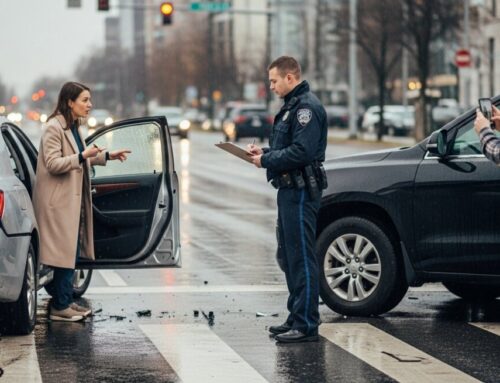
- Ensure safety and call the police: Have everyone move to a safe area, call 911, and request a police report. The report will note who was driving, which is crucial for your claim.
- Exchange information: Your friend should share their license, registration, and insurance details with the other driver. You should also collect the other driver’s information.
- Take photos: Photograph the damage, the license plates, the surrounding area, and any visible injuries. These images serve as evidence later.
- Notify your insurance company: Report the accident promptly, even if your friend wants to handle it. Delaying notification can give the insurer a reason to deny coverage.
- Document your friend’s account: Write down everything your friend tells you about the accident while it is fresh. Their memory may fade or change, and having a written record helps.
- Contact a lawyer: If injuries are serious or the insurer is difficult, consult an attorney who handles car accident claims.
After these steps, you should also consider whether your friend needs medical attention, even if they feel fine. Some injuries, like whiplash, appear days later. If your friend seeks treatment, keep copies of all medical records and bills, as they will be part of the claim.
How Insurance Companies Handle Permissive Use
Permissive use is a standard provision in most auto policies, but insurers scrutinize it carefully. They will ask whether you gave explicit permission or whether the friend had implied permission, such as having a spare key or using the car regularly. If the insurer believes the friend was not authorized, they can deny the claim, leaving you and your friend personally liable.
To avoid this, be clear with your friend about the scope of permission. For example, if you lend your car for a grocery run, but your friend drives to another state, the insurer might argue that was outside the permission granted. Courts have ruled on such cases, and the outcome depends on state law and the specific facts.
Your insurance policy also defines who is a covered driver. Typically, it includes you, your family members, and any person using your car with permission. But some policies exclude drivers who are not listed, especially if they are young or have a poor driving record. Read your policy declarations page to understand your coverage, and if you are unsure, call your agent before lending your car.
What If Your Friend Is Uninsured?
If your friend has no insurance, your policy will still cover the accident if you have uninsured motorist coverage. This coverage protects you when the at-fault driver lacks insurance, and in some states, it extends to permissive drivers. However, uninsured motorist coverage is not mandatory everywhere, and you may have declined it to save money.
Without it, you might have to pay for your own medical bills and vehicle repairs if your friend cannot. You could also face a lawsuit from the other driver, who may seek compensation directly from you as the vehicle owner. To mitigate this risk, always carry uninsured motorist coverage and consider umbrella insurance, which provides extra liability protection beyond your auto policy limits.
If you do not have this coverage, your options are limited. You can try to negotiate a payment plan with the injured party or their insurer, but a lawsuit is possible. This is why many legal experts recommend carrying at least $100,000 in uninsured motorist coverage per person, as explained in our article on non-injury accident settlements.
How to Protect Your Friendship and Your Finances
An accident involving a friend can strain the relationship, especially if money is at stake. To protect both, communicate openly and honestly. Your friend should cooperate fully with the insurance investigation, provide a statement, and share any relevant documents. If you need to file a claim against their policy, be transparent about that step.
You might also consider a repayment agreement. If your insurance premiums increase, you can ask your friend to cover the difference. If your policy pays damages and your friend is at fault, you can ask them to reimburse your deductible. These conversations are uncomfortable, but they are better than silent resentment.
If the accident leads to a lawsuit, you and your friend may have conflicting interests. Your insurer will likely provide a lawyer for you, but your friend might need their own representation. In such cases, it is wise to discuss with an attorney how to coordinate defenses without harming your respective positions.
When You Might Need a Lawyer for a Friend-At-Fault Accident
Not every claim requires a lawyer, but you should consider legal help if the accident involves serious injuries, a dispute over fault, or a lowball settlement offer from the insurer. An attorney can negotiate with the insurance company, gather evidence, and ensure you receive fair compensation. They can also advise on whether to pursue a claim against your friend’s personal assets.
For example, if the other driver’s injuries require extensive medical care, your policy limits may not be enough. The injured party could sue you and your friend for the full amount. A lawyer can help you navigate this complex situation, possibly by structuring a settlement that protects your assets.
Legal representation is especially valuable if the insurer denies coverage based on a technicality, such as claiming your friend was not a permissive user. An attorney can challenge that decision and file a lawsuit against the insurer if necessary. As you weigh your options, remember that finding the right car accident attorney can make a significant difference in the outcome of your case.
State Laws That Affect Claims When a Friend Drives
State laws vary on issues like no-fault insurance, comparative negligence, and owner liability. In no-fault states, your own insurance pays your medical bills regardless of who caused the accident, which can simplify claims. In fault states, the at-fault driver’s insurance is responsible, and you may need to prove negligence.
Some states impose owner liability, meaning you are responsible for damages caused by anyone who drives your car with your permission. Others have a family purpose doctrine, which holds you liable for family members who drive your car. Understanding your state’s rules is crucial, as they affect who can be sued and what coverage applies.
If you live in a state with comparative negligence, the compensation you receive is reduced by your percentage of fault. For instance, if your friend was 30% at fault and the other driver was 70%, the other driver’s insurer might argue you are partially responsible for allowing your friend to drive. A lawyer can help you counter such arguments, as detailed in our guide on car accident lawyers for spinal injuries.
Frequently Asked Questions
What if a friend was driving my car accident claim and they did not have my permission?
If your friend took your car without permission, your policy may not cover the accident. This is considered a non-permissive use, and insurers often deny claims in such cases. You could be held liable under state law if you left the keys accessible, but you may also be able to pursue a claim against your friend personally.
Will my insurance rates go up if my friend caused an accident in my car?
In most cases, yes. Because the claim is filed under your policy, insurers view you as a higher risk, even though you were not driving. Rate increases vary by insurer and state, but you can expect a premium hike at your next renewal.
Can I be sued if my friend caused an accident in my car?
Yes. As the vehicle owner, you can be named in a lawsuit, especially if your policy limits are insufficient. Your insurer will defend you within the policy limits, but you may need personal legal representation if the claim exceeds those limits.
What should I do if my friend refuses to cooperate with the insurance claim?
Notify your insurer immediately. They may handle the lack of cooperation by denying coverage or by pursuing your friend directly. If your friend refuses to provide a statement, you might need to consider legal action against them to protect your interests.
Final Thoughts on Friend-Involved Car Accident Claims
Having a friend drive your car is a common act of trust, but an accident can turn that trust into a legal and financial challenge. The key is to know your insurance policy, document everything, and act quickly. If the claim is complex, consult an attorney who can guide you through the process and advocate for your best interests.
Remember, your friendship is valuable, but so is your financial security. Approach the situation with honesty and a willingness to cooperate, and you can navigate the aftermath of the accident with clarity. For more resources on accident claims and legal help, explore the guides available on LegalCaseReview, and do not hesitate to reach out for a free consultation if you need personalized advice.