Rental Car Accident Guide: What to Do If It Happens
Imagine you are driving a rental car, maybe on a business trip or a family vacation, and suddenly another vehicle hits you. Your heart races, and a flood of questions follows: What if accident happens in rental car? Will my insurance cover this? Will the rental company charge me a fortune? The uncertainty can feel overwhelming, but knowing exactly what to do can protect your finances and your peace of mind. This guide walks you through every step you need to take after a rental car accident, from the immediate aftermath to dealing with insurance companies and potential legal claims.
Immediate Steps After the Collision
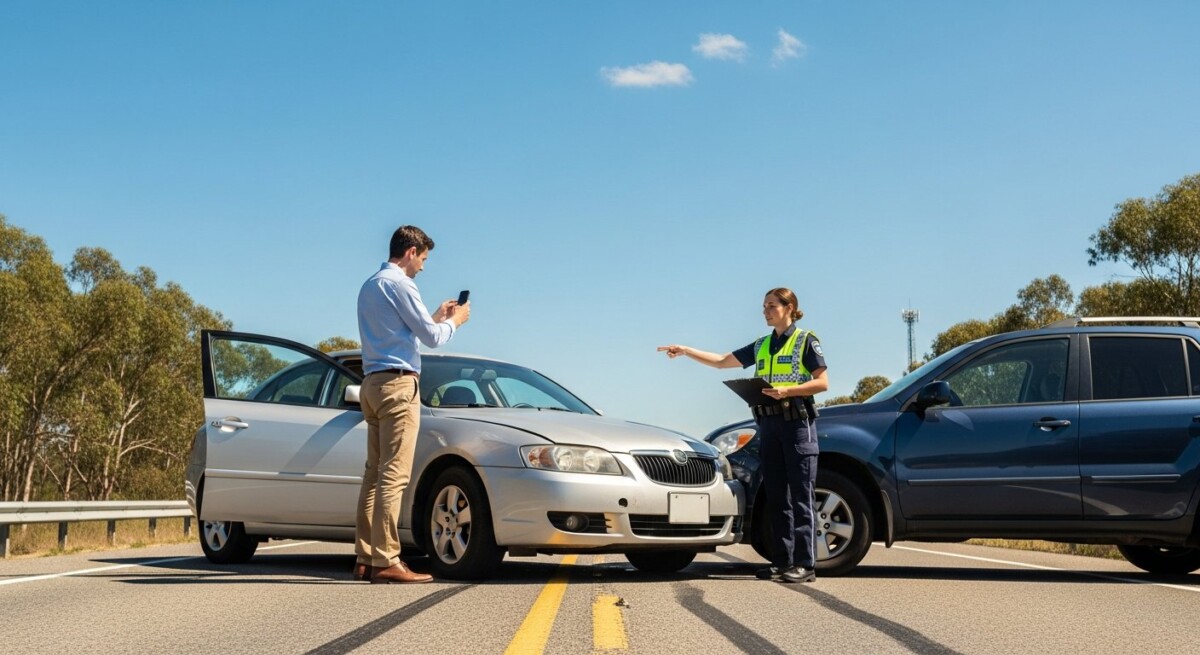
The moments right after an accident are critical. Your safety and the safety of others come first. Move to a safe location if possible, turn on your hazard lights, and check for injuries. If anyone is hurt, call 911 immediately. Even for minor fender benders, it is wise to involve the police, especially because a police report provides an official record that insurance companies and rental agencies rely on.
Once the police are on the scene, exchange information with the other driver. This includes names, phone numbers, driver’s license numbers, license plate numbers, insurance company names, and policy numbers. Do not discuss fault or apologize, as anything you say can be used against you later. Instead, focus on gathering facts and documenting the scene.
Take photos and videos of the damage to both vehicles, the surrounding area, traffic signs, and any visible injuries. These visual records are invaluable when you file a claim. Also, note the time, date, weather conditions, and any witnesses. If there are witnesses, ask for their contact information.
Understanding Your Rental Agreement and Insurance Coverage
Your rental agreement is a contract that outlines your financial responsibilities. It typically includes a collision damage waiver (CDW) or loss damage waiver (LDW), which can relieve you of liability for damage to the rental car. However, this waiver is optional and often costs extra. If you declined it, you may be personally responsible for the vehicle’s repair costs, loss of use, and administrative fees.
Before the accident, it is helpful to know what coverage you have. Here are the main sources of protection:
- Your personal auto insurance: It may extend to rental cars, covering liability, collision, and comprehensive damage, depending on your policy.
- Credit card benefits: Many premium credit cards offer rental car collision coverage when you use the card to pay for the rental. This is usually secondary coverage, meaning it kicks in after your personal insurance.
- The rental company’s CDW/LDW: This waives your financial responsibility for damage to the rental vehicle, but it does not cover injuries or damage to other vehicles.
- Non-owner car insurance: If you do not own a car, you may have a non-owner policy that provides liability coverage, and possibly collision coverage for rentals.
After the accident, contact your insurance agent and the rental company as soon as possible. Report the incident, provide the police report number, and ask about the claims process. Be honest and provide all requested information, but avoid making statements about fault to the other party’s insurer.
Who Pays for What: Liability and Damage
Determining who pays for the damage depends on fault. If the other driver caused the accident, their liability insurance should cover the damage to your rental car and any medical expenses. However, if you are at fault, your own insurance or the rental company’s CDW will cover the damage, subject to your policy limits and deductibles.
In some states, no-fault insurance laws apply, which means each party’s insurance pays for their own medical bills regardless of fault. Property damage is generally handled through fault-based liability. This is why having comprehensive coverage is crucial. Without it, you could be sued for the full value of the rental car, which can be tens of thousands of dollars.
If the rental company asserts that you are liable for damage, they may charge your credit card for repairs, loss of use, and administrative fees. To challenge these charges, you need strong evidence, such as the police report, photos, and a statement from your insurance company. If you cannot resolve the dispute, you may need legal assistance.
When to Hire a Personal Injury Attorney
If you are injured in a rental car accident, you may be entitled to compensation for medical bills, lost wages, pain and suffering, and other damages. Negotiating with insurance companies can be complex, especially when multiple parties are involved. An experienced personal injury attorney can protect your rights and maximize your recovery.
LegalCaseReview connects you with top attorneys through a patented selection process. Their free consultation and case evaluation can help you understand your options. Whether you are dealing with a minor injury or a serious long-term condition, having a lawyer who knows rental car accident laws can make a significant difference.
Consider hiring an attorney if:
- The accident involved serious injuries or hospitalization.
- The insurance company is offering a low settlement or denying your claim.
- Fault is disputed or unclear.
- You are facing a lawsuit from the other driver or the rental company.
- You are unsure about the coverage limits and the legal process.
Filing a Claim: Step-by-Step Process
Filing a claim after a rental car accident follows a structured process. First, notify the rental company and your insurance provider immediately. Then, file a claim with the at-fault driver’s insurance if applicable. Provide all necessary documentation, including the police report, photos, and medical records if you were injured.
Keep a detailed record of all communication with insurance adjusters, including names, dates, and summaries of conversations. This helps if there are disputes later. If the claim is denied or the settlement is insufficient, your attorney can negotiate or file a lawsuit.
It is also important to understand the statute of limitations in your state. This is the deadline for filing a personal injury lawsuit. Missing this deadline can bar you from recovering any compensation. An attorney can ensure you meet all legal deadlines.
Common Mistakes to Avoid After a Rental Car Accident
Many people make mistakes that jeopardize their claims. One common error is not documenting the accident scene thoroughly. Another is admitting fault, even if you think you caused the accident. Insurance companies can use your statements against you.
Avoid signing any documents from the rental company without first consulting your insurance company or attorney. Rental agreements often contain clauses that waive your rights or require you to pay for damages immediately. Do not accept a settlement offer without understanding the full extent of your injuries and damages.
Also, do not delay seeking medical attention. Even if you feel fine, some injuries, like whiplash, may not appear for days. A medical record creates a link between the accident and your injuries, which is essential for a claim. Finally, do not handle the situation alone if it is complex. Legal guidance can prevent costly errors.
Frequently Asked Questions
What if accident happens in rental car and I didn’t purchase CDW?
If you declined the collision damage waiver, you may be personally liable for the rental car’s damage. However, your personal auto insurance or credit card coverage may step in. Check your policies and contact your insurer immediately. If you lack coverage, you may have to pay out of pocket, which can be expensive.
Can I be sued for an accident in a rental car?
Yes, if you are at fault for the accident, the other driver or the rental company can sue you for damages. Your liability insurance, whether from your own policy or the rental company, may cover legal defense and judgments up to your policy limits. Without insurance, you could face personal financial exposure.
Does my credit card cover rental car accident damage?
Many credit cards offer secondary rental car collision coverage if you use the card to pay for the rental and decline the rental company’s CDW. This coverage typically reimburses you for repair costs, towing, and loss of use, but it does not cover injuries or damage to other vehicles. Verify your card’s benefits before relying on them.
What should I do if the rental company charges me for damage I didn’t cause?
Dispute the charge in writing with the rental company, providing evidence such as photos, the police report, and witness statements. Contact your credit card company to dispute the charge if necessary. If the dispute remains unresolved, consult an attorney who can review your rental agreement and help you fight the charge.
Final Thoughts
Dealing with a rental car accident can be stressful, but you do not have to face it alone. By following the steps outlined above, you can protect your rights and minimize financial damage. If you are injured or facing a complex legal situation, seeking professional help is wise. LegalCaseReview can connect you with experienced attorneys who specialize in personal injury and auto accidents. Their free consultation can help you understand your options and pursue the compensation you deserve. Remember, the key is to act quickly, document everything, and consult experts when needed. Your safety and financial well-being are paramount.