How Juries Calculate Car Accident Compensation Payouts
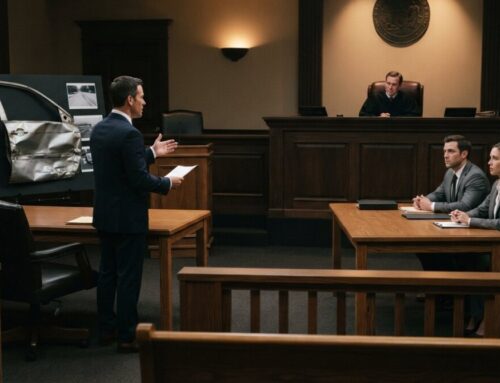
When a car accident case reaches trial, the decision about your financial future shifts from insurance adjusters to a jury of your peers. Many injury victims assume that a judge or formula dictates the final number, but the reality is far more nuanced. Understanding how jury decides car accident compensation can help you prepare for trial, set realistic expectations, and recognize what evidence truly matters when your fate is in the hands of twelve citizens.
Jurors do not have a magic calculator. Instead, they listen to testimony, review medical records, and weigh arguments from both attorneys before arriving at a single dollar figure. This process feels unpredictable, but it follows recognizable patterns. By learning these patterns, you can work with your attorney to present a compelling case that resonates with the jury’s sense of fairness and logic.
The Core Framework: Compensatory Damages
Juries begin their deliberation by focusing on compensatory damages, which are designed to make the injured person whole again. This category splits into two main parts: economic and non-economic damages. Economic damages cover tangible, calculable losses like medical bills, lost wages, and future rehabilitation costs. Non-economic damages cover intangible losses such as pain, suffering, loss of enjoyment of life, and emotional distress.
In most states, the judge instructs the jury to consider both categories separately. The jury then assigns a specific dollar amount to each item. For example, they might award $45,000 for past medical expenses, $30,000 for lost income, and $75,000 for pain and suffering. The total becomes the base compensation. However, the jury rarely sees a complete list of your bills. Your attorney must introduce evidence through witnesses and exhibits to build a clear financial picture.
One common misconception is that juries simply add up your receipts. In reality, they evaluate the reasonableness of each charge. They might question whether an MRI was medically necessary or whether you waited too long to seek treatment. This is why consistent documentation and expert testimony matter so much during a trial.
How Jurors Determine Pain and Suffering
Pain and suffering is often the largest portion of a verdict, yet it is the hardest to calculate. Jurors receive no formula for this category. Instead, they rely on their own life experiences and the emotional weight of your testimony. They ask themselves: How much would I need to be paid to endure what this person endured? This subjective question leads to wildly different answers depending on the jury composition.
Attorneys use several strategies to help jurors assign a reasonable number. One common approach is the per diem method, where the lawyer suggests a daily rate (like $200 per day) multiplied by the number of days since the accident. Another approach is the multiplier method, where economic damages are multiplied by a factor between 1.5 and 5, based on injury severity. While attorneys present these frameworks, the jury is not bound by them. They can ignore the suggestions entirely or blend them with their own intuition.
To maximize pain and suffering awards, your lawyer will likely present day-in-the-life videos, personal journal entries, and testimony from family members. These items humanize your struggle and move jurors beyond the sterile medical charts. A jury that feels emotional connection is far more likely to award a generous amount for intangible losses.
Factors That Push Awards Higher or Lower
Jurors are not blank slates. They bring biases, skepticism, and personal views about lawsuits. Several factors consistently influence their willingness to award large sums:
- Injury permanence: Permanent disabilities, scarring, or chronic pain increase awards significantly.
- Clarity of fault: If the defendant was clearly negligent (e.g., drunk driving), juries are more punitive in their compensation.
- Plaintiff credibility: Jurors quickly spot exaggeration. Honest, consistent testimony earns trust, while inflated claims reduce credibility.
- Quality of medical experts: A well-spoken, board-certified physician who explains complex injuries clearly can sway the entire verdict.
- The defendant’s behavior: Evidence of reckless conduct, such as texting while driving, can increase non-economic damages.
After the jury sets a base award, the judge may apply legal adjustments. In some states, comparative fault rules reduce your award if you share any blame for the crash. For example, if the jury says you were 20% at fault, your $100,000 verdict drops to $80,000. This is a legal calculation done by the judge, not the jury, but it directly affects the final check you receive.
The Role of Punitive Damages
Compensatory damages aim to restore you, but punitive damages aim to punish the wrongdoer and deter future misconduct. Juries only award punitive damages in cases involving extreme recklessness, malice, or intentional harm. Examples include drunk driving with a high blood alcohol level, street racing, or a commercial driver who falsified logbooks to avoid rest breaks.
Punitive damages are rare in routine car accident cases. When they do appear, they can be substantial. The U.S. Supreme Court has ruled that punitive damages generally should not exceed a single-digit ratio to compensatory damages (usually 4:1 or less). So, if your compensatory award is $200,000, punitive damages might range from $200,000 to $800,000, depending on state law and the egregiousness of the conduct.
Your attorney will likely request punitive damages in the initial complaint, but the judge decides whether the evidence supports sending that question to the jury. If the judge allows it, the jury hears additional evidence about the defendant’s financial status and prior bad acts. This phase feels like a second mini-trial, and it can dramatically change the outcome.
How the Verdict Process Actually Works
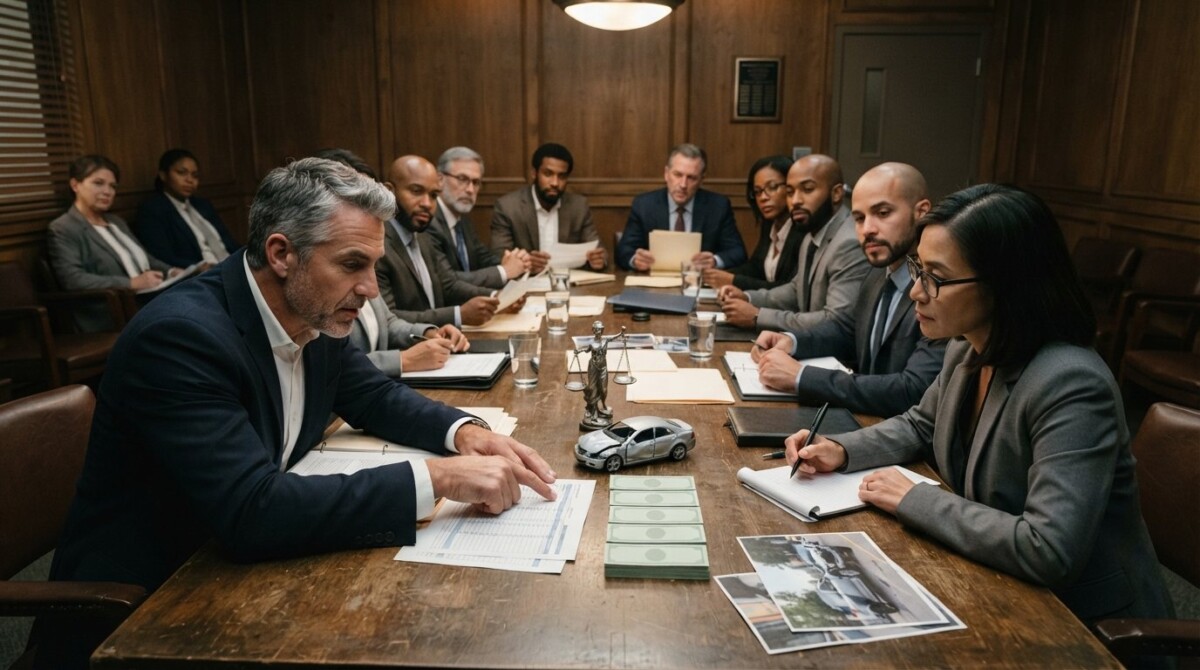
Once closing arguments finish, the jury retires to a private room. They elect a foreperson, then review the jury instructions provided by the judge. These instructions include the legal definition of negligence, the standard of proof (preponderance of the evidence), and a verdict form with blank lines for each damage category.
The deliberation process varies. Some juries start by arguing over liability before discussing money. Others jump straight to the dollar amounts. A strong foreperson keeps the group organized, but a dominant personality can sometimes steer the discussion. If the jury cannot reach a unanimous decision, the judge may declare a mistrial, forcing the parties to re-try the case or settle.
During deliberations, jurors often ask to review specific exhibits. They may re-watch video depositions or re-read medical reports. This is why clear, visual evidence is essential. A complex medical chart that no one can understand will not help your case, but a simple timeline animation or a color-coded spreadsheet of expenses can make your losses tangible.
Preparing for Trial: What Your Attorney Does
Winning a jury verdict requires more than just a compelling story. Your attorney must translate your injuries into a language that resonates with people who have no medical or legal training. This process starts months before trial with jury selection, known as voir dire. Attorneys ask potential jurors about their attitudes toward lawsuits, insurance companies, and physical disability. They use these answers to strike biased individuals and keep those who seem sympathetic.
Next, your attorney prepares a trial strategy that sequences witnesses for maximum impact. Typically, the plaintiff goes first, followed by treating physicians, expert economists, and family members. The defense then presents its own witnesses, which may include accident reconstructionists and independent medical examiners. Your lawyer must anticipate these attacks and prepare you for cross-examination.
If you are seeking compensation in a specific region, local legal expertise matters. For instance, in our guide on top Detroit personal injury lawyers, we explain how local court preferences can influence strategy. Similarly, understanding state-specific rules is critical. Our article on auto accident compensation in Jacksonville highlights how Florida’s no-fault laws interact with jury trials. These nuances can make or break your case.
Key Evidence That Sways Jurors
Jurors are visual and narrative learners. They remember stories better than statistics. The strongest evidence combines both elements:
- Photographs of the accident scene taken immediately after impact, showing vehicle damage and skid marks.
- Medical imaging (MRI, CT scans) that objectively shows torn ligaments, herniated discs, or fractures.
- Lay witness testimony from coworkers or neighbors who can describe your limitations before and after the crash.
- Financial documentation including pay stubs, tax returns, and a ledger of out-of-pocket expenses.
- Expert economist testimony that projects future lost earning capacity and lifetime medical care costs.
Each piece of evidence must pass the rules of admissibility. Your attorney will file motions in limine to exclude prejudicial information, such as your prior injuries or social media posts that show you dancing at a wedding. The defense will try to introduce those same items to reduce your credibility. This legal sparring happens before the jury ever enters the courtroom.
Post-Verdict Reality: Appeals and Collections
A jury verdict is not the end of the road. The losing side can file post-trial motions, seeking a new trial or a reduction in damages (called remittitur). If the judge believes the award is shockingly excessive, they can lower it. Conversely, if the award is too low, the plaintiff can request additur, though this is less common.
After the verdict becomes final, the defendant has 30 days to appeal. Appeals can stretch on for years. If the defendant is an insurance company with deep pockets, they may appeal simply to pressure you into accepting a lower settlement. Your attorney must be prepared for this battle, which requires a strong trial record and a clear legal argument for why the verdict should stand.
Collecting the judgment is another hurdle. If the at-fault driver has minimal insurance and no personal assets, your verdict may be uncollectible. This is why experienced attorneys always investigate available coverage before trial. They might also pursue claims against other parties, such as the driver’s employer or a government entity responsible for road maintenance. For a broader view of how these strategies play out in different contexts, see our piece on bicycle accident compensation in Portland, which covers similar collection issues for vulnerable road users.
Frequently Asked Questions
How long does a jury deliberation take in a car accident case?
Deliberations can last anywhere from a few hours to several weeks. Simple cases with clear liability often resolve in a day. Complex cases involving multiple defendants or severe injuries may take a week or more. The judge does not impose a time limit, but extended deliberations usually indicate a hung jury or a very contentious dispute over damages.
Can the judge override a jury’s compensation amount?
Yes. The judge can grant a motion for remittitur, which reduces the award if it is clearly excessive. The judge can also order a new trial if procedural errors occurred. However, judges rarely overturn jury verdicts entirely. They typically defer to the jury’s factual findings unless the award shocks the judicial conscience.
What if the jury finds me partially at fault?
In most states, your award is reduced by your percentage of fault. For example, if you were texting at a red light and the other driver ran a stop sign, the jury might find you 10% at fault. A $100,000 verdict becomes $90,000. In a few states with pure comparative fault, you can recover even if you are 99% at fault. In contributory negligence states (like Virginia), any fault at all bars recovery.
Do juries know about insurance limits?
Typically, no. Evidence of insurance policy limits is usually inadmissible because it prejudices the jury. Jurors are told to award the full amount of damages without considering who pays. However, in some states, if the defendant is a corporation or government entity, the jury may be informed of statutory damages caps.
How a Strong Attorney Shapes the Outcome
The difference between a modest settlement and a life-changing verdict often comes down to trial preparation. A skilled lawyer knows how to present medical evidence without confusing the jury, how to cross-examine defense experts, and how to craft a closing argument that feels like a conversation rather than a lecture. They also know when to settle before trial if the defendant offers a fair number.
If you are considering trial, you need a legal team that has actually tried cases to verdict, not just settled them. Many personal injury firms advertise heavily but shy away from the courtroom because trials are expensive and risky. Ask your attorney about their recent verdicts and their comfort level with voir dire and jury selection. For more insights into what local counsel can offer, read our analysis of hiring a lawyer for auto accident compensation in Jacksonville to see how regional experience influences trial tactics.
Ultimately, the jury system places immense power in the hands of ordinary citizens. They are instructed to follow the law, but they are also human. They respond to honesty, clarity, and genuine suffering. The best way to influence how jury decides car accident compensation is to present your case with transparency and emotional truth, supported by rock-solid evidence.
Before you step into that courtroom, take a hard look at your own story. Can you explain your injuries in simple terms? Can you describe how your daily life changed? If you cannot articulate these things, the jury cannot either. Work with your attorney to develop a narrative that is both compelling and verifiable. That narrative is the key to unlocking the compensation you deserve.
If you are currently facing a trial or considering whether to reject a settlement offer, consult with an experienced personal injury attorney today. A free case review can help you understand the strengths and weaknesses of your case, including how a jury might perceive your evidence. Call 833-227-7919 to speak with a legal professional who can guide you through this complex process and fight for the verdict you deserve.