Can You File a Claim After a Portland Accident?
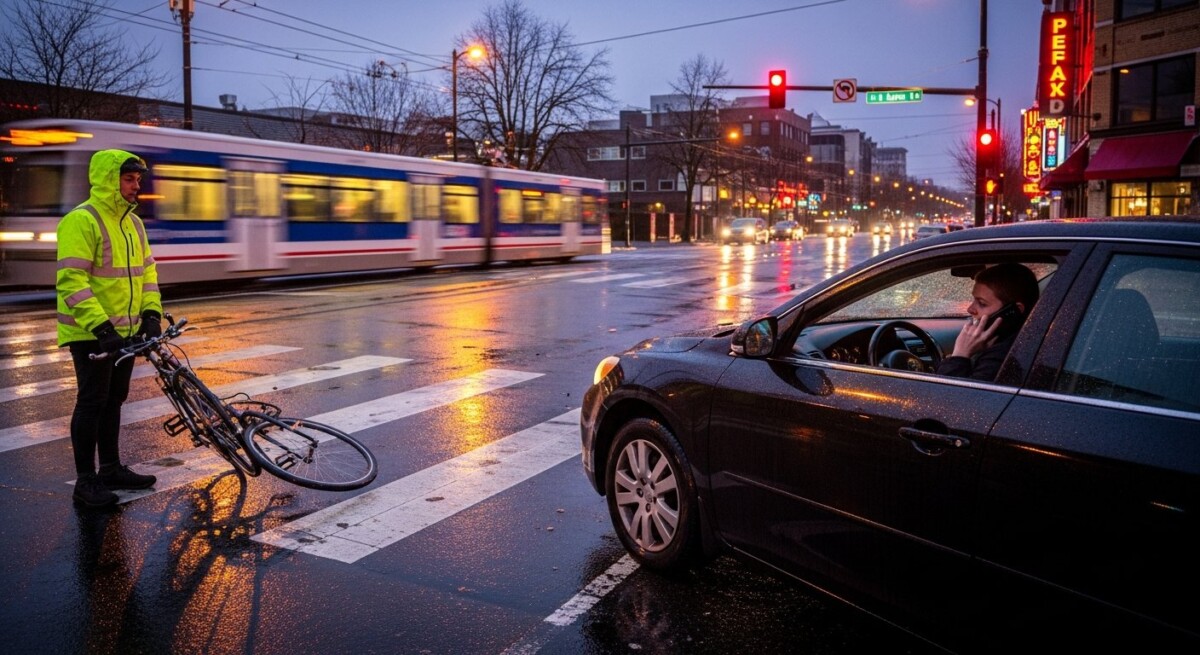
Portland’s streets are known for their bike lanes, MAX trains, and unpredictable weather. Whether you are a driver, cyclist, or pedestrian, an accident can turn your day upside down in seconds. The immediate shock often gives way to a pressing question: Can I still file a claim after an accident in Portland? The answer is almost always yes, but the path to compensation depends on timing, evidence, and the type of accident you experienced. This article walks through the critical steps you need to take to protect your rights and secure the recovery you deserve.
Understanding Oregon’s Statute of Limitations
Oregon law sets strict deadlines for filing personal injury claims. For most car accidents, you have two years from the date of the crash to file a lawsuit. If you miss this window, the court will likely dismiss your case, and you will lose your right to seek compensation. This rule applies to claims against negligent drivers, government entities, and even product manufacturers if a defective part caused the accident.
There are a few exceptions worth noting. If the accident involved a government vehicle or occurred on public property, you may need to file a notice of claim within 180 days. Similarly, if the injured party is a minor, the clock may pause until they turn 18. These nuances make it crucial to act quickly. Waiting too long can erase your chance to recover medical bills, lost wages, and pain and suffering.
Why Acting Quickly Matters
Even though the legal deadline is two years, evidence can disappear within days. Surveillance footage may be overwritten, skid marks wash away, and witnesses forget details. Insurance companies also use delays against you. They may argue that your injuries are not serious if you waited to file a claim. In our guide on automatic pedestrian braking accidents in California, we discuss how technology creates new evidence opportunities. In Portland, acting fast helps preserve that evidence and strengthens your position.
What Happens If You Miss the Deadline?
Filing a claim late can result in an automatic denial. The insurance company will simply point to the statute of limitations and refuse to pay. The court will uphold this refusal unless you can prove a very narrow exception, such as the defendant left the state or the injury was not discovered until later. These exceptions are rare and difficult to prove without an attorney.
If you are unsure about the deadline, consult a lawyer immediately. Many Portland attorneys offer free consultations and can check the calendar for you. Even if you are close to the deadline, a lawyer can file a complaint quickly to preserve your rights. Do not assume you have plenty of time. The two years go by faster than most people realize, especially when you are recovering from injuries and dealing with insurance adjusters.
Types of Claims You Can File in Portland
Portland accidents cover a wide range of scenarios. Each type of claim has slightly different rules and potential defendants. Here are the most common types of accident claims you can file in the city.
- Car accident claims: These involve another driver who was negligent, such as running a red light or speeding. You can claim medical expenses, lost income, vehicle repair costs, and pain and suffering.
- Bicycle accident claims: Portland has a strong cycling culture, but bike lanes do not always protect riders. Claims can be filed against drivers who open doors into cyclists or fail to yield.
- Pedestrian accident claims: Crosswalks and intersections are common sites for pedestrian injuries. Drivers who fail to stop for pedestrians in crosswalks are typically liable.
- Public transit accident claims: If you are injured on a TriMet bus or MAX train, you may have a claim against the transit authority. These claims have a shorter notice period, often 180 days.
- Rideshare accident claims: Uber and Lyft accidents involve complex insurance layers. You may need to file against the driver’s personal policy, the rideshare company’s policy, or both.
Each claim type requires specific evidence. For a car crash, you need photos of the scene and the other driver’s insurance information. For a bicycle accident, witness statements and a police report are critical. For a rideshare claim, you may need to request trip data from the company. An experienced attorney can help you gather the right documents and file the appropriate claim.
How Insurance Companies Handle Delayed Claims
Insurance adjusters are trained to minimize payouts. When you file a claim weeks or months after an accident, they will scrutinize the delay. They may ask why you did not seek medical treatment right away or why you did not report the crash to the police. These questions are designed to cast doubt on the severity of your injuries or the cause of the accident.
To counter this, be prepared with a clear explanation. If you had minor pain that worsened over time, show medical records that document the progression. If you did not call the police because the damage seemed minor, explain that you later discovered hidden damage or delayed symptoms. The more documentation you provide, the harder it is for the adjuster to deny your claim. For more insight on handling complex accident scenarios, refer to our analysis of pedestrian braking incidents and regulation changes.
Steps to Take Before Filing a Claim
If you are past the initial shock of the accident, you can still take steps to build a strong case. Follow this process to improve your chances of success.
- Seek medical attention immediately. Even if you feel fine, some injuries like whiplash or internal bleeding take hours or days to appear. A medical record creates a timeline linking your injuries to the accident.
- Gather evidence from the scene. If you can safely return to the location, take photos of the intersection, any skid marks, and the positions of vehicles. Collect contact information from witnesses who saw the crash.
- Report the accident to the police. A police report provides an official record. In Portland, you can file a report online for minor crashes or call 911 for serious injuries.
- Notify your insurance company. Your policy likely requires you to report an accident promptly. Even if you are not at fault, notify your insurer to comply with the policy terms.
- Consult a Portland accident attorney. An attorney can evaluate your case, calculate potential damages, and deal with insurance adjusters on your behalf. Many offer free initial consultations.
These steps apply whether you file immediately or months later. The key is to create a paper trail that shows a direct connection between the accident and your injuries. Without this trail, the insurance company may argue that your injuries came from another incident.
Common Reasons Claims Are Denied
Understanding why claims get denied helps you avoid common pitfalls. Insurance companies often reject claims for the following reasons.
- Lack of evidence: If you cannot prove the other party was at fault, the claim will fail. This is why photos, witness statements, and police reports are so important.
- Comparative negligence: Oregon follows a modified comparative fault rule. If you are more than 50 percent at fault, you cannot recover damages. If you are 20 percent at fault, your compensation is reduced by 20 percent.
- Missed deadlines: As noted, failing to file within the statute of limitations is an automatic bar to recovery.
- Pre-existing conditions: The insurer may argue that your injuries existed before the accident. Medical records showing a clear change after the crash can overcome this objection.
- Inconsistent statements: Changing your story or contradicting the police report can destroy your credibility. Be consistent in every interaction with insurers and attorneys.
Each of these issues can be addressed with proper preparation. An attorney can help you gather evidence, calculate fault percentages, and present a consistent narrative. Do not let these common reasons discourage you from filing.
Frequently Asked Questions
Can I file a claim if the accident was partially my fault?
Yes, Oregon allows you to recover damages even if you are partially at fault, as long as you are not more than 50 percent responsible. Your compensation will be reduced by your percentage of fault. For example, if you are 20 percent at fault and your damages are $100,000, you can recover $80,000.
What if I did not go to the hospital right after the accident?
You can still file a claim, but you need to document why you delayed. See a doctor as soon as you notice symptoms. Explain to the doctor that the symptoms started after the accident. This creates a link that the insurance company cannot easily break.
How much does it cost to hire a Portland accident attorney?
Most personal injury attorneys work on a contingency fee basis. You pay nothing upfront, and the attorney takes a percentage of the settlement or verdict. This percentage typically ranges from 25 to 40 percent, depending on the complexity of the case. You can call 833-227-7919 for a free case evaluation.
Can I still file a claim if the other driver is uninsured?
Yes, if you have uninsured motorist coverage on your own policy. This coverage pays for your injuries when the at-fault driver has no insurance. You can also file a claim against your own insurer under this coverage.
Final Thoughts on Filing After a Portland Accident
Filing a claim after an accident in Portland is not only possible but often necessary to recover from financial and physical losses. The most important factors are timing, evidence, and legal guidance. Whether you were in a car crash, a bicycle collision, or a pedestrian incident, the steps you take after the accident determine the outcome. Do not let fear of the process stop you from seeking what you deserve. Contact a qualified attorney to review your case and protect your rights. For further reading on how new regulations affect accident claims, see our coverage of California pedestrian braking regulations and their impact on liability.