Car Accident Claim: What Evidence Do You Need to Win
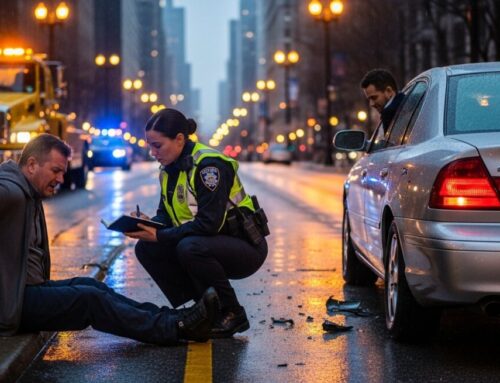
The moments after a car accident are often chaotic, confusing, and stressful. Between checking for injuries, moving vehicles out of traffic, and exchanging information with other drivers, collecting evidence is rarely the first thing on your mind. However, the strength of your car accident claim depends almost entirely on the quality of evidence you gather at the scene and in the days that follow. Insurance companies are not in the business of paying out large settlements without proof. They will look for gaps, inconsistencies, or a lack of documentation to minimize your payout or deny your claim entirely. Understanding what evidence do you need for a car accident claim can mean the difference between a fair settlement and a frustrating battle with an insurance adjuster.
This guide walks you through the specific types of evidence that build a compelling case, how to collect them properly, and what to do if critical evidence was missed at the scene. By the end, you will know exactly how to protect your legal rights and maximize your compensation.
Why Evidence Determines Your Claim’s Outcome
Insurance companies rely on evidence to assign fault and calculate damages. Without clear proof, the claims process becomes a he-said-she-said dispute that often ends in a reduced offer or a denial. The burden of proof falls on you, the claimant, to show that another driver was negligent and that their negligence caused your injuries and property damage. Strong evidence shifts the negotiation power to your side. It forces the insurance adjuster to take your claim seriously and often leads to a faster, higher settlement.
When you understand what evidence do you need for a car accident claim, you can proactively build a file that leaves no room for dispute. This includes everything from photos of the accident scene to medical records that link your injuries directly to the crash. Even small pieces of evidence, like a torn piece of clothing or a scuff mark on your shoe, can corroborate details about the impact and your position at the time of the collision. For a deeper look at how insurers try to devalue claims, read our article on why insurance denies car accident claims: top reasons.
The Core Types of Evidence You Must Collect
Evidence falls into several categories, each serving a distinct purpose in proving liability and calculating damages. The most effective claims include evidence from multiple categories because they create a complete, consistent story of what happened.
1. Photographic and Video Evidence
Visual evidence is the most powerful tool you have. Photos and videos capture details that written notes cannot describe. If you are physically able, take pictures immediately after the accident. Focus on the following:
- All vehicles involved, showing the damage from multiple angles.
- The position of the cars in relation to each other and the surrounding environment.
- Road conditions, weather, lighting, and any traffic signs or signals.
- Your injuries, including bruises, cuts, swelling, and visible pain or discomfort.
- Skid marks, debris, broken glass, and fluid leaks on the pavement.
Video footage from a dashcam or a nearby security camera can be invaluable. If a witness recorded the accident on their phone, ask for a copy. Even a short clip can confirm who had the right of way or how fast the vehicles were moving. After you leave the scene, take follow-up photos of your injuries over the next several days. Bruises often darken and become more visible hours after the crash, and those images can document the true extent of your pain.
2. Witness Statements and Contact Information
Independent witnesses provide an unbiased account of the accident. Their testimony can corroborate your version of events and counter any false statements from the other driver. At the scene, ask witnesses for their name, phone number, and email address. If they are willing, ask them to describe what they saw in their own words. Record their statement on your phone or write it down verbatim. Witnesses who leave before you collect their information are lost forever, so prioritize this step before you leave the scene.
Even passengers in your own vehicle can serve as witnesses, though their testimony may carry less weight because of their relationship to you. If the other driver had passengers, try to get their contact information as well. They may be willing to provide a statement that contradicts the driver’s version of events.
3. The Official Police Report
Calling the police to the scene is critical, even for minor accidents. The responding officer will file a report that includes their observations, a diagram of the accident, citations issued, and statements from both drivers and witnesses. Insurance companies place significant weight on police reports because they are created by a neutral third party. The officer’s opinion on who caused the accident can heavily influence the adjuster’s decision.
When the officer arrives, provide a clear, factual account of what happened. Do not speculate about fault or admit responsibility. Stick to what you saw and felt. After the report is filed, obtain a copy as soon as possible. You can usually request it online or pick it up at the police station within a few days. Review it carefully for errors. If the report contains mistakes, contact the officer to request a correction. An inaccurate police report can harm your claim if left uncorrected.
4. Medical Records and Bills
Medical documentation is the backbone of your injury claim. It proves that you were hurt, establishes the severity of your injuries, and shows the cost of your treatment. Seek medical attention immediately after the accident, even if you feel fine. Some injuries, like whiplash or internal bleeding, do not cause immediate pain. A delayed diagnosis can give the insurance company an excuse to argue that your injuries were not caused by the accident.
Keep every document related to your medical care, including emergency room reports, doctor’s notes, diagnostic imaging results, prescription records, and physical therapy logs. Your medical bills serve as evidence of economic damages, while your doctor’s prognosis and pain records support non-economic damages like pain and suffering. If your doctor recommends ongoing treatment or surgery, get that recommendation in writing. Insurance adjusters often try to settle quickly before the full extent of your injuries is known. Do not accept a settlement until your doctor says you have reached maximum medical improvement.
Preserving Physical Evidence From the Scene
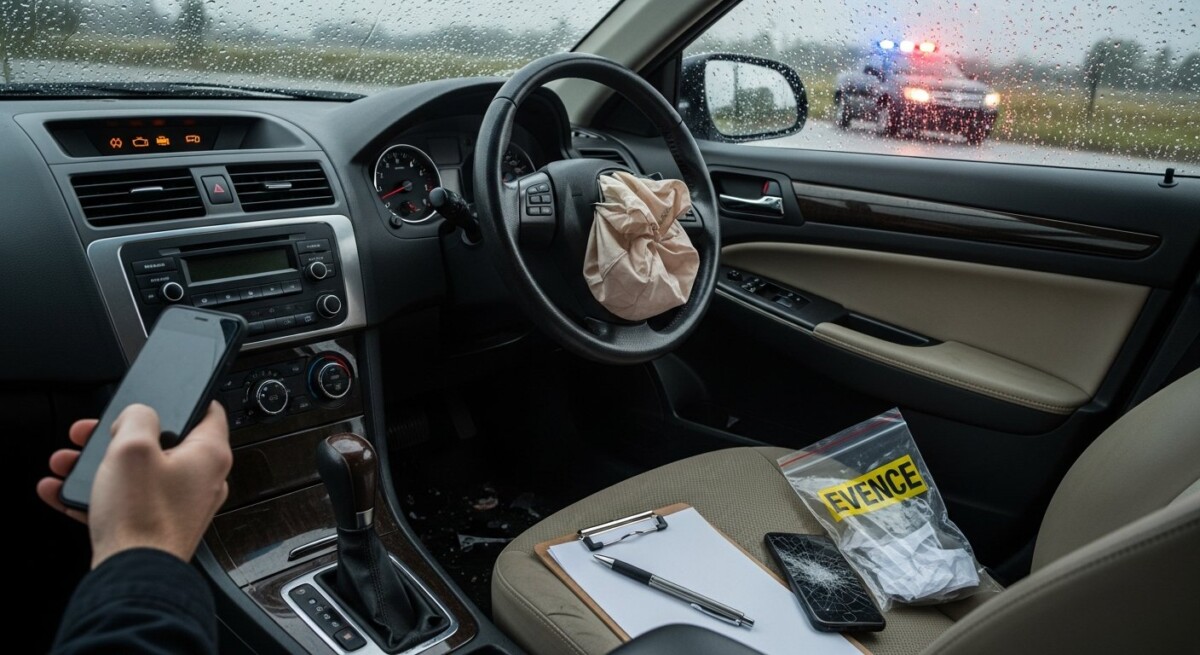
Physical evidence includes items that were damaged or altered in the crash. Your damaged clothing, shoes, or accessories can show the force of the impact. A torn jacket or a sole ripped from a shoe can help illustrate how violently the collision threw your body. Save these items in a plastic bag and do not wash or repair them. They become exhibits that support your description of the accident.
Your vehicle itself is a piece of evidence. Do not repair it until your insurance company has inspected it and you have taken detailed photos. The location and severity of the damage on your car can confirm the point of impact and the direction of the crash. If the other driver’s vehicle is available for inspection, your attorney may arrange for an expert to examine it as well. The condition of both vehicles tells a story that can refute a dishonest driver’s account.
Documenting Your Recovery and Daily Impact
Beyond the immediate aftermath, you need evidence that shows how the accident affected your daily life. Keep a journal where you record your pain levels, limitations, emotional struggles, and missed activities. Note the days you could not work, the hobbies you could not enjoy, and the tasks you could not perform without help. This personal documentation humanizes your claim and provides concrete examples of how the accident diminished your quality of life.
If you missed work, gather pay stubs, tax returns, or a letter from your employer confirming your lost wages and any lost earning capacity. If a family member had to take time off to care for you, document that as well. Loss of consortium claims require evidence that the accident damaged your relationship with your spouse. All of these details fit into the larger question of what evidence do you need for a car accident claim that fully compensates you for your losses.
What Happens When Evidence Is Missing or Weak
If you did not collect evidence at the scene, all is not lost. You can still build a claim using after-the-fact evidence. Request traffic camera footage from the intersection where the crash occurred. Many cities and businesses have cameras that record continuously. Submit a public records request or contact the property owner as soon as possible because footage is often overwritten within days or weeks. You can also ask local businesses if their security cameras captured the accident.
Your medical records remain available even if you did not take photos at the scene. Schedule a doctor’s appointment and get a thorough evaluation. The doctor’s report will document your injuries and link them to the accident. If you have a smartphone, start taking photos of your injuries and vehicle damage now, even if days have passed. Any evidence is better than none, and a skilled attorney can often piece together a compelling case from limited materials. If your claim was denied or underpaid due to insufficient evidence, read our guide on how to appeal car accident claim denial successfully.
The Role of Your Attorney in Evidence Collection
An experienced car accident attorney knows exactly what evidence is needed and how to obtain it. They have access to resources that most individuals do not, such as accident reconstruction experts, investigators, and databases for locating witnesses. Your attorney will issue subpoenas for records, interview witnesses under oath, and preserve evidence that you might not have considered. They also handle all communication with the insurance company, which prevents you from accidentally saying something that harms your case.
Legal Case Review connects you with top-rated attorneys who specialize in car accident claims. Our patented attorney selection process ensures you are matched with a lawyer who has a proven track record in cases like yours. We offer free case evaluations and consultations, so there is no financial risk to learning about your options. Our attorneys work on a contingency fee basis, meaning they only get paid if you win. This alignment of incentives ensures they are fully committed to maximizing your recovery. If you are unsure whether your evidence is sufficient, contact us at 833-227-7919 to speak with a legal professional who can evaluate your case for free.
Frequently Asked Questions
What evidence do you need for a car accident claim if the other driver fled the scene?
In a hit-and-run situation, evidence becomes even more critical. Focus on anything that identifies the other vehicle, such as the license plate number, make, model, color, and any distinguishing features like bumper stickers or damage. Look for paint transfer on your car that matches the other vehicle’s color. Check for surveillance cameras in the area and ask witnesses if they saw the fleeing car. If you have uninsured motorist coverage, your own insurance may cover your damages, but you need to report the accident promptly and provide all available evidence.
Can I use my phone’s GPS data as evidence?
Yes. GPS data from your phone or your car’s navigation system can show your speed, route, and location at the time of the accident. This data can corroborate your account of how fast you were traveling and whether you stopped at a traffic light or stop sign. Save screenshots of your GPS history before the data is overwritten. Your attorney can also request a forensic extraction of your phone’s location data if needed.
How long do I have to collect evidence after a car accident?
You should start collecting evidence immediately, but the legal deadline to file a claim varies by state. Most states have a statute of limitations of two to three years for personal injury claims. However, evidence like surveillance footage, witness memories, and physical marks on the road degrade quickly. Aim to gather all evidence within the first few weeks after the accident. If you are approaching the statute of limitations without a resolution, read our article on car accident claim denied: what to do next for guidance on your options.
What if I cannot afford an attorney to help with my claim?
Most car accident attorneys work on a contingency fee basis, which means you pay nothing upfront. They take a percentage of your settlement or verdict only if you win. This arrangement makes legal representation accessible to everyone, regardless of financial situation. Legal Case Review offers free consultations and case evaluations, so you can get professional advice without any cost. Call 833-227-7919 to schedule your free evaluation today.
Build Your Case With Confidence
Knowing what evidence do you need for a car accident claim empowers you to take control of your recovery from day one. Every photo, document, and witness statement strengthens your position and reduces the insurance company’s ability to undervalue your claim. The process may feel overwhelming, but you do not have to navigate it alone. Legal Case Review connects you with attorneys who handle the evidence collection, negotiation, and litigation so you can focus on healing. If your claim was underpaid, our guide on underpaid accident claim: your next steps outlines exactly what to do next. Call 833-227-7919 for a free case evaluation and take the first step toward the compensation you deserve.