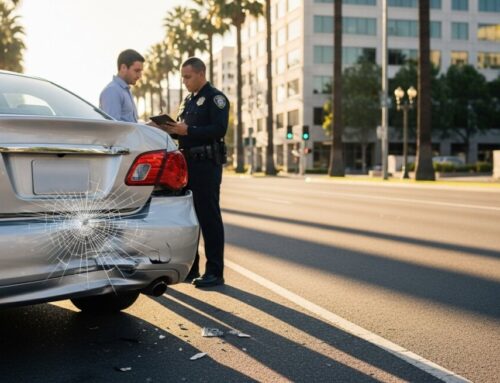
Chicago Car Accident: How to Handle Medical Bills
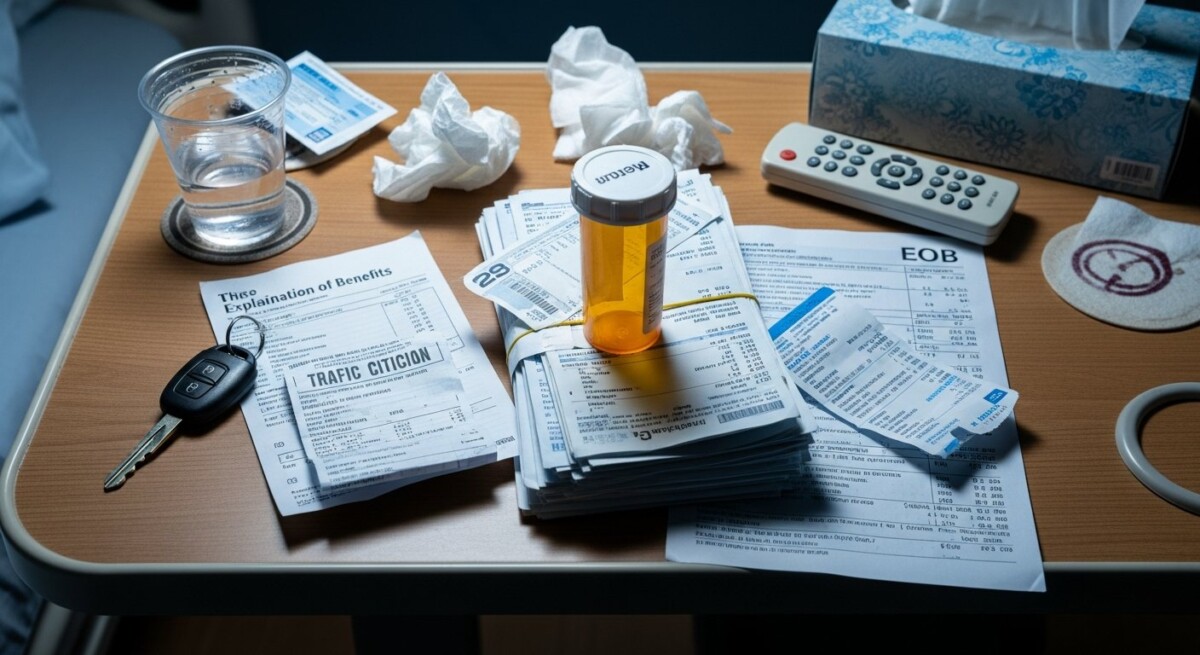
Car accidents in Chicago can leave you with serious injuries and a pile of medical bills that seem impossible to manage. The financial stress of hospital visits, surgeries, physical therapy, and follow-up appointments can be overwhelming, especially when you are already dealing with pain and recovery. Understanding how to handle medical bills after a car accident in Chicago is essential for protecting your health and your finances. This guide will walk you through the steps you need to take to manage these expenses, work with insurance companies, and ensure you receive the compensation you deserve.
Why Medical Bills Are Different After a Car Accident
Unlike a routine illness or injury, medical bills from a car accident involve multiple parties and insurance policies. In Chicago, you might deal with your own health insurance, your auto insurance, the at-fault driver’s insurance, and potentially Medicare or Medicaid. Each of these entities has different rules about what they cover and when they pay. This complexity is why knowing how to handle medical bills after a car accident in Chicago is a critical skill for any accident victim.
Another major difference is that medical providers often place a lien on your settlement or judgment. This means they agree to treat you now in exchange for being paid out of any future recovery you receive. While this can help you get care without upfront costs, it also means that a portion of your settlement will go directly to medical providers. Understanding these dynamics early can prevent surprises later.
Step 1: Seek Immediate Medical Attention
Your health is the first priority. After a car accident, even if you feel fine, you should see a doctor or go to an emergency room. Some injuries, like whiplash, concussions, or internal bleeding, may not show symptoms for hours or days. A prompt medical evaluation creates a record linking your injuries to the accident, which is crucial for insurance claims and potential lawsuits.
If you delay treatment, insurance companies may argue that your injuries were not caused by the accident or that they are not serious. In our guide on managing medical bills after a Chicago car accident, we explain how early documentation strengthens your case and improves your chances of full compensation. Keep all records, including emergency room discharge papers, diagnostic test results, and doctor’s notes.
Step 2: Notify Your Insurance Company Properly
Illinois law requires you to report an accident to your insurance company promptly. However, you should be careful about what you say. Stick to the basic facts: the date, time, location of the accident, and the other driver’s information. Do not admit fault, speculate about injuries, or provide a recorded statement without consulting a lawyer first. Insurance adjusters are trained to minimize payouts, and anything you say can be used against you later.
Your auto insurance policy may include Personal Injury Protection (PIP) or Medical Payments (MedPay) coverage, which pays for medical expenses regardless of who caused the accident. In Chicago, PIP is not mandatory, but MedPay is required in minimum amounts. Check your policy to see what coverage you have. Using this coverage can help you pay bills immediately while you pursue a claim against the at-fault driver.
Step 3: Understand Your Health Insurance Role
If you have health insurance, your plan may cover accident-related medical expenses. However, your health insurer usually has a right to subrogation, meaning they can seek reimbursement from any settlement you receive. This is why you need to coordinate carefully between your health insurer and your auto insurer. Failing to do so can result in denied claims or unexpected bills.
Some health insurance policies exclude coverage for injuries caused by car accidents, or they only cover treatment after other insurance has been exhausted. You should contact your health insurer directly to ask about their accident-related coverage policies. Also, ask your medical providers to bill your health insurance first if allowed, as this can reduce your out-of-pocket costs and prevent bills from going to collections.
Step 4: Review All Medical Bills for Errors
Medical billing errors are common, and after a car accident, they can be even more frequent due to the involvement of multiple insurance companies. You should carefully review every bill you receive. Look for duplicate charges, incorrect procedure codes, or charges for services you did not receive. Discrepancies can lead to overpayment or denied claims.
If you find an error, contact the billing department of the hospital or clinic immediately. Provide them with the correct information and request a corrected bill. Keep copies of all correspondence and notes from phone calls. This diligence can save you thousands of dollars and prevent negative impacts on your credit score.
Step 5: Use Medical Liens Wisely
Many medical providers in Chicago will treat accident victims on a lien basis. This means they agree to wait for payment until you settle your case or win a judgment. While this can be helpful, you must understand the terms of the lien. Some providers charge interest or administrative fees, and the lien amount may be negotiable.
Before signing a lien agreement, ask the provider to put the terms in writing. Clarify what services are covered, the interest rate, and any fees. Also, understand that liens take priority over other debts when you receive a settlement. This means you may end up with less money in your pocket than expected. A skilled attorney can help you negotiate liens and maximize your net recovery.
Step 6: Consider Hiring a Chicago Car Accident Lawyer
Handling medical bills after a car accident often requires legal expertise. A lawyer can help you navigate the complex interactions between health insurance, auto insurance, and medical providers. They can also negotiate with insurance companies to ensure your medical expenses are fully covered in your settlement. In many cases, attorneys work on a contingency fee basis, meaning they only get paid if you win.
An experienced lawyer will also help you calculate the true value of your medical expenses, including future care costs. They can hire experts to project long-term treatment needs and ensure those costs are included in your claim. Without legal representation, you risk accepting a settlement that does not cover all your medical bills.
Step 7: Keep a Detailed Medical and Financial Journal
Documentation is your best friend when dealing with medical bills. Keep a journal that records every doctor visit, treatment, medication, and expense related to the accident. Include dates, names of providers, costs, and notes from conversations with insurance companies. This journal will serve as a central reference when you or your lawyer negotiate a settlement.
Also, track non-medical expenses like transportation to appointments, lost wages, and costs for assistive devices or home modifications. These items can be included in your claim for compensation. The more detailed your records, the stronger your case for full reimbursement.
Frequently Asked Questions
What if I cannot afford to pay my medical bills upfront?
Many Chicago hospitals and clinics offer financial assistance programs or payment plans. You can also use your MedPay or PIP coverage to pay bills immediately. If you have a lawyer, they may be able to arrange for treatment on a lien basis, so you do not have to pay until your case settles.
Can the hospital send my bills to collections?
Yes, if you do not pay or make arrangements, medical providers can send your bills to collections. This can damage your credit score. To avoid this, communicate with the billing department, set up a payment plan, or have your attorney notify them that you are pursuing a claim and payment will come from the settlement.
How does Illinois law affect medical billing after an accident?
Illinois follows a modified comparative fault rule, which means your compensation can be reduced if you are partially at fault for the accident. Also, Illinois has no-fault insurance laws for medical payments, but not for liability. This means your own insurance pays for medical bills up to your policy limit, regardless of fault, but you can still sue the at-fault driver for additional damages.
Do I have to use my health insurance first?
Not necessarily. You can use your auto insurance’s MedPay or PIP coverage first, if available. Some health insurance plans require you to exhaust other coverage before they pay. Check both policies and coordinate benefits to maximize coverage and minimize out-of-pocket costs.
What if the at-fault driver has no insurance?
If the at-fault driver is uninsured, your own uninsured motorist coverage can pay for your medical bills. Illinois requires insurance companies to offer this coverage, and many drivers purchase it. If you have this coverage, file a claim with your own insurer. A lawyer can help you pursue this option and any other available sources of compensation.
Final Thoughts on Managing Your Medical Bills
Knowing how to handle medical bills after a car accident in Chicago is not just about paying invoices, it is about protecting your financial future while you recover. By seeking immediate care, understanding your insurance options, reviewing bills for errors, and consulting a qualified attorney, you can reduce stress and avoid common pitfalls. Each step you take now will contribute to a smoother recovery process and a fair outcome. Do not hesitate to reach out for professional help when you need it. Your health and financial well-being are worth the effort.