Denver Hit-and-Run Injury: What to Do Next
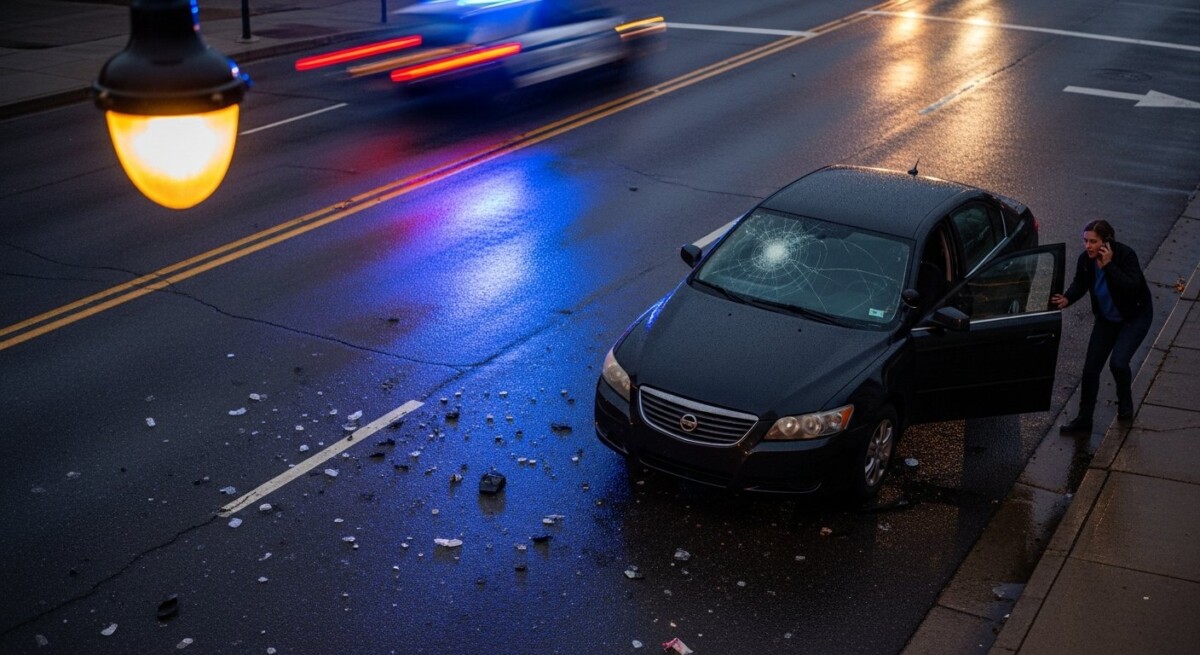
Being injured in a hit-and-run accident in Denver can leave you feeling confused, frustrated, and uncertain about your legal options. The moments after a collision are critical, especially when the other driver has fled the scene. Knowing what steps to take can protect your health, preserve your legal rights, and improve your chances of recovering compensation. This article walks you through the immediate actions you should take, the legal framework in Colorado, and how to work with an attorney to pursue justice.
Immediate Steps After a Denver Hit-and-Run Accident
Your safety and health come first after any accident. If you are injured, try to move to a safe location away from traffic if possible. Call 911 immediately to report the accident and request medical assistance. Even if your injuries seem minor, let the dispatcher know so that emergency medical services can assess you at the scene. Colorado law requires you to stop and exchange information after an accident, but when the other driver flees, your responsibility shifts to reporting the incident to law enforcement.
While waiting for help, do your best to gather information about the fleeing vehicle. Note the make, model, color, and any distinguishing features like bumper stickers, damage, or roof racks. If you can safely read the license plate number, write it down or photograph it with your phone. Also note the direction the vehicle traveled after leaving the scene. Every detail matters, as police and investigators use this information to track down the driver.
If there are witnesses, ask for their contact information. Witnesses can provide independent accounts of the accident and may have seen details you missed. Bystanders, nearby business owners, or even other drivers may have dashcam footage that captures the collision and the fleeing vehicle. Politely request their names and phone numbers, and ask if they are willing to speak with law enforcement or your attorney later.
Reporting the Accident to Law Enforcement
Colorado law requires you to report any accident involving injury, death, or property damage exceeding $1,000 to the local police department. In Denver, you can file a report with the Denver Police Department or the Colorado State Patrol. When you call 911, the dispatcher will send officers to the scene. Once the officer arrives, provide them with all the information you have gathered, including your description of the fleeing vehicle and any witness details.
Ask the responding officer for the police report number and a copy of the report when it becomes available. This report is a crucial document for your insurance claim and any legal action you pursue. The report will include the officer’s observations, witness statements, and any evidence collected at the scene. If the police later identify the hit-and-run driver, the report will contain that information as well.
If you are unable to provide a complete vehicle description at the scene, do not worry. Many hit-and-run cases are solved through surveillance footage from nearby businesses, traffic cameras, or red-light cameras. The Denver Police Department has a Hit-and-Run Unit that investigates these cases. Give the officer as much information as you can, and follow up with them if you remember additional details later.
Seeking Medical Attention and Documenting Injuries
Even if you feel fine after the accident, see a doctor as soon as possible. Some injuries, such as whiplash, concussions, or internal injuries, may not show symptoms immediately. A medical evaluation creates a record of your injuries and links them to the accident. This documentation is essential for insurance claims and potential lawsuits. Keep all medical records, bills, and receipts related to your treatment.
Take photographs of your injuries at the scene and during your recovery. Visual evidence of bruises, cuts, swelling, or other visible injuries helps demonstrate the severity of the accident. Also photograph any damage to your vehicle, including dents, broken glass, and deployed airbags. If you have a smartphone, create a folder dedicated to accident-related photos and documents.
Follow your doctor’s treatment plan carefully. If you skip appointments or fail to follow medical advice, the insurance company may argue that your injuries are not serious or that you failed to mitigate your damages. Consistent treatment shows that you are taking your recovery seriously and strengthens your claim for compensation.
Notifying Your Insurance Company
Colorado is a fault-based insurance state, meaning the at-fault driver’s insurance pays for your damages. However, in a hit-and-run case, the fleeing driver is often uninsured or cannot be identified. In this situation, your own insurance policy may provide coverage through uninsured motorist (UM) coverage or underinsured motorist (UIM) coverage. Colorado law requires insurers to offer UM/UIM coverage, but you must have purchased it for it to apply.
Contact your insurance company as soon as possible after the accident. Provide them with the police report number, your medical records, and any evidence you have gathered. Be honest and accurate in your statements, but avoid giving recorded statements without first consulting an attorney. Insurance adjusters may try to minimize your claim or shift blame onto you. Stick to the facts and refer them to your attorney for legal questions.
If you have UM coverage, your insurance policy will pay for your medical expenses, lost wages, and pain and suffering up to your policy limits. This coverage can be a lifeline when the hit-and-run driver is never found. However, insurance companies often try to deny or undervalue UM claims. Having an attorney on your side can help ensure you receive the full benefits you are entitled to.
Legal Options and the Role of an Attorney
Navigating a hit-and-run claim in Denver can be complex, especially when the at-fault driver is unknown. An experienced personal injury attorney can investigate the accident, gather evidence, and negotiate with insurance companies on your behalf. If the fleeing driver is identified, your attorney can file a lawsuit against them to recover damages. If the driver is never found, your attorney can pursue a claim under your UM policy.
In our guide on hit-and-run accident attorney Kansas City: your guide, we explain how attorneys approach these cases, including gathering surveillance footage, interviewing witnesses, and working with accident reconstruction experts. While that guide focuses on Kansas City, the principles apply to Denver as well. A skilled attorney will know the local laws, court procedures, and insurance regulations that affect your case.
For those seeking legal representation in Denver, it is important to choose a lawyer who specializes in hit-and-run and personal injury cases. The process of finding the right attorney can feel overwhelming, but resources like how to find the best lawyer for hit-and-run accidents in San Francisco offer practical tips that translate well to Denver. Look for attorneys with a track record of successful settlements and verdicts, and schedule free consultations to discuss your case.
If your accident involved multiple vehicles, the legal dynamics become more complex. Our article on finding the best lawyer for multi-vehicle accidents in Denver provides guidance on how liability is apportioned among multiple drivers and how an attorney can help you navigate these cases. Even in a single-vehicle hit-and-run, an attorney can help you understand your rights and options.
Statute of Limitations for Hit-and-Run Claims in Colorado
Colorado law imposes a strict deadline for filing personal injury lawsuits. Under Colorado Revised Statutes section 13-80-102, you generally have two years from the date of the accident to file a lawsuit against the at-fault driver. If the hit-and-run driver is never identified, you have two years to file a claim under your UM policy. Missing this deadline can bar you from recovering any compensation.
There are some exceptions to the two-year rule. If the defendant leaves Colorado after the accident, the statute of limitations may be paused until they return. If you were a minor at the time of the accident, the clock may not start until you turn 18. However, these exceptions are narrow and do not apply in most cases. It is always safest to act promptly and consult an attorney as soon as possible after the accident.
Insurance companies also have deadlines for filing claims. Your policy may require you to notify them within a certain number of days after the accident. If you wait too long, the insurer may deny your claim. Read your policy carefully and contact your insurance company quickly to preserve your rights.
Common Challenges in Hit-and-Run Cases
Hit-and-run cases present unique challenges that can make recovery difficult. The most obvious challenge is identifying the fleeing driver. Without a license plate number or clear description, police may be unable to locate the driver. Even if the driver is identified, they may lack insurance or have minimal coverage. In these situations, your own UM coverage becomes your primary source of compensation.
Another challenge is proving that the accident was caused by the other driver and not by your own negligence. In a hit-and-run, there is no other driver to interview or depose. Your attorney must rely on physical evidence, witness testimony, and expert analysis to reconstruct the accident and demonstrate fault. This is why gathering evidence at the scene is so critical.
Insurance companies may also dispute the severity of your injuries or argue that your injuries were pre-existing. They may request your medical records from before the accident to look for prior complaints. An attorney can counter these arguments by presenting clear medical evidence and expert testimony linking your injuries to the accident.
Frequently Asked Questions
What should I do if I am injured in a hit-and-run accident in Denver and the driver is never found?
If the driver is never identified, you can still pursue compensation through your own uninsured motorist (UM) insurance coverage. UM coverage pays for medical expenses, lost wages, and pain and suffering up to your policy limits. Contact your insurance company and an attorney to start the claims process.
Do I need a lawyer for a hit-and-run claim in Denver?
While you can file a claim on your own, an attorney can significantly improve your chances of a fair outcome. Insurance companies often try to minimize payouts in hit-and-run cases. An attorney can investigate the accident, negotiate with insurers, and if necessary, file a lawsuit to recover full compensation.
How long do I have to file a lawsuit after a hit-and-run in Denver?
Under Colorado law, you generally have two years from the date of the accident to file a personal injury lawsuit. This deadline also applies to claims under your uninsured motorist policy. If you miss the deadline, you may lose the right to seek compensation.
Can I still recover compensation if I was partially at fault for the accident?
Yes. Colorado follows a modified comparative negligence rule under CRS 13-21-111. If you are found to be less than 50 percent at fault, you can still recover damages, but your compensation will be reduced by your percentage of fault. For example, if you are 20 percent at fault and your damages total $100,000, you would receive $80,000.
What evidence is most important in a hit-and-run case?
Key evidence includes photographs of the scene and your injuries, witness contact information, the fleeing vehicle’s description and license plate number, dashcam footage, and the police report. Medical records documenting your injuries and treatment are also critical for proving damages.
If you are looking for representation in a similar situation, our guide on finding the best Phoenix law firm for hit-and-run accidents offers insights that can help you evaluate attorneys in Denver as well. The same criteria, such as experience, client reviews, and fee structures, apply when choosing a Denver attorney.
Being injured in a hit-and-run accident in Denver is a stressful experience, but you do not have to face it alone. By taking the right steps immediately after the accident, preserving evidence, and working with an experienced attorney, you can protect your rights and pursue the compensation you need to recover. Do not wait to act. Time is critical in these cases, both for legal deadlines and for ensuring the best possible outcome. Reach out to a trusted personal injury attorney today to discuss your situation and explore your options.