Do I Need Medical Treatment After a Minor Car Accident?
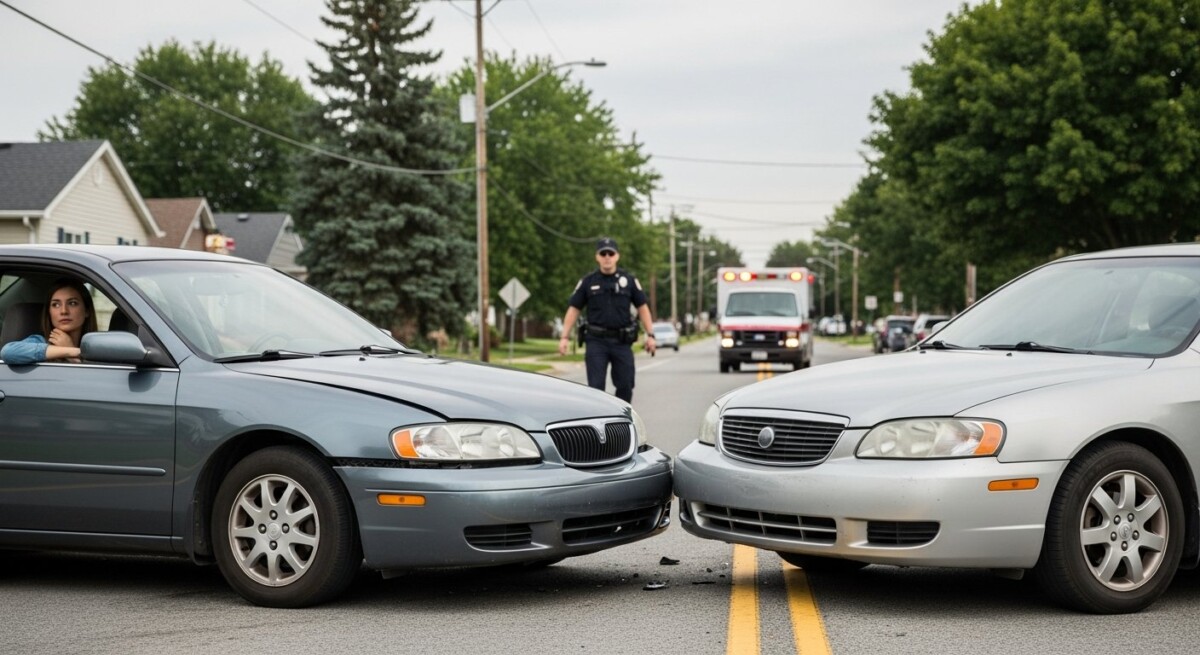
You just experienced a minor fender bender. No visible damage, no blood, and you feel fine. The natural instinct is to drive away and forget it ever happened. But that simple decision could cost you your health and thousands of dollars in unclaimed compensation. Many people ask, do I need medical treatment after a minor car accident? The answer is not as straightforward as it seems.
Even when a crash seems insignificant, your body can suffer hidden injuries that only surface hours or days later. Adrenaline masks pain, soft tissue damage may not show on X-rays, and delayed symptoms can complicate recovery. Moreover, insurance companies closely examine gaps in medical treatment to reduce or deny payouts. This article explains why seeking medical evaluation is critical for both your health and your legal rights, and how to proceed if you are uncertain.
Why You Should See a Doctor Even If You Feel Fine
After a low-impact collision, many people assume that no pain means no injury. However, the human body releases adrenaline and endorphins during stressful events, which can temporarily block pain signals. This natural response can allow significant injuries to go unnoticed until after the acute stress fades. For example, whiplash injuries often take 12 to 24 hours to produce stiffness, headaches, or neck pain. A herniated disc may not cause noticeable numbness or weakness for several days.
Beyond immediate discomfort, untreated injuries can worsen over time. What starts as a mild strain can develop into chronic pain, reduced mobility, or long-term nerve damage. Early medical intervention not only improves recovery outcomes but also creates a documented record linking your symptoms to the accident. For those in Los Angeles, finding an affordable car accident attorney for minor injuries can help you understand how to protect that record from the start.
Common Hidden Injuries After a Minor Crash
The following injuries frequently appear after low-speed collisions but are often overlooked during the initial hours:
- Whiplash: Rapid back-and-forth neck movement can stretch or tear muscles and ligaments, causing pain, stiffness, and headaches.
- Concussion: Even without direct head impact, the brain can jolt against the skull, leading to confusion, dizziness, or memory issues.
- Soft tissue damage: Sprains, strains, and contusions may not show on X-rays but can cause prolonged pain.
- Back injuries: Spinal misalignment or disc bulges might develop slowly, leading to sciatica or limited mobility.
Because these injuries are subtle, a medical professional trained in accident assessment is better equipped to detect them through physical exams, range-of-motion tests, and diagnostic imaging. Ignoring them not only risks your health but also weakens any future insurance claim.
The Legal and Insurance Implications of Delayed Treatment
Insurance adjusters are trained to scrutinize timelines. When you report an injury weeks after a crash, they often argue that the condition pre-existed the accident or was caused by something else. A gap in medical treatment gives them leverage to reduce settlement offers or deny claims entirely. If you visit a doctor immediately, you establish a clear causal link between the collision and your injuries.
Furthermore, many states have no-fault insurance laws that require prompt medical evaluation to qualify for personal injury protection (PIP) benefits. Missing the deadline can result in out-of-pocket costs for treatment. Even in fault-based states, late treatment can be used against you during negotiations or in court. As noted in our guide on affordable car accident lawyers for minor injuries in LA, early documentation is one of the most powerful tools for maximizing compensation.
Beyond the legal strategy, consider that untreated injuries can escalate into conditions requiring surgery or long-term care. Insurance companies often cap benefits based on policy limits, so the sooner you start treatment, the more likely you are to stay within those limits and avoid exhausting your coverage on advanced procedures later.
When to Seek Emergency Care vs. Routine Checkup
Not every minor car accident warrants a trip to the emergency room. However, certain signs demand immediate medical attention. If you experience any of the following, go to the ER or call 911:
- Loss of consciousness, even briefly
- Severe headache or vomiting
- Numbness, tingling, or weakness in arms or legs
- Vision changes or slurred speech
- Difficulty breathing or chest pain
If you have none of these red flags but still feel “off,” schedule an appointment with your primary care provider, urgent care clinic, or a specialist like a chiropractor or physiatrist within 24 to 48 hours. Many physicians offer same-day appointments for post-accident evaluations. For those searching for accident attorney no injury near me type resources, remember that a medical record is often required before an attorney can pursue a claim on your behalf.
Even if you feel completely fine, a routine checkup provides a baseline. If symptoms emerge later, your doctor can compare findings to the initial exam, which strengthens your case. Delaying care by only a few days can raise suspicion, so err on the side of caution.
How a Free Medical Evaluation Can Protect Your Claim
Many accident victims worry about the cost of medical visits, especially if they lack health insurance or have high deductibles. Fortunately, many clinics offer free or low-cost initial evaluations for car accident injuries. These exams focus on identifying trauma that may not be immediately obvious and developing a treatment plan. Accepting a free evaluation does not obligate you to ongoing care, but it does create a timestamped record that can be invaluable for your claim.
Additionally, some personal injury attorneys work with medical providers who offer deferred payment. You pay for treatment only after your case settles. This arrangement, called a medical lien, allows you to receive necessary care without upfront costs. For a deeper look at this approach, see our article on car accident lawyer: no injury, no problem, which explains how even seemingly injury-free accidents can benefit from legal guidance.
Remember that insurance companies expect to see a clear chain of care. Starting treatment early and following through consistently demonstrates that you are taking your recovery seriously. It also prevents them from arguing that your injuries are exaggerated or unrelated.
Frequently Asked Questions
Can I wait a few days to see if I feel pain before seeing a doctor?
While some symptoms may resolve on their own, waiting increases the risk that an insurance adjuster will question the connection to the accident. Many policies require medical care within a specific time frame (often 72 hours) to qualify for benefits. It is safer to see a doctor promptly and document any issues.
What if I cannot afford a doctor visit?
Many communities have free clinics, urgent care centers with sliding-scale fees, or attorneys who can refer you to providers offering medical liens. A free consultation with a lawyer can help you explore these options without financial pressure.
Will going to the doctor automatically mean I have to miss work?
Not necessarily. Many minor injuries require only a brief evaluation and conservative care like rest, ice, or over-the-counter medication. Your doctor can provide a work-excuse note if needed, but you can often schedule appointments outside work hours.
Do I need a lawyer if I only have minor injuries?
Even minor injuries can lead to medical bills, lost wages, and insurance hassles. An attorney can handle the paperwork, negotiate with adjusters, and ensure you receive fair compensation for soft tissue damage or follow-up visits. Many offer free initial consultations.
What if I already declined medical care at the scene?
You can still seek treatment later, but the timing window is critical. Visit a doctor as soon as possible and explain that you were in an accident. The longer you wait, the more difficult it becomes to prove causation.
Taking the right steps after a minor car accident can make a significant difference in your health and your financial recovery. Medical treatment is not just about feeling better; it is about building a documented case that protects your rights. If you have any doubts, err on the side of caution and see a professional. The cost of a single visit is far less than the cost of a denied claim or a chronic injury that goes untreated.