
Hit by an Uninsured Driver in Pennsylvania? Your Options
What happens if the at-fault driver has no insurance in Pennsylvania? Your UM coverage may pay. Call 8332791850 for a free case review.

By Maribel Frost
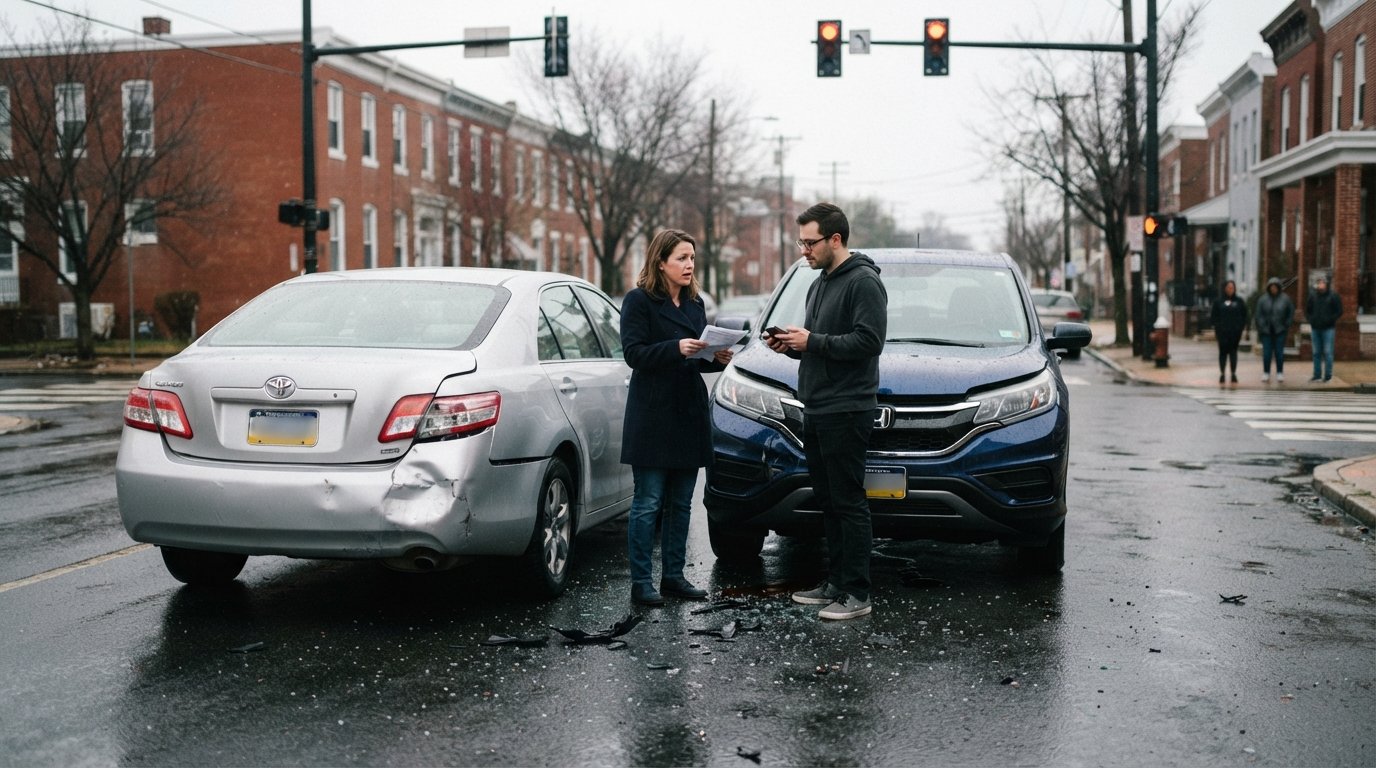
You are sitting at a red light in Philadelphia when a driver slams into your rear bumper. You exchange information, and the other driver quietly admits they have no insurance card. Your stomach drops. In Pennsylvania, roughly 1 in 13 drivers is uninsured, one of the highest rates in the nation. That means thousands of accidents every year involve an at-fault driver who cannot pay a dime out of pocket. The good news: Pennsylvania law builds protection into your own auto policy for exactly this scenario. The bad news: that protection has limits, deadlines, and traps that can shrink or eliminate your recovery if you do not act carefully. This guide walks through what happens if the at-fault driver has no insurance in Pennsylvania, from the first police report to the final settlement check, so you know which coverage pays, which deadlines apply, and when it makes sense to bring in a lawyer.
Pennsylvania Is a Choice No-Fault State, and That Changes Everything
Pennsylvania is one of only a handful of states with a "choice" no-fault system. When you buy auto insurance in Pennsylvania, you must choose between full tort and limited tort coverage. That single checkbox on your application controls whether you can sue an at-fault driver for pain and suffering, or whether you are generally stuck with economic losses only unless your injuries meet a serious injury threshold.
This choice matters enormously when the at-fault driver has no insurance. If you selected limited tort, you can usually still recover medical bills, lost wages, and other out-of-pocket economic losses from the at-fault driver or from your own uninsured motorist coverage. But you may be barred from recovering non-economic damages like pain, suffering, and emotional distress unless your injury qualifies as serious. Full tort policyholders keep the right to pursue all damages, including pain and suffering, from the responsible driver and through their own UM claim.
There is one crucial exception: limited tort does not protect the uninsured driver from being sued for non-economic damages in every situation. Under Pennsylvania law, a driver who was uninsured at the time of the crash cannot use the limited tort defense against your claim for pain and suffering. In other words, the uninsured at-fault driver loses that shield. Many accident victims never learn this, and it can be the difference between a modest economic-loss settlement and a full personal injury claim.
If you are unsure which tort option you selected, check your declarations page. It lists your tort election, your coverage limits, and your premium. If the page is confusing, our guide on navigating DUI legal issues in Pennsylvania explains how coverage questions and criminal exposure can overlap after a serious crash, and the same careful document review applies here.
Your First Line of Defense: Uninsured Motorist Coverage
Uninsured motorist coverage, usually called UM, is the coverage you buy to protect yourself when the at-fault driver has no liability insurance. In Pennsylvania, insurers must offer UM coverage, but you can reject it in writing. If you rejected it, your options shrink dramatically and you may have to pursue the uninsured driver personally, which is often an exercise in frustration because many uninsured drivers have few collectible assets.
If you kept UM coverage, here is the general sequence of events after a crash with an uninsured driver:
- Report the accident to police and obtain a crash report. The report documents the other driver's identity, vehicle, and insurance status, which your insurer will need.
- Notify your own insurer promptly. Pennsylvania policies require prompt notice, and delay can jeopardize your claim.
- Open a UM claim with your insurer. This is a claim against your own policy, but it is treated adversarially in practice.
- Document your injuries and losses with medical records, wage statements, and receipts.
- Negotiate or, if necessary, arbitrate or litigate the UM claim.
UM coverage typically pays for medical expenses, lost wages, pain and suffering, and other damages the uninsured driver would have owed, up to your policy limit. Pennsylvania also requires insurers to offer stacked UM coverage, which combines the UM limits across multiple vehicles on the same policy. Stacking can substantially increase the money available to you. For example, if you have three vehicles with $100,000 UM limits each, stacked coverage could provide up to $300,000 for a single accident. You can waive stacking in writing, so check your policy carefully.
One common misconception is that your insurer will simply pay what you ask. In reality, your own insurer steps into the shoes of the at-fault driver and often disputes liability, injury severity, and the value of your claim. Treat the UM claim like any other adversarial insurance negotiation: gather evidence, build a damages record, and do not accept the first offer.
What If You Do Not Have Uninsured Motorist Coverage?
If you waived UM coverage, you are not completely without options, but the path is harder. You can still file a claim or lawsuit against the uninsured driver personally. The challenge is collection. A driver who cannot afford insurance often cannot afford a judgment either, and many uninsured drivers have no significant income or assets to garnish.
Before investing time and legal fees in a personal claim, it helps to investigate whether the at-fault driver has any collectible resources. An attorney can run asset checks, look for real estate, bank accounts, or wages that could be garnished after a judgment. In some cases, the driver may have assets even without insurance, and a personal claim can be worthwhile. In many others, the practical recovery is close to zero, and the better strategy is to maximize other available coverages.
Other coverages that may respond include medical payments coverage (MedPay), which pays medical bills regardless of fault up to a modest limit, and collision coverage, which repairs or replaces your vehicle even when the other driver is uninsured. Health insurance can also cover your treatment, though you may have to reimburse it from a later settlement through subrogation or a medical lien. Understanding how liens work before you settle is essential, because a lien can reduce your net recovery after the case resolves.
How Pennsylvania Law Treats Uninsured Drivers Who Cause Crashes
Pennsylvania imposes real consequences on drivers who operate without insurance. Under state law, driving uninsured can lead to a suspension of registration and driving privileges, fines, and mandatory restoration fees. If an uninsured driver causes an accident, they can face civil liability for the harm they caused, and as noted earlier, they generally cannot hide behind limited tort to avoid pain and suffering damages.
There is also a criminal dimension in some cases. If the uninsured driver was driving under the influence, fleeing the scene, or committing another serious violation, criminal charges may follow. A criminal conviction does not automatically put money in your pocket, but it can strengthen the liability picture in your civil claim and sometimes lead to restitution orders. For a closer look at how DUI-related legal issues unfold in Pennsylvania, the DUI legal resource linked above is a useful starting point.
Even with these penalties, the reality is that uninsured drivers rarely have the money to satisfy a large judgment. That is why UM coverage exists, and why your own policy is often the most reliable source of compensation after a crash with an uninsured motorist.
Steps to Take Immediately After the Crash
What you do in the hours and days after the accident can shape your entire claim. The at-fault driver may be uninsured, but evidence, documentation, and deadlines still control the outcome. Here is a practical sequence that protects your rights:
- Call 911 and request a police report. The report is the single most important document for proving the other driver's identity and insurance status.
- Photograph everything: vehicle damage, the scene, road conditions, visible injuries, and the other driver's license plate and identification.
- Get contact information from witnesses. Independent witnesses can confirm who caused the crash if the at-fault driver later changes their story.
- Seek medical attention promptly. Delays in treatment give insurers an argument that your injuries were not caused by the crash.
- Notify your own insurer and open a UM claim if you have UM coverage.
- Keep a file with the police report, medical records, bills, wage statements, and all correspondence with insurers.
Do not give a recorded statement to the at-fault driver's insurer, and be cautious with your own insurer's requests. While you are contractually obligated to cooperate with your UM carrier, you are not required to guess about injuries or downplay symptoms. If you are unsure what to say, consult an attorney before the recorded statement.
Pennsylvania also has a two-year statute of limitations for most personal injury claims, including claims against uninsured drivers and UM claims in many cases. Missing that deadline can permanently bar your claim. If a government vehicle was involved, the notice deadline can be as short as six months. When in doubt, treat the deadline as urgent and get advice early.
How a Lawyer Can Pressure Insurers and Maximize Recovery
An uninsured driver case is really two cases in one: a liability claim against a driver who probably cannot pay, and a UM claim against your own insurer. Handling both at once is complicated, and insurers know that unrepresented claimants often accept low offers just to end the stress. A lawyer changes that dynamic by building a complete damages record, retaining experts when needed, and negotiating with the UM carrier from a position of documented strength.
Attorneys experienced in Pennsylvania uninsured motorist claims know how to use stacking, identify all applicable policies (including policies in the household), and pursue underinsured motorist coverage if the at-fault driver had some insurance but not enough. They also know how to coordinate medical liens, health insurance reimbursement, and MedPay so that a settlement is not eaten up by surprise claims after the fact. If you want a free, confidential case evaluation before talking to insurers, a service like FreeLegalCaseReview can connect you with attorneys who handle these claims and explain your options with no obligation.
Most personal injury attorneys handle uninsured motorist cases on a contingency fee, meaning you pay nothing upfront and the fee comes out of the recovery. That structure makes legal help accessible even when the at-fault driver has no money. The key is to act before deadlines pass and before evidence fades.
Common Mistakes That Reduce or Destroy Recovery
Even sympathetic accident victims can undermine their own claims. The most frequent mistakes in uninsured driver cases include delaying medical treatment, giving recorded statements too early, posting about the accident on social media, missing the statute of limitations, and settling with the UM carrier before all injuries and liens are known. Each of these can reduce your recovery or eliminate it entirely.
Another mistake is assuming the at-fault driver's lack of insurance means there is no money available. In many cases, UM coverage, stacked policies, MedPay, and even a personal claim against the driver combine to produce a meaningful recovery. The only way to know what is available is to review every policy and every fact with a professional.
Finally, do not sign a release or accept a check until you understand what it covers. A release signed too early can waive claims you did not know you had, including future medical expenses and pain and suffering. Once you sign, it is usually final.
If you were hurt by an uninsured driver in Pennsylvania, the law gives you tools, but those tools have expiration dates. Report the crash, open your UM claim, document your losses, and get advice before you settle. With the right strategy, an uninsured driver does not have to mean an uncompensated injury.