How an Experienced Personal Injury Lawyer Handles Multi-Vehicle Collisions in Denver
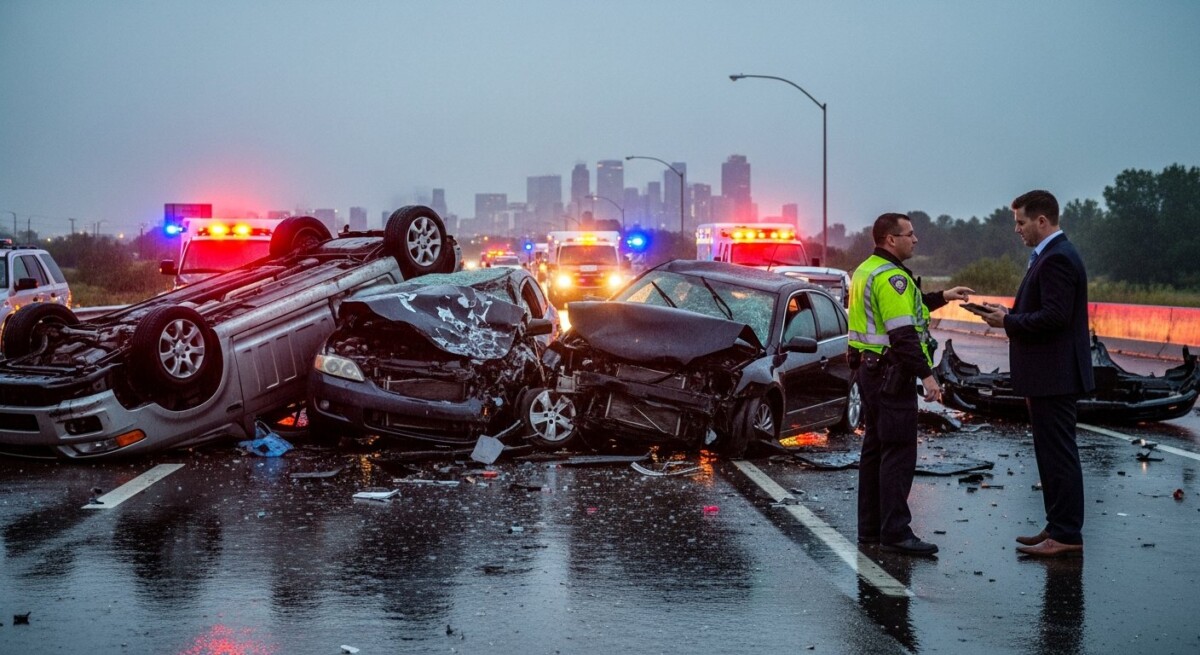
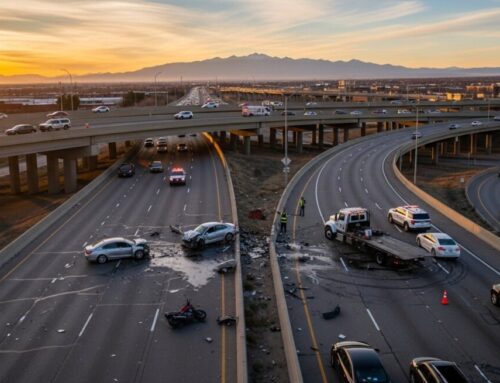
Multi-vehicle collisions in Denver create a complex web of liability, insurance claims, and serious injuries. Unlike a simple two-car accident, these pile-ups involve multiple drivers, each potentially sharing fault. Victims often face confusion about who to file against, how to prove negligence, and what their claim is worth. An experienced personal injury lawyer for multi-vehicle collisions in Denver brings the investigative resources and legal knowledge needed to untangle these cases. They analyze police reports, reconstruct the accident sequence, and negotiate with multiple insurance carriers to secure maximum compensation. Without skilled legal guidance, victims risk accepting lowball settlements or missing critical deadlines. This article explains why specialized representation matters, what steps to take after a pile-up, and how a Denver attorney can protect your rights.
Why Multi-Vehicle Collisions Are Legally Complex
Multi-vehicle collisions differ fundamentally from standard accidents. In a typical rear-end crash, fault often falls on the following driver. In a chain-reaction pile-up involving five, ten, or more vehicles, fault may be distributed among several drivers. Colorado follows a modified comparative negligence rule (CRS 13-21-111). This means you can recover damages only if you are less than 50 percent at fault. Your compensation is reduced by your percentage of fault. For example, if you are found 30 percent at fault, your $100,000 award drops to $70,000. If you are 50 percent or more at fault, you receive nothing.
Insurance adjusters exploit this complexity. They may try to pin partial blame on you to shrink your payout. An experienced personal injury lawyer for multi-vehicle collisions in Denver knows how to counter these tactics. They gather evidence such as traffic camera footage, event data recorders (black boxes), and witness statements to build a clear picture of the collision. They also work with accident reconstruction experts who can mathematically demonstrate how the crash unfolded. This evidence is crucial for assigning fault accurately and maximizing your recovery.
Common Injuries in Denver Pile-Ups
The force of multiple impacts in a pile-up often leads to severe, overlapping injuries. Victims may suffer from whiplash, traumatic brain injuries (TBIs), spinal cord damage, broken bones, internal bleeding, and soft tissue damage. Because multiple collisions occur in rapid succession, the body experiences repeated trauma. This can mask symptoms initially. For instance, a victim might feel fine after the first impact but develop neck pain or headaches days later due to a secondary collision.
Medical documentation becomes critical. An experienced personal injury lawyer for multi-vehicle collisions in Denver advises clients to seek immediate medical evaluation even if they feel fine. Doctors can document injuries early, which links them directly to the accident. This medical record is powerful evidence. Delayed treatment gives insurance adjusters an excuse to claim your injuries were pre-existing or not caused by the crash. Your lawyer will also coordinate with your healthcare providers to ensure all treatment costs are included in your claim, including future medical expenses for ongoing care or surgery.
Types of Damages You Can Claim
In a multi-vehicle collision case, you may recover economic and non-economic damages. Economic damages include medical bills, lost wages, property damage, and out-of-pocket expenses. Non-economic damages cover pain and suffering, emotional distress, loss of enjoyment of life, and disfigurement. Colorado caps non-economic damages in most personal injury cases at $613,760 for 2026 (adjusted annually for inflation). However, if your injuries are catastrophic or result in permanent disability, the cap may not apply. Your lawyer will calculate the full value of your claim, ensuring you do not settle for less than you deserve.
Punitive damages are also possible if a driver acted recklessly or intentionally. Examples include drunk driving, excessive speeding, or road rage. Punitive damages are not capped in Colorado, but they are harder to prove. An experienced personal injury lawyer for multi-vehicle collisions in Denver will investigate whether any driver exhibited gross negligence. If so, they can pursue punitive damages to punish the wrongdoer and deter similar behavior.
Steps to Take Immediately After a Multi-Vehicle Collision
Your actions in the first hours and days after a pile-up can significantly impact your case. Follow these steps to protect your health and legal rights:
- Move to a safe location if possible. If your vehicle is drivable, pull to the shoulder. If not, stay inside with your seatbelt fastened until emergency responders arrive.
- Call 911 immediately. Report the number of vehicles involved and any visible injuries. A police report is essential for your claim.
- Exchange information with all drivers. Collect names, phone numbers, insurance details, and license plate numbers. Do not discuss fault at the scene.
- Take photos and videos. Capture vehicle damage, debris, road conditions, traffic signs, and visible injuries. Also photograph the positions of all vehicles after the crash.
- Seek medical attention even if you feel fine. Some injuries like concussions or internal bleeding have delayed symptoms. A medical exam creates a baseline record.
- Do not speak to any insurance adjuster before hiring an experienced personal injury lawyer for multi-vehicle collisions in Denver. Adjusters may pressure you into a recorded statement that can be used against you later.
Once you are safe and have received medical care, contact a Denver attorney as soon as possible. The lawyer will send a spoliation letter to preserve evidence from all vehicles and nearby businesses. They will also begin investigating the crash before crucial evidence disappears. Early legal involvement often leads to stronger cases and higher settlements.
How a Denver Lawyer Investigates Multi-Vehicle Crashes
Building a successful claim for a multi-vehicle collision requires a methodical investigation. Your lawyer will start by obtaining the official police report. However, police reports are not always completely accurate. Officers may not have time to interview every witness or analyze every factor. Your attorney will conduct their own investigation, which may include:
- Reviewing traffic camera footage from intersections, highways, and nearby businesses. In Denver, many intersections have red-light cameras, and CDOT operates traffic cameras on major highways like I-25 and I-70.
- Subpoenaing event data recorders (EDRs) from involved vehicles. EDRs capture speed, braking, steering, and impact data seconds before a crash.
- Interviewing independent witnesses. Bystanders or other motorists not involved in the crash can provide unbiased accounts.
- Hiring accident reconstruction experts. These specialists use physics and engineering principles to simulate the collision and determine how it happened.
- Reviewing cell phone records. If a driver was texting or using a phone at the time of the crash, those records can prove distraction.
This thorough approach allows your experienced personal injury lawyer for multi-vehicle collisions in Denver to identify all potentially liable parties. In some cases, liability extends beyond drivers. For example, if a commercial truck caused the pile-up, the trucking company may be vicariously liable. If a defective road design contributed, the government entity responsible for maintenance could be named. Your lawyer will explore every angle to maximize your recovery.
Dealing with Multiple Insurance Companies
One of the biggest challenges in multi-vehicle collision cases is managing multiple insurance claims. Each driver’s insurance policy may apply. You may also have your own underinsured/uninsured motorist (UM/UIM) coverage. Insurance companies often try to point fingers at each other to delay or deny payment. An experienced personal injury lawyer for multi-vehicle collisions in Denver handles all communication with insurers on your behalf. They ensure that each carrier pays its share of damages according to each driver’s percentage of fault.
Your lawyer will also evaluate whether you have a valid UM/UIM claim. If one of the at-fault drivers has insufficient insurance, your own policy may cover the difference. Colorado requires drivers to carry at least $25,000 in bodily injury liability per person and $50,000 per accident. However, many drivers carry only minimum limits. In a serious pile-up with multiple injuries, these limits may be exhausted quickly. Your lawyer will identify all available coverage sources to ensure you are fully compensated.
If the insurance companies refuse to offer a fair settlement, your lawyer will prepare to file a lawsuit. Colorado’s statute of limitations for personal injury claims is two years from the accident date. However, it is wise to act sooner. Evidence degrades, witnesses move, and memories fade. A lawsuit also triggers the discovery process, which allows your lawyer to request documents and depositions from all parties. Most multi-vehicle collision cases settle before trial, but having a lawyer with trial experience puts pressure on insurers to offer a reasonable number.
For more insights on similar cases, see our guide on Top Lawyer for Vehicle Collision Injuries in Jacksonville for strategies that apply across jurisdictions. Also, review our analysis of Multi-Vehicle Collision Claims in Boston: Legal Help for comparison with how other states handle these complex claims.
What to Look for in a Denver Personal Injury Lawyer
Not all personal injury lawyers have the experience needed for multi-vehicle collisions. When choosing an attorney, consider these factors:
- Track record with multi-vehicle cases. Ask how many pile-up cases the lawyer has handled and what results they achieved.
- Resources for investigation. A small firm may lack the budget for accident reconstruction experts or video analysis. Larger firms or those with strong networks can fund these expenses upfront.
- Knowledge of Colorado law. The lawyer must understand Colorado’s comparative negligence rule, damage caps, and insurance requirements specific to multi-vehicle accidents.
- Communication style. You want a lawyer who explains complex legal concepts in plain language and returns your calls promptly.
- Contingency fee arrangement. Most personal injury lawyers work on a contingency basis, meaning you pay nothing unless they recover money for you. Ensure the fee agreement is clear about what percentage they take and what costs are deducted.
An experienced personal injury lawyer for multi-vehicle collisions in Denver will offer a free initial consultation. Use this meeting to ask about their experience with cases similar to yours. Also ask who will handle your case day-to-day. In some firms, a senior partner may handle the initial meeting, but a junior associate manages the file. You want to know who you will be working with directly.
Frequently Asked Questions
How long do I have to file a claim after a multi-vehicle collision in Denver?
Colorado’s statute of limitations for personal injury is two years from the accident date. For property damage claims, the limit is three years. Missing these deadlines generally bars you from recovering compensation. Contact a lawyer immediately to ensure your claim is filed on time.
Can I still recover if I was partially at fault?
Yes, as long as you are less than 50 percent at fault. Under Colorado’s modified comparative negligence rule, your compensation is reduced by your percentage of fault. An experienced personal injury lawyer for multi-vehicle collisions in Denver can help minimize your assigned fault by presenting evidence that shifts blame to other drivers.
What if the at-fault driver has no insurance?
You may file a claim under your own underinsured/uninsured motorist (UM/UIM) coverage. Your lawyer will review your policy to determine available limits. Colorado law requires insurers to offer UM/UIM coverage, but you must have purchased it. If you did not, you may have fewer options.
How much is my case worth?
Case value depends on the severity of your injuries, the cost of medical treatment, lost income, property damage, and the degree of fault assigned to each party. Non-economic damages like pain and suffering are harder to quantify. Your lawyer will calculate a range based on similar Colorado cases and negotiate with insurers to achieve a fair result.
Do I need to go to court?
Most personal injury cases settle out of court. However, if the insurance companies refuse to offer a reasonable settlement, your lawyer may recommend filing a lawsuit. Having a lawyer with trial experience strengthens your negotiating position because insurers know you are prepared to litigate if necessary.
Take Action After a Denver Pile-Up
A multi-vehicle collision can turn your life upside down in seconds. Medical bills pile up, you miss work, and the legal process feels overwhelming. You do not have to navigate this alone. An experienced personal injury lawyer for multi-vehicle collisions in Denver has the skills and resources to handle the investigation, negotiations, and court proceedings while you focus on recovery. They work on a contingency basis, so there is no upfront cost. Call 833-227-7919 today for a free, no-obligation consultation. Let a legal professional protect your rights and fight for the compensation you deserve.
For additional information, see our guide on Top Lawyers for Vehicle Collision Injuries in Atlanta which covers similar strategies in another major city. Also, our article on Multi-Vehicle Collision Claims in Boston: Legal Help provides useful comparisons for handling multi-party claims.