
How Much Does a DUI Cost in Pennsylvania Total?
See how much does a DUI cost in Pennsylvania total, from fines to insurance hikes. Call 8332791850 for a free case review and clear answers.

By Maribel Frost
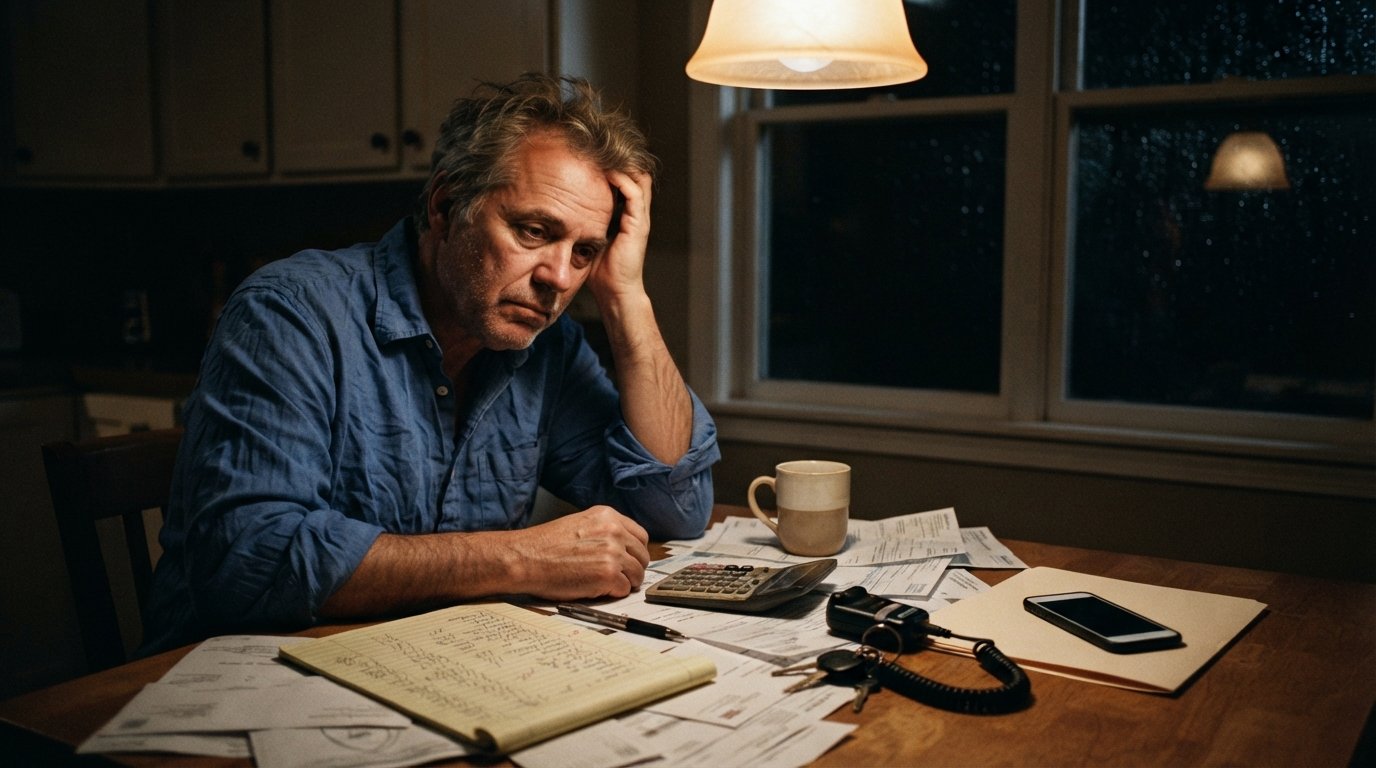
A single DUI arrest in Pennsylvania can unravel your finances faster than almost any other legal problem you will ever face. The court fine might look manageable on paper, but the real number climbs through mandatory assessments, license restoration fees, insurance surcharges, ignition interlock leases, and lost wages. Many first-time offenders are shocked to learn that the true total often lands between $5,000 and $15,000, and repeat offenses can push past $50,000 once enhanced penalties and civil damages enter the picture. Understanding how much does a DUI cost in Pennsylvania total starts with mapping every category of expense, from the night of the arrest to the years of higher premiums that follow.
Why the Sticker Price of a DUI Is Misleading
When people search for the cost of a DUI, they usually find a list of fines pulled from the Pennsylvania Vehicle Code. That list is accurate but incomplete. A first-offense DUI with a high blood alcohol concentration carries a fine of $1,000 to $5,000, while a lower-tier first offense may only cost $300. Those figures represent just one line item on a much longer invoice that includes court costs, mandatory highway safety school, alcohol treatment, attorney fees, and administrative penalties from PennDOT.
The hidden costs are what turn a $300 fine into a five-figure financial event. Pennsylvania law requires an ignition interlock device for many offenders, and that device must be leased, installed, calibrated, and eventually removed, with each step generating its own charge. Insurance companies also treat a DUI as a major underwriting risk, which means your premiums can double or triple for three years or longer. None of those numbers appear in the statute, yet they dominate the real-world total.
There is also the question of collateral consequences. A suspended license can cost you a job, a promotion, or the ability to drive your children to school. If your employment depends on driving, the lost income may dwarf every court fee combined. That is why any honest answer to how much does a DUI cost in Pennsylvania total has to include economic harm, not just government charges.
Breaking Down the Mandatory Court and Administrative Costs
Pennsylvania organizes DUI penalties into three tiers based on blood alcohol content and prior offenses: general impairment (0.08 to 0.099 percent), high rate (0.10 to 0.159 percent), and highest rate (0.16 percent and above) or controlled substance involvement. Each tier carries different fines, but the ancillary fees apply across the board. A typical first offense in the general impairment tier includes a $300 fine plus roughly $100 to $200 in court costs, while the highest tier starts at $1,000 and can reach $5,000.
Beyond the fine itself, the court will impose a series of mandatory add-ons. These are not optional and cannot be waived by a sympathetic judge. They include:
- Highway safety school fee of approximately $200 to $300, required within a set window after sentencing
- Alcohol and drug evaluation costing $100 to $200, followed by any recommended treatment at $500 to $3,000
- License restoration fee of $55 to $105 paid to PennDOT before driving privileges return
- Ignition interlock installation and monthly lease fees totaling $1,000 to $2,000 per year
- Court supervision or probation fees that can run $30 to $60 per month for up to two years
Add those items together and a first offense that looked like a $300 problem becomes a $3,000 to $6,000 problem before attorney fees even enter the conversation. For a second offense within ten years, fines jump to $300 to $2,500 depending on tier, license suspension extends to 12 or 18 months, and interlock requirements become mandatory for all offenders rather than just the highest tier. Third offenses escalate into misdemeanor territory with fines up to $5,000, a one-year minimum license suspension, and possible jail time.
PennDOT also charges a restoration fee each time you reinstate your license, and if you are caught driving while suspended, that fee multiplies along with new criminal charges. The administrative layer exists independently of the criminal case, which means even a favorable plea deal will not eliminate it.
Attorney Fees and the Value of Early Representation
Defense attorney fees in Pennsylvania vary widely by county and experience level. A straightforward first-offense DUI in a rural county might cost $1,500 to $3,000 in flat fees. The same charge in Philadelphia, Allegheny County, or a suburban jurisdiction with aggressive prosecution can run $3,500 to $7,500. Cases involving accidents, injuries, or felony charges climb higher, often $10,000 or more.
Some attorneys charge hourly rates between $200 and $400, which means the final bill depends heavily on how many hearings and motions the case requires. Others offer flat fees that cover the entire matter through sentencing. Either way, the fee is usually the single largest line item in the criminal portion of the total cost.
It is tempting to skip the attorney and plead guilty to save money, but that strategy frequently backfires. An experienced defender can challenge the traffic stop, question the calibration of the breath testing device, or negotiate a plea to a lesser charge such as reckless driving. Those outcomes can preserve your license, keep interlock out of your car, and prevent the insurance surcharge that follows a DUI conviction for three years. In many cases, the attorney fee pays for itself several times over through avoided collateral costs.
If you are trying to understand what happens in a related scenario, such as whether a DUI can be charged as a felony in another state, our guide on si un DUI en Alabama es un delito grave explains how aggravating factors change the stakes. The same logic applies in Pennsylvania: prior offenses, injuries, and high blood alcohol readings all push a case toward more serious charges and higher total costs.
Insurance Rate Increases: The Longest-Lasting Expense
The insurance surcharge is often the most expensive part of a DUI, and it does not appear on any court document. Pennsylvania insurers view a DUI conviction as a signal of high risk, and they respond by raising premiums or canceling the policy outright. Most carriers will keep the surcharge on your record for three years, though some extend it to five.
A driver paying $1,200 per year before the DUI might see that figure jump to $2,400 or $3,600 afterward. Over three years, the difference alone can reach $4,000 to $7,000. If your insurer cancels you, you may be forced into the assigned risk pool, where minimum coverage can cost two to three times the standard rate. SR-22 filings, required for high-risk drivers in some situations, add another $15 to $50 per month.
These increases follow you even if you change carriers, because the conviction remains on your driving record and is visible to every insurer that pulls your motor vehicle report. Only after the lookback period expires does the surcharge fall away, and even then your rates may not return to their previous level.
Ignition Interlock and Other Recurring Costs
Pennsylvania's ignition interlock law requires many DUI offenders to install a breath alcohol ignition interlock device before they can drive legally. The device prevents the car from starting if the driver's breath sample registers above a set threshold. It sounds simple, but the cost structure is layered.
Installation typically runs $100 to $250. Monthly lease and monitoring fees range from $70 to $120. Calibration appointments every 60 to 90 days cost $50 to $100 each. At the end of the required period, usually 12 months for a first offense and longer for repeat offenses, removal costs another $100 to $200. A single year with an interlock can easily total $1,200 to $2,000, and the device must be serviced on schedule or the vendor reports a violation to the court.
There are also indirect costs. The device can damage the vehicle's electrical system, and some employers prohibit interlock-equipped vehicles on their property. If you drive a company car, you may be unable to use it at all, which creates transportation problems that ripple into your work life.
Lost Wages, Treatment, and Personal Consequences
Court appearances, attorney meetings, treatment sessions, and interlock calibration appointments all take time away from work. A first offense might require four to six appearances, each costing half a day or more. For an hourly worker, that can mean $500 to $2,000 in missed pay. For a salaried employee, it may mean unpaid leave or lost advancement opportunities.
Mandatory alcohol treatment adds both direct cost and time commitment. An evaluation leads to a recommendation, and that recommendation can range from a few education classes to months of outpatient counseling. Outpatient programs cost $500 to $3,000, while inpatient rehabilitation can exceed $10,000. The court requires proof of completion, so skipping treatment is not an option.
There is also the professional damage. A DUI conviction appears on background checks, which can affect licensing for nurses, teachers, realtors, and commercial drivers. Some employers terminate workers who lose their driving privileges, and others pass over candidates with criminal records. The lifetime earnings impact is difficult to quantify but very real.
If you were injured by a drunk driver rather than charged with the offense, the financial picture changes entirely. You may be entitled to compensation for medical bills, lost wages, and pain and suffering. A service like FreeLegalCaseReview can connect you with attorneys who handle those claims and explain what your case may be worth.
Estimating Your Total: A Practical Framework
Because every case is different, the best way to estimate your total is to build the number category by category. Start with the criminal penalties, add the administrative fees, layer in attorney costs, then project insurance and interlock expenses over the full lookback period. The result is usually far higher than the fine alone suggests.
Here is a realistic range for a first-offense DUI in Pennsylvania with no accident or injury:
- Court fines and costs: $400 to $5,200 depending on blood alcohol tier
- Attorney fees: $1,500 to $7,500 depending on county and complexity
- License restoration, safety school, and treatment: $800 to $3,500
- Ignition interlock for 12 months: $1,200 to $2,000
- Insurance increases over three years: $3,000 to $7,000
- Lost wages and incidental expenses: $500 to $3,000
That produces a realistic total of roughly $7,400 to $28,200, with a typical middle range around $10,000 to $15,000. Second and third offenses push the upper bound well past $50,000 when longer suspensions, mandatory jail time, and felony exposure are factored in. Cases involving accidents and injuries add civil liability that can reach six or seven figures.
Understanding how much does a DUI cost in Pennsylvania total is ultimately about seeing the full timeline, not just the day of sentencing. The fine is a single payment; the insurance surcharge and lost opportunities can follow you for years. Budgeting for the entire arc, rather than the headline number, is what keeps a bad night from becoming a financial crisis.
If you are facing charges or trying to recover damages from a drunk driving crash, a free case evaluation can clarify your options before you commit to any course of action. Knowing the likely total cost, and the defenses or claims available to you, is the first step toward protecting your finances and your future.