
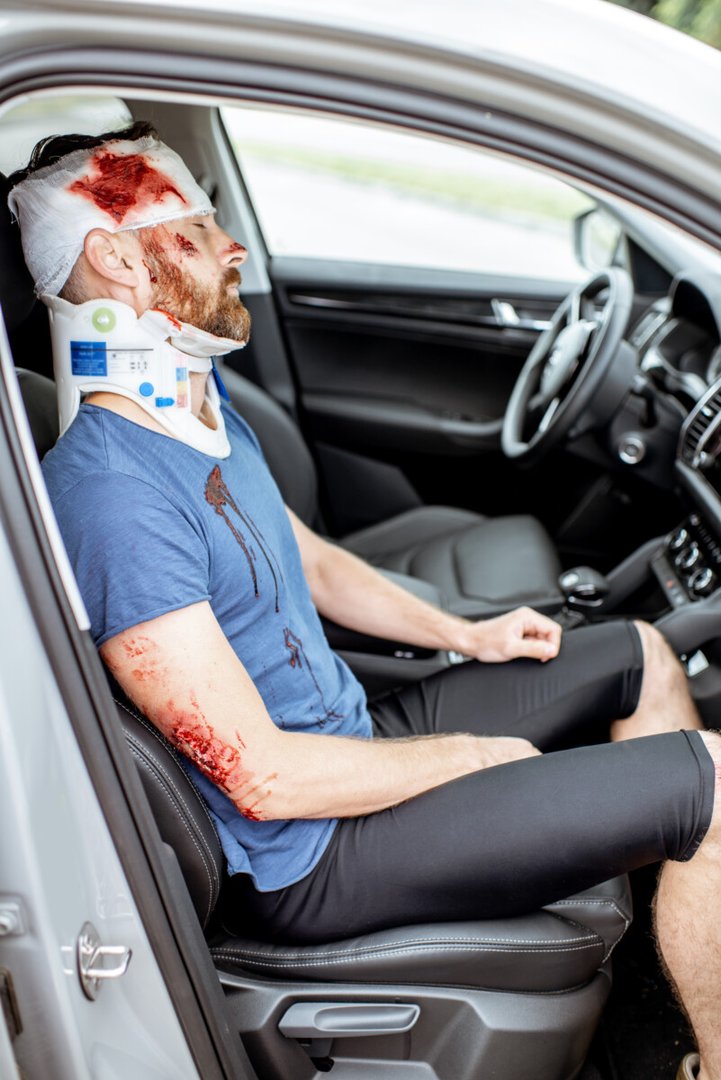
Injured in a Motor Vehicle Accident: What to Do After a Crash
Proper ICD-10 coding for motor vehicle accident injuries is crucial for insurance claims and legal cases. Learn how accurate codes establish causation and maximize your compensation recovery.

By Sandy Grossman
In the aftermath of a car crash, individuals injured in a motor vehicle accident face a path to physical recovery and fair compensation that is paved with precise documentation. One of the most critical, yet often overlooked, elements of this process is the correct medical coding of injuries. Using the wrong code can delay treatment approvals, complicate insurance claims, and even weaken a legal case. For healthcare providers, legal professionals, and those injured in a motor vehicle accident, understanding the ICD-10 coding system for accident-related injuries is essential. This standardized language dictates how injuries are communicated to insurers, government agencies, and courts, transforming the details of the accident into a structured, universally understood medical and legal record.
The Critical Role of ICD-10 Codes in Accident Claims
ICD-10, or the International Classification of Diseases, 10th Revision, is the global standard for diagnosing and classifying health conditions. Following a motor vehicle collision, these codes serve a dual purpose. Medically, they ensure accurate patient records and facilitate proper treatment. Legally and financially, they are the linchpin of the claims process. Insurance companies, Medicare, Medicaid, and personal injury attorneys rely on these specific alphanumeric codes to determine the nature, severity, and causation of injuries. An imprecise or generic code can lead to claim denials, underpayment, or disputes over whether an injury is directly related to the accident event.
This specificity is paramount. A code for a generic “neck sprain” carries less weight than a precise code for a “whiplash injury associated with a driver of a three-wheeled motor vehicle injured in collision with a car.” The latter provides undeniable context, directly linking the mechanism of injury to the event. For a successful personal injury claim, your medical records must consistently use codes from the V00-V99 range (External causes of morbidity) to specify the accident type, alongside codes from Chapter 19 (Injury, poisoning and certain other consequences of external causes, S00-T88) to detail the physical injury itself. This combination creates an irrefutable chain of documentation. For a foundational understanding of the immediate steps that support this documentation, refer to our guide on what to do after a motor vehicle accident.
Navigating the ICD-10 Coding Structure for MVAs
The ICD-10 system uses a logical hierarchy. The first step is identifying the correct codes from Chapter 19, which describe the injury’s nature. These codes, beginning with ‘S’ or ‘T’, specify the body part injured and the type of injury (e.g., fracture, laceration, concussion). The seventh character extension is crucial here, indicating the encounter type (initial, subsequent, or sequela) which tracks the stage of care.
The second, and equally vital, step is applying a code from the V00-V99 series to denote the external cause. For motor vehicle accidents, this primarily falls under V40-V79 (Car occupant injured in transport accident), with further specificity based on the victim’s role and the type of collision. The codes capture detailed scenarios that are fundamental to establishing liability and context.
- V43.52xA: Driver of car injured in collision with another car in a nontraffic accident, initial encounter.
- V49.40xA: Car driver injured in collision with unspecified motor vehicles in traffic accident, initial encounter.
- V03.10xA: Pedestrian on foot injured in collision with car, nontraffic accident, initial encounter.
- V23.4xxA: Motorcycle passenger injured in collision with car, initial encounter.
Using both code sets together is non-negotiable. For instance, a fractured femur (S72.301A) suffered by a driver in a collision with a pickup truck would be paired with V43.62xA. This pairing tells the complete story. Understanding how this coded story translates into a legal demand is critical, which is explored in depth in our article on claiming compensation for a motor vehicle accident.
Common Coding Pitfalls and Their Consequences
Errors in ICD-10 coding are alarmingly common and can derail a claim. One major pitfall is using only the injury code (S/T code) without the corresponding external cause code (V code). This omission leaves insurers and legal adversaries to question how the injury occurred, opening the door for them to argue it was from a pre-existing condition or an unrelated event. Another frequent mistake is using an unspecified code when a more specific one is available. “Unspecified car accident” codes may be used initially if details are unclear, but they should be updated as soon as the accident report is available.
Incorrect seventh characters are another source of trouble. Using an “initial encounter” code for a follow-up visit flags inconsistencies in the medical record. Perhaps the most damaging error is a mismatch between the coded injury and the treatment provided or the patient’s reported symptoms. If the code indicates a minor sprain but the patient undergoes MRI scans, physical therapy three times a week, and misses months of work, the insurance adjuster will immediately spot a red flag, alleging treatment is not medically necessary for the diagnosed condition. This discrepancy can be used to lowball settlement offers or deny claims outright.
How Accurate Coding Strengthens Your Legal Position
From a legal perspective, precise ICD-10 coding is a form of objective evidence. It corroborates the victim’s testimony and the police report, creating a consistent, medically-sanctioned narrative. In settlement negotiations and at trial, clear codes demonstrate the direct causation between the defendant’s negligence and the plaintiff’s specific injuries. They help quantify the severity of harm, which is directly tied to the valuation of both economic damages (medical bills, lost wages) and non-economic damages (pain and suffering).
Your attorney will meticulously review all medical records and bills to ensure coding accuracy. If errors are found, they will work with your healthcare providers to issue corrected superbills and records. This proactive review prevents the defense from exploiting coding weaknesses. Furthermore, accurate coding is essential for meeting the burden of proof in a personal injury lawsuit. It transforms subjective complaints of pain into a standardized, diagnosable condition with a clear origin. The legal strategies built upon this evidence are complex, and understanding the broader motor vehicle accident law landscape is vital for a successful outcome.
Frequently Asked Questions on ICD-10 and Accident Injuries
Who is responsible for assigning the correct ICD-10 codes?
Medical billing and coding professionals at your healthcare provider’s office are primarily responsible, using the diagnosis provided by your physician. However, you and your attorney should verify their accuracy, as errors directly impact you.
Can ICD-10 codes be changed after they are submitted?
Yes. If an error is discovered, healthcare providers can submit corrected claims with updated codes. It’s a process known as an adjustment or re-submission, but it may cause delays.
Do I need to know these codes myself?
While you don’t need to memorize codes, you should understand their importance. Provide your medical providers and attorney with a clear, consistent account of the accident and your injuries to ensure the codes generated are precise.
What if my pre-existing condition was aggravated by the accident?
ICD-10 has specific codes and guidelines for pre-existing conditions. Your provider should code both the pre-existing condition and the new injury or exacerbation, using the external cause code to link the aggravation to the accident.
How long are these codes used in my records?
ICD-10 codes become a permanent part of your medical and billing history. They will be referenced any time your care related to the accident is reviewed, including for future insurance applications or disability claims.
The journey from collision to closure is complex, filled with medical appointments, insurance forms, and legal procedures. At the heart of this journey lies the unassuming ICD-10 code. Treating it as a mere billing formality is a grave mistake. By recognizing its power and ensuring its precision, you protect the integrity of your medical treatment and build an undeniable foundation for your legal right to full and fair compensation. Your recovery, both physical and financial, may well depend on the accuracy of these few letters and numbers.
It costs nothing to know your rights—get your free legal review at LegalCaseReview.com or call 📞 (833) 670-8682.