
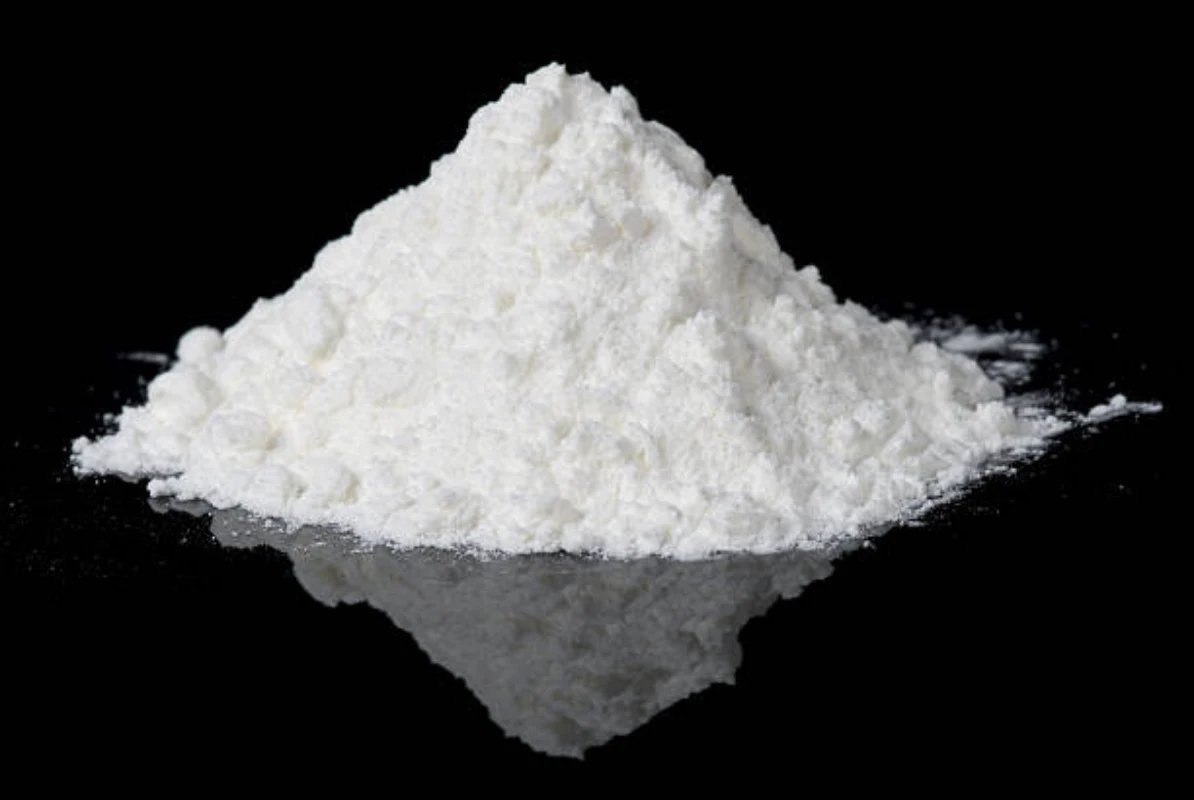
Is Your Ovarian Cancer Linked to Talcum Powder?
This article delves into the question, Is Your Ovarian Cancer Linked to Talcum Powder? It examines the potential risks associated with talcum powder use, discusses research findings, and provides guidance for women concerned about their health and legal options.

By Sophia Bennett
Ovarian Cancer and Its Risk Factors
Ovarian cancer remains a serious health concern for many women, originating in the ovaries and often diagnosed at advanced stages. Various risk factors contribute to its development, making awareness crucial for early detection. Age plays a significant role, with women over 50 facing a higher risk. Additionally, a family history of ovarian or breast cancer increases susceptibility, particularly for those carrying BRCA1 or BRCA2 gene mutations. Reproductive history also influences ovarian cancer risk. Women who have never been pregnant or had children later in life may face a higher likelihood of developing the disease. Another potential concern is the prolonged use of hormone replacement therapy, which some studies suggest could contribute to increased risk levels. A rising topic of discussion is the potential connection between talcum powder and ovarian cancer. Research has suggested that talc particles used in the genital area might travel through the reproductive system, possibly leading to inflammation and carcinogenic changes. Although studies have produced mixed results, the controversy remains a point of concern for consumers and health professionals alike.
Ready to connect with top legal professionals? Get immediate support— Call us at 877-550-8911.
The Role of Talcum Powder in Ovarian Cancer Cases
The ongoing debate about talcum powder’s safety has led to multiple research studies and lawsuits. Many women who used talcum powder for personal hygiene are now questioning its potential connection to ovarian cancer. Some scientific findings suggest that talc particles can migrate to the ovaries, causing chronic inflammation that may lead to cancerous growths. A study published in the journal Epidemiology found that women who frequently used talcum powder in the genital area had a 30 to 60 percent higher chance of developing ovarian cancer than non-users. However, conflicting research has prevented definitive conclusions, necessitating further investigation. Women concerned about talcum powder exposure should take the following steps:- Discuss concerns with a healthcare provider, especially if there is a family history of ovarian cancer.
- Consider using alternatives such as cornstarch-based powders.
- Stay updated on new research and potential product recalls.
Research Findings on Talcum Powder and Ovarian Cancer
For decades, researchers have examined whether talcum powder plays a role in ovarian cancer. Some studies indicate that talc, a mineral found in many cosmetic and hygiene products, may contain trace amounts of asbestos—a known carcinogen. Although modern cosmetic-grade talc is required to be asbestos-free, historical contamination raises concerns about past exposure. The Food and Drug Administration (FDA) has acknowledged the need for further investigation but has not banned talc-containing products. Meanwhile, organizations such as the American Cancer Society recommend caution when using talcum powder, particularly in the genital area. A notable case study from The Lancet Oncology highlighted that some ovarian tumors contained talc particles, supporting concerns about prolonged exposure. Still, regulatory bodies require more conclusive evidence before making definitive policy changes. For an external perspective, the National Cancer Institute provides comprehensive updates on ongoing studies related to ovarian cancer risks.Symptoms of Ovarian Cancer You Should Not Ignore
Ovarian cancer is often called a silent disease because its symptoms can be subtle and mistaken for less severe conditions. However, recognizing these signs early can improve treatment outcomes. Common symptoms include:- Persistent bloating or abdominal swelling
- Pelvic pain or discomfort
- Difficulty eating or feeling full quickly
- Frequent or urgent urination
Legal Actions and Talcum Powder Lawsuits
Thousands of lawsuits have been filed against major talcum powder manufacturers, alleging that their products contributed to ovarian cancer cases. Plaintiffs argue that companies failed to warn consumers about potential health risks associated with long-term talc use. One of the most high-profile cases resulted in a jury awarding $4.69 billion to 22 women who developed ovarian cancer after using talcum powder products. Other significant settlements continue to emerge, with courts weighing scientific evidence and corporate accountability. If you or a loved one believe that ovarian cancer may be linked to talcum powder use, consulting an experienced attorney can help determine eligibility for legal action. Gathering medical records, documenting product usage, and staying informed about ongoing lawsuits are critical steps in seeking justice.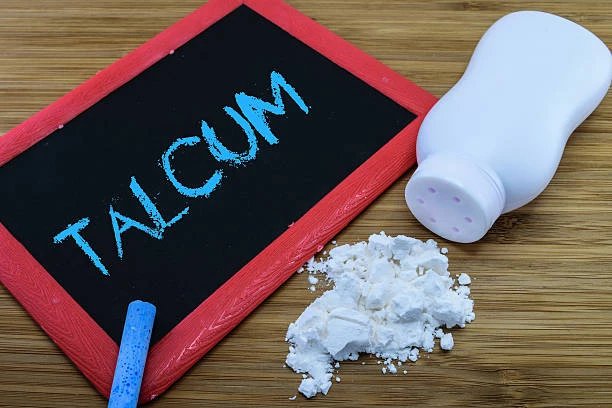
Talcum Powder Safety: What You Should Know
Talcum powder has been a staple in personal care products for years due to its moisture-absorbing properties. However, growing concerns about its safety have prompted many consumers to seek alternatives. Important considerations include:- Talc Composition: Talc is composed of magnesium, silicon, and oxygen. While modern talc is supposed to be asbestos-free, past contamination has raised long-term exposure concerns.
- Regulatory Oversight: The FDA monitors talcum powder but has not issued an outright ban. Companies are encouraged to ensure their products meet safety standards.
- Alternative Options: Those looking for safer substitutes can opt for cornstarch-based powders or other natural alternatives that eliminate potential risks associated with talc.
Steps to Take If You Suspect a Link to Ovarian Cancer
If you are concerned that your ovarian cancer may be linked to talcum powder use, taking proactive steps is crucial:- Consult a Healthcare Professional – Discuss your medical history and concerns with a doctor who can guide you through necessary screenings and risk assessments.
- Document Product Usage – Keep track of how often you used talcum powder, including brand names and duration of use.
- Seek Legal Advice – If considering a lawsuit, contact an attorney specializing in product liability cases for a case evaluation.
- Stay Informed – Follow new research developments and regulatory changes to make educated decisions about personal care products.
- Explore Support Networks – Connecting with advocacy groups and online communities can provide emotional and legal guidance.
FAQs
1. Does every talcum powder product contain asbestos? No, cosmetic-grade talcum powder is supposed to be asbestos-free. However, contamination has occurred in the past, leading to safety concerns. 2. What are the symptoms of ovarian cancer linked to talcum powder? Symptoms include bloating, pelvic pain, changes in appetite, and frequent urination. If these persist, seek medical advice. 3. Can I still use talcum powder safely? While research is inconclusive, using cornstarch-based powders may be a safer alternative for personal hygiene. 4. How can I determine if I qualify for a lawsuit? If you have used talcum powder and developed ovarian cancer, consulting a legal expert can help assess your case. 5. Where can I find more information on ovarian cancer research? Visit the National Cancer Institute for the latest studies and updates on ovarian cancer research.Don’t wait to secure the legal representation you deserve. Visit Legal Case Review today for free quotes and tailored guidance, or call 877-550-8911 for immediate assistance.