Mass Tort Cases Explained, From Class Actions to Settlements
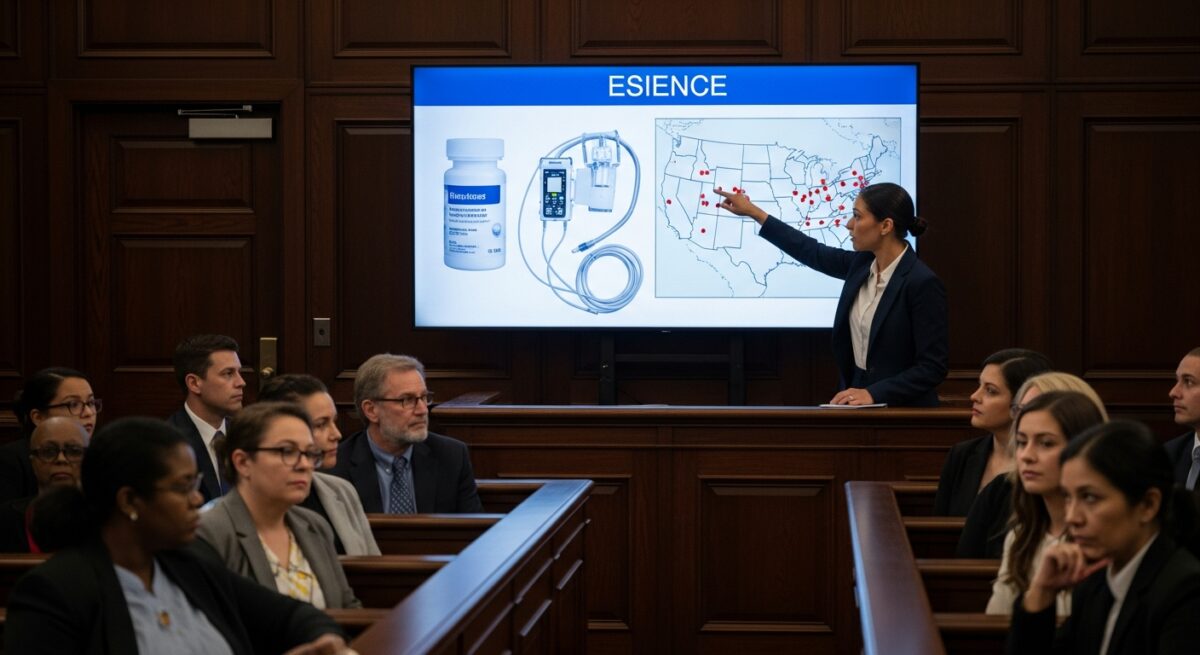
When a single dangerous drug, defective medical device, or widespread environmental contaminant injures thousands of people across the country, the traditional legal system faces a monumental challenge. Individual lawsuits would overwhelm the courts and create inconsistent outcomes. This is where mass tort cases emerge as a powerful legal mechanism. Unlike a standard class action lawsuit, which consolidates many similar small claims into one case, mass torts are a collection of individual lawsuits centralized for efficiency while preserving the unique details of each plaintiff’s harm. They represent a critical pathway to justice and compensation for those harmed by corporate negligence on a massive scale.
Understanding the Core of Mass Tort Litigation
A mass tort is a civil action involving numerous plaintiffs who have suffered similar injuries from the same product or action of one or a few defendants. The key distinction lies in the nature of the harm. While class action members typically suffer identical harm (like a small financial loss from a deceptive practice), mass tort plaintiffs suffer significant, but often varying, physical or financial injuries. Each case retains its individuality. The primary goal of consolidation is judicial efficiency, allowing for coordinated discovery, pretrial rulings, and sometimes bellwether trials, without forcing all plaintiffs into a single, one-size-fits-all outcome.
The process often begins when plaintiffs’ law firms identify a pattern of harm linked to a specific product, such as a pharmaceutical drug with undisclosed side effects or a hip implant prone to premature failure. These firms will investigate and begin filing individual lawsuits in federal courts across the nation. The Judicial Panel on Multidistrict Litigation (JPML) then decides whether to centralize these geographically dispersed cases into a single federal district court for pretrial proceedings. This creates an MDL, or Multidistrict Litigation. It is crucial to understand that an MDL is not a class action; it is a procedural tool for managing discovery and pretrial motions. If a global settlement is not reached, individual cases may be remanded to their original courts for trial.
Key Differences: Mass Tort vs. Class Action Lawsuits
Confusion often arises between mass torts and class actions. Both handle large groups, but their structures and implications for plaintiffs are fundamentally different. Understanding these differences is vital for anyone considering joining such litigation.
In a class action, one or a few representative plaintiffs sue on behalf of a larger, defined “class” of people. The class must be certified by a judge, and once certified, all class members are bound by the judgment or settlement unless they actively opt-out, which is rare. The settlement or award is typically divided equally or by a simple formula among class members, which works well for minor, uniform damages. In contrast, mass tort plaintiffs file individual lawsuits. They can opt into a larger settlement negotiation, but their compensation is based on the specific merits of their case, such as the severity of their injury, medical expenses, lost wages, and pain and suffering. This individualized approach is necessary when injuries range from moderate to severe or fatal.
The following points highlight the core distinctions:
- Legal Standing: Class action members are part of a single, certified lawsuit. Mass tort plaintiffs are parties to their own, separate lawsuits that are managed together.
- Compensation: Class action settlements are usually distributed via a common fund. Mass tort settlements are negotiated individually, often using a settlement matrix or grid that values different injury tiers.
- Control: In a class action, class members have little control over the litigation. In a mass tort, a plaintiff and their attorney retain more direct control over case strategy and settlement decisions.
- Outcome: A class action judgment resolves all claims for all class members. A mass tort global settlement resolves only the claims of those who choose to accept it, with others free to pursue trial.
The Lifecycle of a Major Mass Tort Case
Mass tort litigation follows a complex, multi-year path from initial filing to resolution. The journey typically involves several distinct phases, each critical to building leverage and achieving a fair outcome for plaintiffs.
The first phase is case investigation and filing. Lawyers and firms investigate potential claims, often relying on scientific studies, FDA adverse event reports, and internal company documents obtained through previous litigation. Once a sufficient number of individual lawsuits are filed in federal courts, the plaintiffs’ lawyers will petition the JPML to establish an MDL. If granted, all cases are transferred to one judge. The second phase is coordinated pretrial proceedings. This is the heart of the MDL process. The judge appoints lead counsel and steering committees from the plaintiffs’ bar to manage the litigation efficiently. Both sides engage in discovery, where the plaintiffs gain access to millions of pages of internal defendant documents, depositions of company executives, and expert witness reports. This phase is about building the collective strength of the plaintiffs’ cases.
A pivotal component of this phase is the bellwether trial process. The court, with input from both sides, selects a small group of representative cases to go to trial first. These trials serve as test cases for both sides to gauge jury reactions, assess the value of claims, and identify strengths and weaknesses in the evidence. The outcomes of bellwether trials are not binding on other plaintiffs, but they create enormous pressure for settlement. Strong plaintiff verdicts often compel the defendant to negotiate a global settlement to avoid thousands of individual trials. The final phase is settlement or remand. If a global settlement is reached, a claims administrator is appointed to evaluate each plaintiff’s claim against the settlement criteria. If no settlement is reached, individual cases may be sent back (remanded) to their original districts for separate trials.
Common Examples and Current Mass Tort Litigation
Mass tort cases often arise from sectors where products are used by millions, and a design flaw or failure to warn can cause widespread harm. Pharmaceutical drugs and medical devices are the most common sources. Litigation has targeted drugs like Vioxx, Accutane, and more recently, diabetes medications linked to specific cancers. In the medical device arena, metal-on-metal hip implants, transvaginal mesh, and certain intrauterine devices (IUDs) have spawned massive MDLs.
Environmental and toxic exposure cases also form a major category. These include litigation over water contamination from industrial chemicals (like the Camp Lejeune water contamination), asbestos exposure, and pesticide/herbicide claims. For instance, the ongoing litigation against Monsanto/Bayer regarding its Roundup herbicide alleges that the product causes non-Hodgkin’s lymphoma. Consumer product defects, such as faulty ignition switches in automobiles or flammable building materials, also lead to mass torts. The scale and public impact of these cases make them a primary tool for holding large corporations accountable and driving safer product development. For a closer look at how these cases develop in specific regions, you can explore recent mass tort cases in South Carolina as a representative example.
Frequently Asked Questions
How do I know if I have a potential mass tort claim?
If you have suffered a significant injury (physical or severe financial) and you suspect it was caused by a prescription drug, medical device, or consumer product that is the subject of widespread news or litigation, you may have a claim. The first step is to consult with a law firm that specializes in mass tort litigation. They can review your medical history and the specifics of your case.
What does it cost to join a mass tort lawsuit?
Virtually all mass tort attorneys work on a contingency fee basis. This means you pay no upfront legal fees. The attorney’s fee, typically a percentage of any recovery, is only collected if you receive a settlement or trial award. Court costs and expenses are usually advanced by the law firm and deducted from the recovery as well.
How long does a mass tort case take to resolve?
These are complex cases that can take several years from filing to resolution. The timeline depends on the stage of the MDL, the number of cases, the defendant’s strategy, and whether bellwether trials are needed to push the parties toward settlement. Patience is a necessary component of this type of litigation.
If I join, will I have to go to court or testify?
Most plaintiffs in mass torts do not go to trial. The vast majority of cases settle during the MDL process. You may, however, need to provide a deposition (sworn testimony outside of court) about your injuries and product use, and you will need to provide thorough medical records and other documentation to support your claim for compensation. For deeper insights into the strategic considerations of such legal actions, Read full article on related legal strategies and processes.
Mass tort litigation serves as an indispensable check on corporate power and a beacon of hope for individuals who would otherwise stand alone against vast resources. By consolidating resources and evidence, it levels the playing field, driving both accountability and compensation. For those harmed by widely distributed products, understanding this complex legal avenue is the first step toward seeking the justice and financial recovery needed to rebuild their lives. The path is lengthy and intricate, but the collective action it enables remains a cornerstone of the modern civil justice system.