Partial Fault Car Accident Compensation in Phoenix
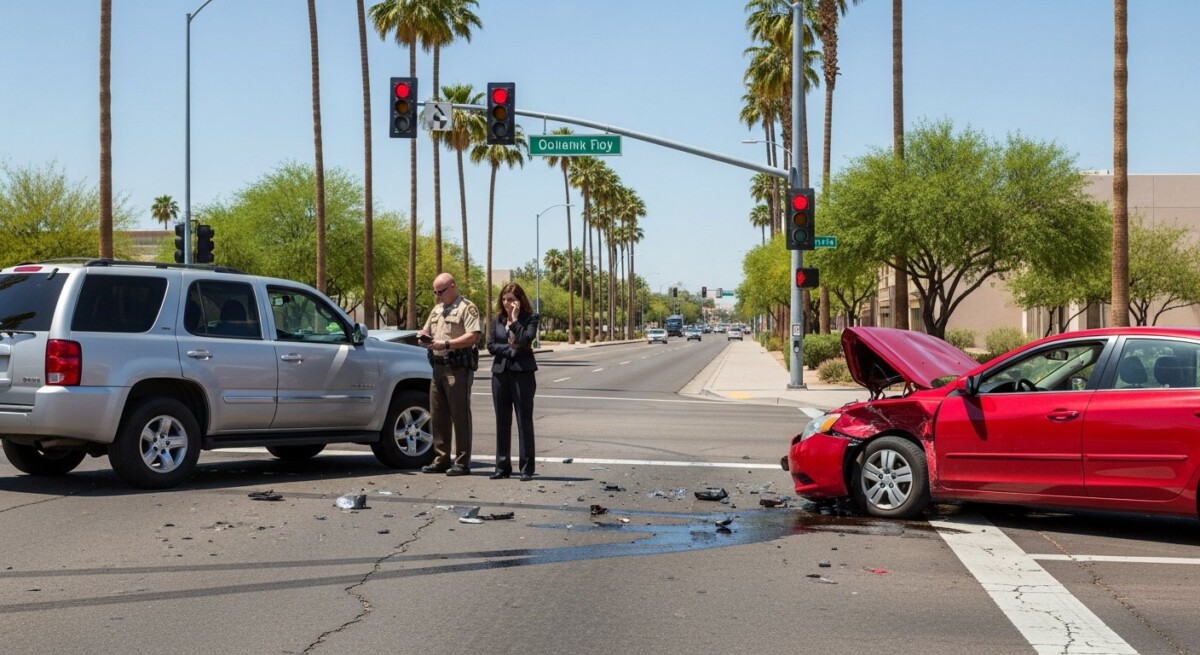
You are driving through a busy Phoenix intersection when another driver runs a red light and hits your car. The police report later notes that you were going slightly over the speed limit. You wonder: can I still get compensation if I was partially at fault for the car accident in Phoenix? The short answer is yes, but the amount you receive depends on Arizona’s legal rules about shared fault. This article explains how partial fault affects your claim, what steps you should take, and how to protect your right to compensation.
Understanding Arizona’s Comparative Negligence Rule
Arizona follows a strict legal doctrine called pure comparative negligence. This means that even if you are partially responsible for causing a car accident, you can still recover damages. Your compensation is simply reduced by your percentage of fault. For example, if a jury finds you 30 percent at fault for the crash and your total damages are $100,000, you would receive $70,000. This rule applies in Phoenix and throughout the state.
Under pure comparative negligence, there is no bar to recovery even if you are 99 percent at fault. You would still receive 1 percent of your damages. This is different from modified comparative negligence states, where you cannot recover if you are 50 or 51 percent at fault. Arizona’s approach gives you a real chance to get compensation even when you made a mistake. However, the insurance company will almost certainly argue that your fault is higher than you believe. This makes it critical to build strong evidence supporting your version of events.
How Insurance Companies Evaluate Partial Fault in Phoenix
Insurance adjusters in Phoenix are trained to look for any action or inaction that could shift blame to you. Common factors they consider include distracted driving, speeding, failing to yield, or not wearing a seatbelt. The adjuster will review the police report, witness statements, and any available video footage. They will then assign a percentage of fault to each driver. This percentage directly affects the settlement offer you receive.
You should never accept the insurance company’s initial fault assessment without question. Adjusters often assign a higher percentage of fault to the other driver’s victim to reduce the payout. For instance, you might be accused of following too closely even when the other driver stopped suddenly. In our guide on compensation for anxiety after a car crash, we explain how emotional damages are also reduced by your percentage of fault. Without strong evidence, you could lose thousands of dollars.
Steps to Challenge an Unfair Fault Assignment
If you disagree with the insurance company’s fault determination, you have options. First, gather all available evidence from the scene. This includes photos of vehicle damage, skid marks, traffic signals, and road conditions. Second, obtain contact information from any witnesses who saw the crash. Third, request a copy of the police report and check for errors. Fourth, consider hiring an accident reconstruction expert if liability is heavily disputed. Finally, do not give a recorded statement to the other driver’s insurance company without legal advice. Anything you say can be used to increase your fault percentage.
Types of Compensation Available After a Partial Fault Accident
Even when you are partially at fault, you can still seek compensation for several categories of damages. These include medical expenses, lost wages, property damage, and pain and suffering. Medical expenses cover emergency room visits, hospital stays, surgeries, physical therapy, and future medical care related to the accident. Lost wages include income you missed while recovering, as well as reduced earning capacity if your injuries cause long-term disability.
Property damage covers the cost of repairing or replacing your vehicle. Pain and suffering is a non-economic damage that compensates you for physical pain, emotional distress, and reduced quality of life. Because Arizona uses pure comparative negligence, each of these damage categories is reduced by your fault percentage. For example, if your medical bills are $50,000 and you are 20 percent at fault, you can recover $40,000 for medical expenses. This is why it is essential to document every expense and every way the accident has affected your life.
The Role of Evidence in Proving the Other Driver’s Fault
Strong evidence is your best tool for minimizing your own fault percentage. Start by preserving any dashcam footage from your vehicle or nearby businesses. Phoenix has many traffic cameras and red-light cameras that may have captured the collision. Request this footage as soon as possible, because recordings are often overwritten within days. Witness statements are also powerful, especially if they corroborate your account of how the accident happened.
Medical records play a dual role in partial fault cases. They document the extent of your injuries and link them directly to the crash. If the other driver’s insurance company argues that your injuries are pre-existing or unrelated, your medical records can refute that claim. Additionally, your medical records can show that you sought treatment promptly, which strengthens your credibility. In our article on anxiety compensation after a crash, we discuss how documentation supports emotional distress claims as well.
Why You Should Hire a Phoenix Car Accident Attorney
Partial fault cases are more complex than straightforward accidents. An experienced Phoenix car accident attorney knows how to negotiate with insurance adjusters and challenge unfair fault assignments. Your attorney can gather evidence, interview witnesses, and hire experts to prove that the other driver was primarily responsible. They can also calculate the full value of your damages, including future medical costs and lost earning potential.
Most personal injury attorneys in Phoenix work on a contingency fee basis. This means you pay nothing upfront, and the attorney only gets paid if you win your case. This arrangement makes legal representation accessible even if you are worried about costs. Having an attorney also sends a signal to the insurance company that you are serious about your claim. Insurers often offer higher settlements when a lawyer is involved, because they know the case is more likely to go to trial if necessary.
What to Look for in a Phoenix Car Accident Lawyer
When choosing a lawyer, look for someone with specific experience handling partial fault cases in Arizona. Ask about their track record with comparative negligence claims. Read online reviews and check their rating with the State Bar of Arizona. Schedule a free consultation to discuss your case and assess whether you feel comfortable working with them. A good attorney will explain the legal process clearly and give you an honest assessment of your chances.
Frequently Asked Questions About Partial Fault Accidents in Phoenix
Can I still get compensation if I was partially at fault for the car accident in Phoenix? Yes, Arizona’s pure comparative negligence law allows you to recover damages even if you are partially at fault. Your compensation is reduced by your percentage of fault.
What happens if I am 50 percent at fault? You can still recover 50 percent of your damages. For example, if your total damages are $80,000, you would receive $40,000.
Does my insurance cover damages if I am partially at fault? Yes, your own insurance policy may cover damages under your personal injury protection (PIP) or collision coverage, regardless of fault. However, PIP coverage is limited and does not cover pain and suffering.
How long do I have to file a claim in Phoenix? Arizona’s statute of limitations for car accident claims is two years from the date of the accident. If you miss this deadline, you lose your right to sue.
Will my insurance rates go up if I am partially at fault? Possibly. Insurance companies often raise rates after an at-fault accident, even if you were only partially responsible. However, Arizona law limits how much rates can increase for minor violations.
Can I sue the other driver if I am partially at fault? Yes, you can file a lawsuit against the other driver. The court will determine each party’s percentage of fault and award damages accordingly.
Final Thoughts on Partial Fault Claims in Phoenix
Being partially at fault for a car accident in Phoenix does not mean you have to give up on compensation. Arizona’s pure comparative negligence rule protects your right to recover damages, even when you share some blame. The key is to act quickly, gather strong evidence, and avoid making statements that could be used against you. Insurance companies will try to maximize your fault percentage, but with the right legal strategy, you can push back and secure a fair settlement. If you have been in a crash, contact a qualified Phoenix car accident attorney to discuss your options. For a free case evaluation, call 833-227-7919 today.