
Practical Advice From a Product Liability Attorney
Get essential product liability attorney advice on proving defects, documenting evidence, and navigating complex claims. Learn how to protect your rights and maximize recovery after a dangerous product causes injury.

By Alexander Hayes
When a defective product causes a serious injury, the path to justice is rarely simple. You’re not just dealing with the pain of recovery; you’re facing a manufacturer with vast resources, complex legal theories, and teams of defense attorneys. The advice of a seasoned product liability attorney is critical to navigating this landscape, as these cases hinge on specialized knowledge of design flaws, manufacturing errors, and corporate responsibility. Understanding the foundational steps to take and the common pitfalls to avoid can mean the difference between a dismissed claim and a settlement that truly covers your long-term needs.
Understanding the Core of a Product Liability Claim
Product liability law centers on the principle that manufacturers, distributors, and sellers have a duty to ensure their products are safe for their intended use. When they fail in this duty, and that failure causes harm, they can be held legally responsible. Unlike a standard negligence claim, product liability often involves principles of strict liability, meaning you may not need to prove the manufacturer was careless, only that the product was defective and caused your injury. This is a powerful legal tool, but it requires precise application.
There are three primary legal theories under which a product liability claim is built: design defects, manufacturing defects, and failure to warn. A design defect means the product’s inherent blueprint is dangerous, making every single unit produced unreasonably unsafe. A manufacturing defect occurs when an error in the production process causes one or a batch of products to deviate from the intended, safe design. A failure-to-warn defect, or marketing defect, involves inadequate instructions or insufficient warnings about the product’s known risks. Experienced product liability attorney advice will immediately focus on identifying which theory or combination of theories applies to your situation, as this shapes the entire investigative and legal strategy.
Critical First Steps After an Injury
The moments and days following an injury are chaotic, but your actions can significantly impact the strength of your future claim. Your health is the absolute priority, so seeking immediate medical attention is non-negotiable. This not only starts your recovery but also creates an official, time-stamped record linking your injuries to the incident. Beyond medical care, your goal is to preserve evidence and document everything.
If you are physically able, take steps to secure the product and the scene. Do not alter the product in any way, such as attempting repairs. Instead, place it in a safe location. Take comprehensive photographs and videos of the product from multiple angles, any serial numbers or model information, your injuries, and the surrounding environment where the incident occurred. If there were witnesses, obtain their contact information. Keep all receipts for medical expenses, repairs, or replacement costs related to the incident. This meticulous documentation provides the tangible foundation your attorney will need.
When and How to Consult a Specialist
Time is a critical factor in product liability cases due to statutes of limitations, which vary by state and can be as short as one or two years from the date of injury. Consulting a lawyer early is not about rushing to sue; it’s about protecting your rights and allowing for a thorough investigation before evidence disappears or memories fade. The initial consultation is your opportunity to evaluate the attorney and for them to assess your case. Most reputable firms, like those handling product liability defect lawsuits, offer this meeting at no cost.
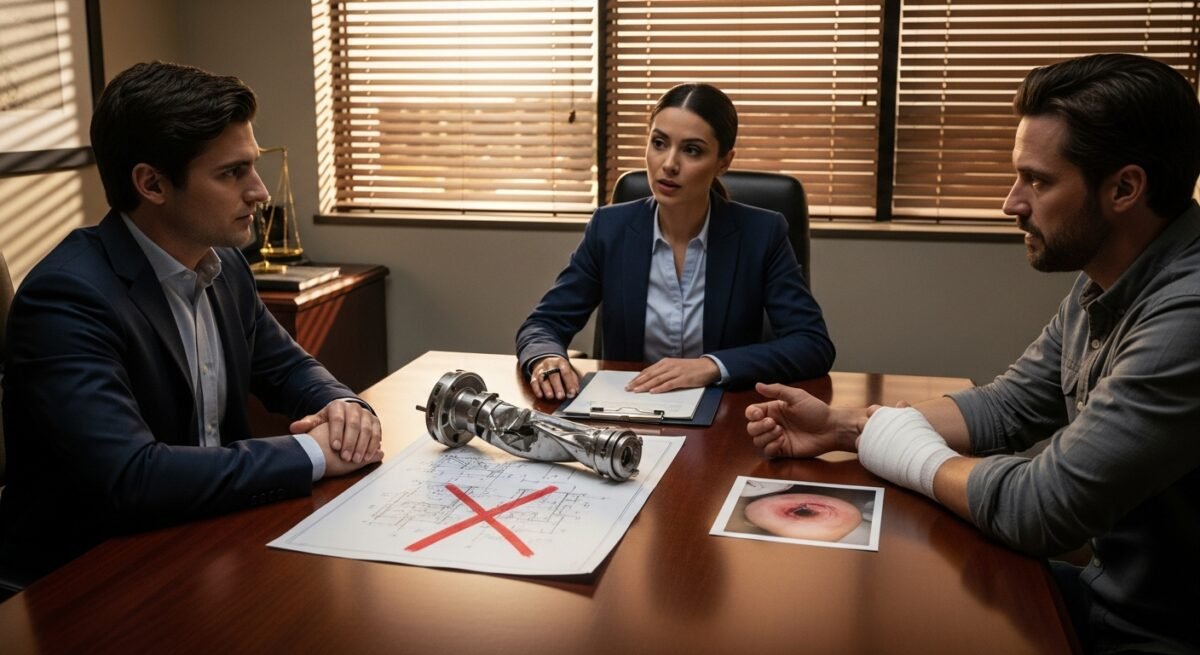
Come prepared to this meeting with all the evidence you’ve gathered and a clear, chronological account of what happened. A qualified attorney will listen carefully, ask probing questions about the product’s use and the nature of your injuries, and provide an initial, honest assessment of the claim’s viability. They should explain their experience with similar cases and their approach to the legal process. This is also the time to understand fee structures; most product liability attorneys work on a contingency fee basis, meaning they only get paid if they secure a recovery for you. For a deeper look at how these arrangements function, our resource on understanding contingency fee agreements with personal injury lawyers offers valuable context applicable to product liability cases.
Navigating the Legal Process With Your Attorney
Once you retain counsel, your attorney will launch a formal investigation that goes far beyond what you could do alone. This may involve hiring expert witnesses, such as engineers, metallurgists, or medical professionals, to analyze the product’s failure and the extent of your injuries. They will conduct legal research to identify all potentially liable parties, which can include the product designer, manufacturer, assembler, wholesaler, and retailer. Your attorney will also handle all communication with insurance companies and opposing counsel, shielding you from tactics aimed at minimizing your claim or obtaining misleading statements.
The process typically involves pre-litigation negotiations, and if a fair settlement cannot be reached, filing a lawsuit. Litigation includes phases like discovery, where both sides exchange evidence and take depositions, and possibly mediation or trial. Throughout this entire journey, your role is to stay informed, provide requested information promptly, and follow your medical treatment plan. Your attorney’s advice on matters like whether to accept a settlement offer is grounded in their evaluation of the evidence, the law, and the risks of proceeding to trial. This strategic guidance is invaluable, much like the specialized knowledge needed in other complex injury areas, such as when you require the services of a truck accident injury attorney after a major collision.
Common Questions and Key Considerations
Victims of defective products often have similar concerns. One major question is about the value of a claim. Compensation, or damages, in product liability cases is designed to make you whole. This includes economic damages like medical bills, lost wages, and property damage, as well as non-economic damages for pain, suffering, and emotional distress. In cases involving egregious corporate misconduct, punitive damages may also be sought to punish the defendant and deter future wrongdoing.
Another frequent concern is the longevity of the legal process. These cases can take months or even several years to resolve, depending on their complexity and the defendant’s willingness to negotiate in good faith. Your attorney should manage your expectations and keep you updated on progress. It’s also crucial to understand that you may be asked to give a deposition, a formal, sworn testimony. Preparing thoroughly with your attorney for this is essential. Finally, choosing the right attorney is paramount. Look for a firm with a proven track record in product liability, not just general personal injury law. They should have the resources to fund an expensive investigation and the trial experience to go up against major corporate legal teams.
To ensure you are fully prepared when seeking legal help, consider the following steps when vetting a potential product liability attorney:
- Verify Specific Experience: Ask how many product liability cases they have handled that are similar to yours and what the outcomes were.
- Assess Resources: Inquire about their network of expert witnesses and their firm’s capacity to front the costs of litigation, which can be substantial.
- Evaluate Communication: Gauge their responsiveness during the initial consultation and their willingness to explain complex legal concepts in plain language.
- Review the Fee Agreement: Ensure you understand the exact percentage they will take from a recovery and what case costs are deducted from.
- Check References and Reviews: Look for client testimonials and peer reviews that speak to their professionalism and results.
Armed with this practical product liability attorney advice, you can take informed, confident steps toward holding responsible parties accountable. A defective product can upend your life, but you do not have to face the aftermath alone. By securing the right legal advocate, you empower yourself to pursue the compensation necessary for healing and moving forward, while also encouraging higher safety standards that protect others.