Proving Negligence in a Salt Lake City Car Accident Case
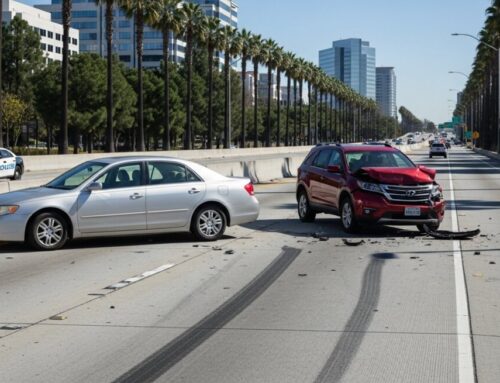
After a car accident in Salt Lake City, the path to compensation depends on one critical legal concept: negligence. You must show that another driver’s careless or reckless behavior directly caused your injuries. Without clear proof of negligence, Utah’s fault-based insurance system may leave you paying for medical bills, lost wages, and vehicle repairs out of your own pocket. Understanding how to gather and present this evidence is the first step toward a successful claim.
Utah law requires every driver to carry liability insurance, but simply filing a claim is not enough. Insurance adjusters are trained to minimize payouts. They will scrutinize your version of events and look for any reason to deny or reduce your settlement. This is why building a solid negligence case matters. In our guide on car accident in Clanton Alabama, we explain how similar evidence rules apply across different states. The same principles of duty, breach, causation, and damages govern your Salt Lake City claim.
The Four Elements of Negligence You Must Prove
To prove negligence in a Utah car accident case, you must establish four legal elements. Each element builds on the last, creating a chain of responsibility from the defendant’s actions to your injuries.
1. Duty of Care
Every driver on Utah roads owes a duty to operate their vehicle safely and follow traffic laws. This duty includes obeying speed limits, signaling turns, maintaining a safe following distance, and avoiding distractions. The law presumes that drivers understand this basic obligation. You do not need to prove that a duty existed; you only need to show that the other driver failed to meet it.
2. Breach of Duty
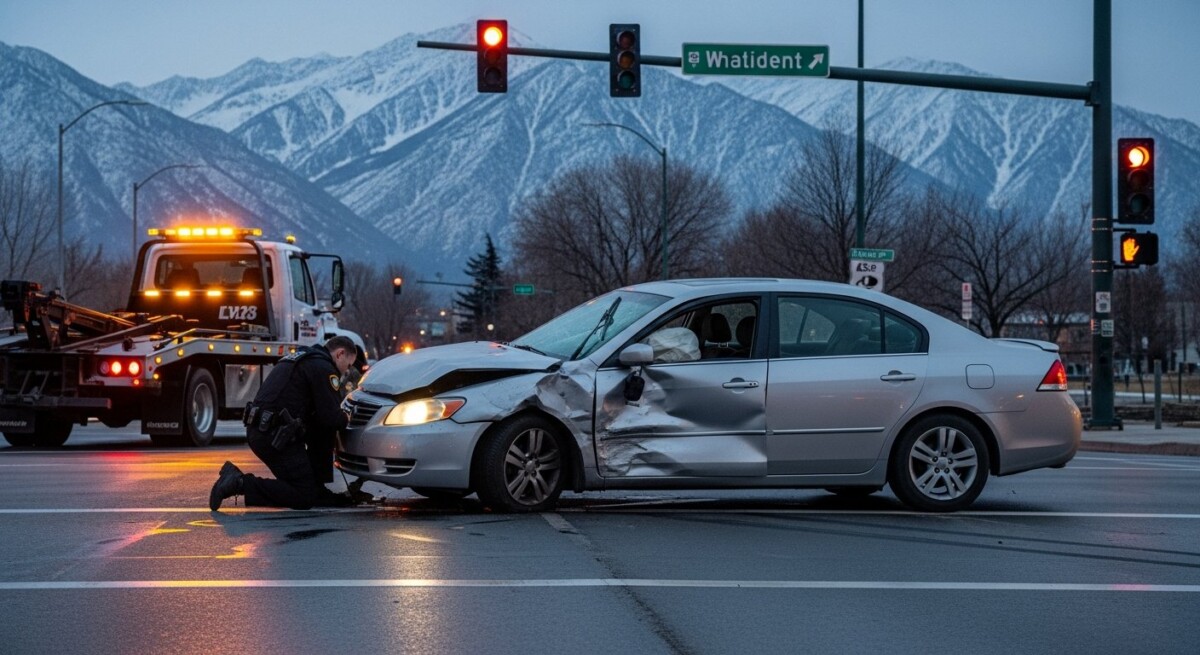
A breach occurs when a driver violates that duty. Common examples include running a red light, texting while driving, speeding, or failing to yield. In Salt Lake City, police reports often document traffic violations that serve as evidence of a breach. You can also use witness statements, dashcam footage, or accident reconstruction analysis to demonstrate how the defendant’s actions fell below the standard of care.
3. Causation
You must connect the breach directly to your injuries. This is known as proximate cause. For instance, if a driver ran a stop sign and struck your vehicle, the collision caused your broken arm. However, if you had a pre-existing condition that flared up after the accident, you may need medical testimony to separate the accident-related harm from prior issues. Utah courts require a clear causal link between the breach and the damages claimed.
4. Damages
Finally, you must show that you suffered actual losses. These can be economic (medical bills, lost income, property damage) or non-economic (pain and suffering, emotional distress). Without demonstrable damages, even a clear breach of duty will not support a negligence claim. Keep all receipts, medical records, and pay stubs to quantify your losses.
Gathering Evidence to Support Your Claim
Evidence is the backbone of any negligence case. The sooner you start collecting it after the accident, the stronger your position becomes. Here are the key types of evidence that Utah courts and insurance companies consider persuasive.
Police Reports. Utah law requires drivers to report accidents involving injury, death, or property damage over $1,500. A responding officer will document the scene, note traffic violations, and sometimes include a preliminary determination of fault. Request a copy of the police report as soon as it becomes available. While not admissible as conclusive proof of negligence, it carries significant weight with adjusters.
Photographs and Video. Take photos of vehicle damage, skid marks, road conditions, traffic signs, and your injuries. If there are nearby security cameras or traffic cameras, ask the property owner or city traffic department for footage. Dashcam recordings are particularly valuable because they capture the accident from an objective perspective.
Witness Statements. Independent witnesses who saw the crash can provide unbiased accounts. Collect their names and phone numbers at the scene. Ask them what they saw and whether they are willing to give a statement later. Witnesses who explain that the other driver ran a red light or was speeding can directly prove breach of duty.
Medical Records. Your medical records link the accident to your injuries. See a doctor immediately after the crash, even if you feel fine. Some injuries like whiplash or concussions take hours or days to show symptoms. Delayed treatment gives the defense an argument that your injuries are not accident-related.
Expert Testimony. In complex cases, accident reconstruction experts can analyze the physics of the collision, vehicle damage patterns, and road conditions to determine how the crash happened. Medical experts can testify about the extent of your injuries and the expected recovery timeline. These experts add credibility to your claim.
Utah’s Modified Comparative Fault Rule
Utah follows a modified comparative fault system under Utah Code Section 78B-5-818. This means you can still recover compensation even if you share some blame for the accident. However, your percentage of fault reduces your award proportionally. For example, if you are found 20 percent at fault and your total damages are $100,000, you can recover $80,000. If you are 50 percent or more at fault, you cannot recover anything.
This rule makes it essential to counter any allegations that you contributed to the crash. Insurance companies often try to shift blame to accident victims. If the other driver claims you were speeding or failed to yield, your evidence must show their version is incorrect. Dashcam footage, eyewitness accounts, and police reports are your best tools to refute these arguments.
Common Defenses Against Negligence Claims
Defense attorneys and insurance adjusters use several strategies to weaken your case. Being aware of these tactics helps you prepare stronger evidence.
- Sudden emergency defense: The defendant argues that an unexpected event (like a deer jumping into the road) made the crash unavoidable. To counter this, show that a reasonable driver could have prevented the accident by maintaining a safe speed or paying attention.
- Assumption of risk: The defense claims you knowingly accepted the danger (e.g., riding with a drunk driver). This rarely applies in standard car accidents but can arise in rideshare or passenger cases.
- Lack of causation: The defense argues your injuries stem from a prior condition or a later incident, not the accident. Consistent medical documentation and expert testimony can close this gap.
Each defense requires a specific evidentiary response. Working with an experienced attorney helps you anticipate these arguments and build a case that withstands scrutiny.
The Role of Insurance Companies in Negligence Cases
In Utah, car accident claims typically start with an insurance settlement rather than a lawsuit. You file a claim with the at-fault driver’s insurer, and the adjuster investigates your evidence. The adjuster’s goal is to minimize the payout. They may request recorded statements, ask for medical authorizations, or pressure you to accept a quick settlement. Do not give a recorded statement without legal advice. Anything you say can be used against you later.
If the insurance company denies liability or offers an unreasonably low settlement, you may need to file a lawsuit. Utah’s statute of limitations for personal injury claims is four years from the accident date. Missing this deadline bars you from recovering any compensation. For property damage claims, the deadline is three years.
For Spanish-speaking readers, our resource on abogado de accidentes de auto en Los Angeles 2026 provides guidance on protecting your rights after a crash. While that guide focuses on California, the same principles of evidence gathering and legal deadlines apply in Utah.
When to Hire a Salt Lake City Car Accident Attorney
Proving negligence is not always straightforward. If your case involves serious injuries, disputed liability, or an uncooperative insurance company, legal representation becomes crucial. An attorney can handle the evidence collection, negotiate with adjusters, and file a lawsuit if necessary. Most personal injury lawyers work on a contingency fee basis, meaning you pay nothing upfront and only pay if they win your case.
Attorneys also have access to resources that individual claimants lack. They can hire accident reconstruction experts, obtain medical records efficiently, and calculate the full value of your damages including future medical costs and lost earning capacity. In a case where the other driver claims your injuries are exaggerated, an attorney’s medical expert can provide objective testimony.
If you are considering representation, our article on abogado de accidentes de trafico explains how legal professionals evaluate negligence claims. While that resource is in Spanish, the concepts of case evaluation and evidence requirements are universal.
Frequently Asked Questions
What if the other driver fled the scene?
Hit-and-run accidents complicate negligence claims because you cannot identify the at-fault driver. In Utah, your own uninsured motorist (UM) coverage may cover your damages. You must report the accident to the police immediately and provide any information you have about the fleeing vehicle.
Can I still recover if I was partially at fault?
Yes, under Utah’s modified comparative fault rule, you can recover compensation as long as you are less than 50 percent at fault. Your award is reduced by your percentage of fault.
How long do I have to file a lawsuit?
Utah’s statute of limitations for personal injury is four years from the accident date. For property damage, it is three years. Act promptly to preserve evidence and meet these deadlines.
Do I need a police report to prove negligence?
No, but a police report is powerful evidence. It provides an official account of the scene and may include citations for traffic violations. Insurance companies rely heavily on these reports.
What damages can I recover in a negligence case?
You can recover economic damages (medical bills, lost wages, property damage) and non-economic damages (pain and suffering, emotional distress). In rare cases involving gross negligence, punitive damages may also be available.
Final Thoughts
Proving negligence in a Salt Lake City car accident case requires thorough evidence, a clear understanding of Utah law, and strategic preparation. From police reports and witness statements to expert testimony and dashcam footage, every piece of evidence strengthens your argument. Utah’s comparative fault rules mean you can still recover even if you share some blame, but you must act quickly to preserve evidence and meet legal deadlines. If the other driver’s negligence caused your injuries, you have the right to seek full compensation for your losses. For additional guidance on similar legal topics, see our analysis in abogado de accidentes de vehiculos en Florida, which covers the evidence standards that apply across multiple states.