
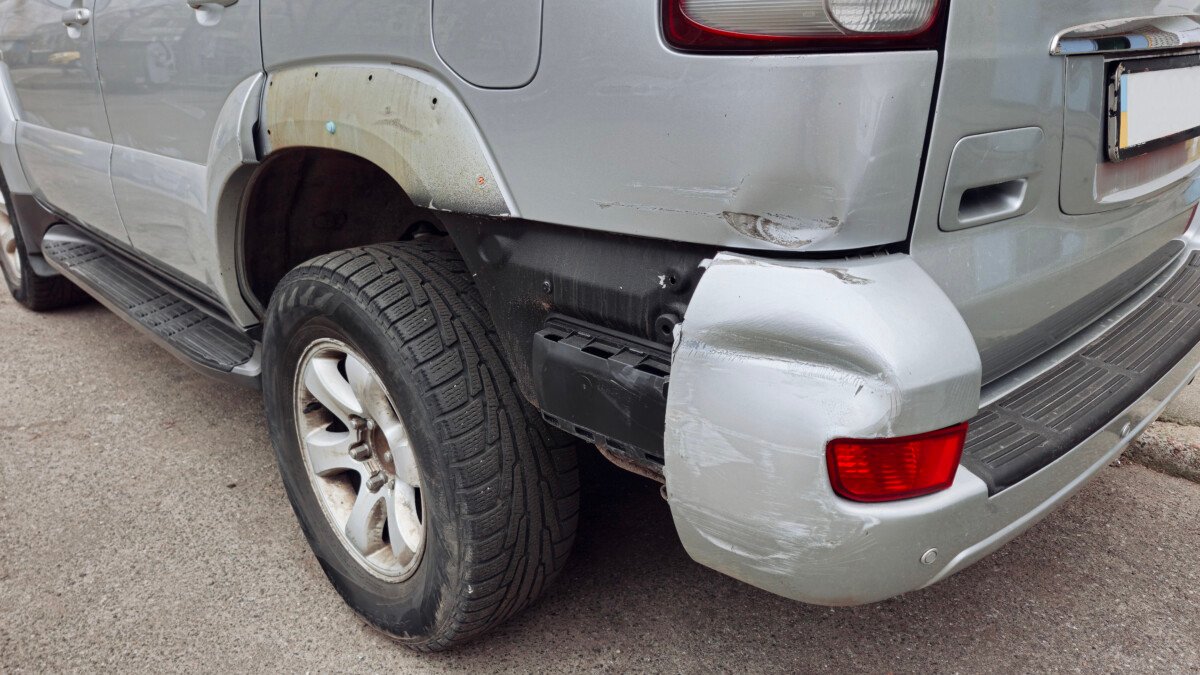
Rear-End Collision Settlement 2026: How to Win a Higher Insurance Offer
Understand the legal process to maximize your rear-end collision settlement. Learn how injury severity, evidence, and negotiation tactics impact your final recovery amount and protect your rights.

By Nancy Trahn
A rear-end collision can send more than just shockwaves through your body; it can trigger a complex and often confusing legal process to secure a fair settlement. While the other driver’s insurance company may quickly admit fault, the true challenge begins when determining what your claim is actually worth. The journey from initial impact to final settlement involves navigating medical evidence, insurance tactics, and nuanced legal principles that can significantly impact your financial recovery. Understanding rear-end collision settlement 2026 this process is not just about getting your car repaired; it’s about ensuring you are fully compensated for all your losses, both seen and unseen, and protected from future complications stemming from the accident.
The Legal Foundations of Your Rear-End Collision Claim
In the vast majority of jurisdictions, the driver who strikes another vehicle from behind is presumed to be at fault. This legal principle, often stemming from a duty to maintain a safe following distance, simplifies establishing liability. However, “presumed” does not mean “automatic.” Insurance adjusters will still thoroughly investigate to see if any comparative negligence can be assigned to you, such as sudden braking without cause or faulty brake lights, which could reduce your settlement. The core of your claim rests on proving the damages that resulted from the other party’s negligence. This moves the legal discussion from who is at fault to the more critical question of what your injuries and losses are worth in financial terms.
A successful settlement hinges on meticulously documenting and valuing two primary types of damages: economic and non-economic. Economic damages are the tangible, out-of-pocket costs. These include medical bills from emergency care, physical therapy, chiropractic treatment, and any future medical procedures related to the crash. They also encompass lost wages from missed work and repair or replacement costs for your vehicle. Non-economic damages are more subjective but equally real. They compensate for pain and suffering, emotional distress, loss of enjoyment of life, and the inconvenience caused by the accident. Calculating a figure for these intangible losses is where legal expertise becomes invaluable, as it often involves multipliers of your economic damages or per diem arguments based on the duration of your recovery.
Critical Factors Influencing Your Settlement Value
The severity and longevity of your injuries are the single greatest determinants of your rear-end collision settlement value. A minor soft-tissue injury that resolves in a few weeks with basic treatment will settle for far less than a herniated disc requiring surgery and ongoing pain management. The consistency and comprehensiveness of your medical documentation are paramount. Gaps in treatment or failure to follow a doctor’s recommendations can be exploited by the insurance company to argue your injuries were not serious. Furthermore, pre-existing conditions in the same area of the body, such as a prior back injury, present a legal challenge. The key is to have clear medical testimony distinguishing the new trauma from the old condition, a task where an experienced personal injury lawyer is essential.
The insurance policy limits of the at-fault driver act as a ceiling for your potential recovery. If your damages exceed those limits, recovering the full amount becomes more complex, potentially involving a claim against your own underinsured motorist coverage. Your own conduct after the accident also plays a role. Delays in seeking medical treatment can be misconstrued as evidence that you were not truly hurt. Perhaps most importantly, the legal doctrine of comparative negligence, followed in most states, can proportionally reduce your settlement if you are found even partially at fault. For instance, if you are deemed 10% responsible for the collision, your total damages award would be reduced by that percentage.
The Settlement Negotiation Process and When to Involve a Lawyer
After seeking necessary medical care, your first formal step will likely be filing a claim with the at-fault driver’s insurance company. They will assign an adjuster whose primary goal is to settle the claim quickly and for as little money as possible. They may present an initial offer that seems attractive but often covers only immediate, obvious medical bills and vehicle damage, ignoring long-term prognosis and non-economic damages. Negotiating a fair rear-end collision settlement requires a strategic approach, presenting a compelling demand package that tells the full story of your damages.
This demand package is your most important tool. A robust package should include all medical records and bills, documentation of lost income, a repair estimate or vehicle valuation, a journal detailing your pain and suffering, and impact statements from family or friends. With this compiled, you or your attorney will submit a formal demand letter outlining the facts of liability, the extent of your damages, and a specific settlement figure. The negotiation that follows is a back-and-forth process. Knowing when to involve a legal professional is critical. Consider consulting a lawyer if your injuries are more than minor, liability is disputed, the insurance company’s offer seems unfairly low, or a pre-existing condition is involved. Most personal injury lawyers work on a contingency fee basis, meaning they only get paid if you recover money, aligning their interests with yours.
Common Pitfalls and How to Avoid Them
Many claimants inadvertently undermine their own cases by making avoidable mistakes in the immediate aftermath of the collision and during the claims process. One of the most damaging errors is giving a recorded statement to the opposing insurance company without legal counsel. Adjusters are trained to ask questions designed to elicit answers that minimize your claim or suggest comparative fault. Similarly, signing any documents, especially a general medical release or a quick settlement check, can jeopardize your rights. A quick settlement often comes with a full and final release, forever barring you from seeking more money even if latent injuries surface later.
Another critical misstep is failing to understand the statute of limitations. This is the legal deadline for filing a lawsuit, which varies by state and can be as short as one year from the date of the accident. Missing this deadline extinguishes your right to compensation permanently, regardless of the merits of your case. To build the strongest possible claim, you must be proactive and disciplined from the moment the accident occurs.
To protect your rights and maximize your potential recovery, follow these essential steps:
- Seek Medical Attention Immediately: Even if you feel “fine,” get evaluated. Adrenaline can mask injuries, and a medical record created close to the accident is powerful evidence.
- Document Everything: Take photos of the vehicles, the scene, your visible injuries, and any road conditions. Keep a detailed journal of your physical pain, emotional state, and how the injuries affect your daily life.
- Communicate Cautiously: Do not discuss the accident or your injuries on social media. Do not admit fault or speculate about what happened to anyone except the police and your own attorney.
- Follow Your Treatment Plan: Attend all appointments and follow your doctor’s advice meticulously. Gaps in treatment are a primary reason insurance companies reduce settlement offers.
- Consult a Legal Professional Early: An initial consultation with a personal injury lawyer can provide clarity on your claim’s value and the legal process, often at no upfront cost.
Adhering to this framework creates a solid foundation for your claim. It transforms your experience from a collection of inconveniences into a well-documented narrative of loss, which is the currency of settlement negotiations.
Looking Beyond the Initial Offer
When a fair settlement cannot be reached through negotiation, filing a lawsuit becomes the necessary next step. It is important to understand that this is often a strategic move to continue negotiations in a different forum; most civil cases still settle before reaching a trial. The discovery process that follows a filed lawsuit allows for the formal exchange of evidence, including depositions where parties and witnesses give sworn testimony. This process can reveal new information and often motivates insurance companies to increase their settlement offers to avoid the risk and expense of a trial. Having a lawyer with litigation experience is crucial at this stage to navigate court procedures, rules of evidence, and the pressures of the courtroom.
Ultimately, securing a just rear-end collision settlement is about understanding that you are not just repairing a car, you are rebuilding your life after an unexpected disruption. It requires a balance of patience during recovery and assertiveness in pursuing what you are legally owed. By educating yourself on the process, meticulously documenting your journey, and seeking expert legal guidance when needed, you position yourself to recover fully and move forward with the financial security you deserve.
FAQs About Rear-End Collision Settlement 2026
1. What is the average rear-end collision settlement in 2026?
Settlement amounts vary widely based on injury severity, medical bills, lost wages, and insurance limits. Minor cases may settle for a few thousand, while serious injuries can reach six figures.
2. How long does a rear-end collision settlement take in 2026?
Most claims resolve within a few months, but cases involving major injuries or disputed liability may take a year or more.
3. Do I need a lawyer for a rear-end collision claim in 2026?
While not required, having a lawyer can help maximize your settlement—especially if injuries, long-term treatment, or insurance disputes are involved.
4. Who is usually at fault in a rear-end collision?
The rear driver is typically presumed at fault, but exceptions exist—for example, sudden stops or multi-car pileups.
5. What damages can I claim in 2026?
You may seek compensation for medical expenses, lost income, pain and suffering, vehicle repairs, and long-term care needs if applicable.
Final Thoughts
Rear-end collision settlement trends in 2026 continue to reflect the importance of solid documentation, medical evaluation, and understanding your rights. Every case is different, so knowing the factors that influence settlement value can help you navigate the process with confidence and secure fair compensation.
Take the first step toward justice. Get your free case evaluation now at LegalCaseReview.com or call 📞 (833) 279-1850!