
Report of Motor Vehicle Accident: A Complete Guide for Drivers
A proper report of motor vehicle accident is crucial for insurance and legal claims. Learn the steps to file correctly, avoid common mistakes, and protect your rights. This guide details what to document and how the report impacts your recovery.

By Dina Morello
The moments after a car crash are defined by chaos and adrenaline. Amidst the ringing in your ears and the shock of the impact, one administrative task looms with profound legal and financial consequences: filing a proper report of motor vehicle accident. This document is far more than a bureaucratic formality; it is the foundational, often immutable, record of the event that will dictate insurance settlements, legal liability, and your ability to recover damages. A well-documented report protects your rights, while a poorly executed one can undermine your claim before it even begins. Understanding the precise steps, the critical information to include, and the common pitfalls to avoid is not just helpful—it is essential for anyone who drives.
The Critical Importance of an Official Accident Report
An official police report, often called a motor vehicle accident report or crash report, serves as a neutral third-party account of the incident. Insurance adjusters and attorneys treat this document as a primary source of truth. Its findings on fault, contributing factors like weather or road conditions, and identified violations carry significant weight. In many states, this report is a mandatory legal requirement when an accident meets certain criteria, such as involving injury, death, or property damage over a specific monetary threshold. Beyond legality, the report creates a timestamped record that prevents the facts from becoming blurred by time or manipulated by other involved parties. It captures the scene as it was, preserving details you may forget in the days that follow.
Immediate Steps at the Scene: Before the Report is Written
The quality of the official report begins with your actions before the officer arrives. First, ensure safety: move vehicles to a safe location if possible, turn on hazard lights, and check for injuries. Immediately call 911 to request both medical assistance and law enforcement. This dispatch call itself becomes part of the record. While waiting, if you are physically able, begin gathering the raw data that will feed into the report. Exchange driver’s license, insurance, and vehicle registration information with all involved parties. Use your phone to take comprehensive photographs and videos from multiple angles, capturing vehicle positions, damage, license plates, street signs, traffic signals, skid marks, and any visible injuries. If there are witnesses, politely ask for their names and contact details; their independent accounts can be invaluable later. Avoid discussing fault or making detailed statements about what happened beyond the basic facts with other drivers. Your focus should be on documentation, not debate.
What Information to Provide to the Responding Officer
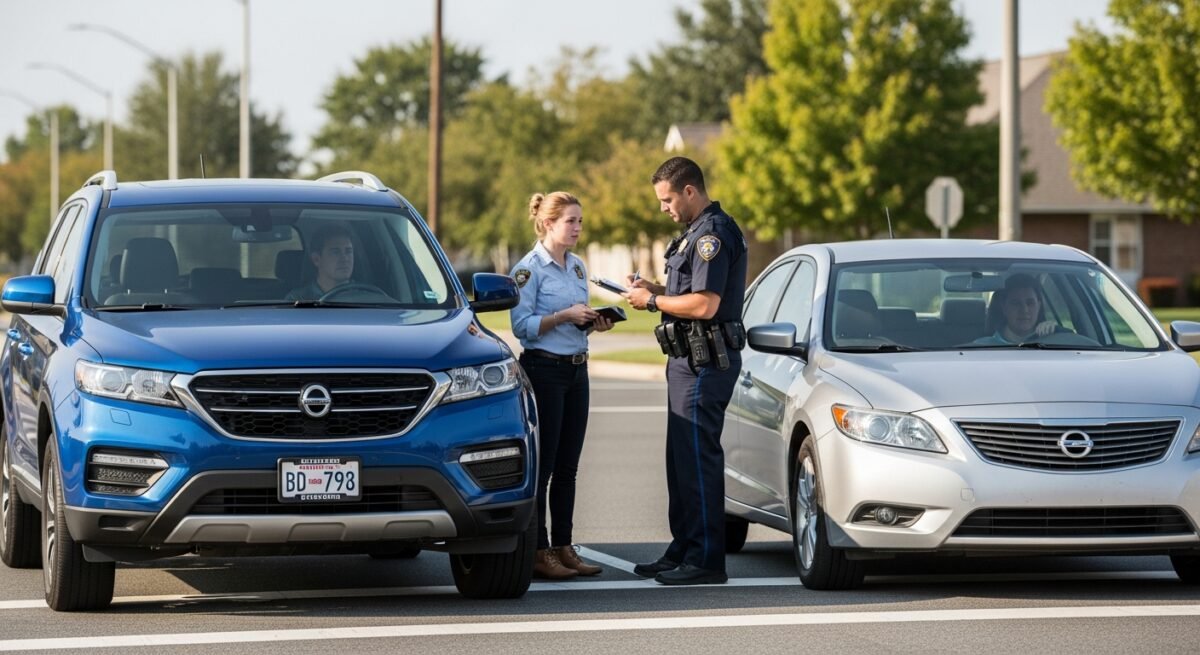
When the officer arrives, be calm, cooperative, and factual. You will need to provide your version of events clearly. Stick to the facts you know: your direction of travel, what you saw, and what you did. It is perfectly acceptable to say you are not sure about something rather than speculating. Give the officer the information you collected—witness contacts, your photos—and offer them. Clearly describe any injuries you or your passengers sustained, even if they seem minor at the time. Adrenaline can mask pain, and what feels like stiffness later could be a significant injury. Ensure the officer records your complaint. Mention any factors you believe contributed to the crash, such as obscured signage, poor lighting, or a mechanical failure. Remember, your goal is to ensure the report of motor vehicle accident is as complete and accurate as possible.
Understanding the Contents and Limitations of the Crash Report
A standard police accident report contains several key sections. The front page typically includes the date, time, location, responding agency, and report number. It will list all involved parties (drivers, passengers, pedestrians), their insurance information, and vehicle details. A crucial section is the diagram, where the officer illustrates the positions of vehicles, points of impact, and traffic controls. The narrative section is where the officer writes a descriptive summary of the events based on statements and evidence. Finally, the report will often include a preliminary assessment of contributing factors and may cite traffic violations. However, it is vital to understand this report’s limitations. The officer’s opinion on fault is not a final legal judgment; it is an influential piece of evidence. Insurance companies conduct their own investigations, and a court makes the ultimate determination of liability. Common mistakes in reports include incorrect driver or vehicle details, omitted witnesses, or factual inaccuracies in the narrative. For insights on specific state requirements and the information you must provide, our resource on the motor vehicle accident report in Alabama outlines a typical framework.
Obtaining and Reviewing Your Copy of the Report
You have a right to a copy of the report. The officer will usually provide a receipt with the report number. The process for obtaining the full report varies by jurisdiction. Often, you must request it from the local police department, sheriff’s office, or state highway patrol that responded to the scene, either in person, online, or by mail, sometimes for a small fee. It can take several days to a week for the report to be finalized and available. Once you have it, review it meticulously. Check for errors in personal information, vehicle descriptions, and the narrative of events. If you discover significant mistakes—such as an incorrect statement you allegedly made, a missed witness, or a wrong diagram—you need to act. Contact the reporting agency to inquire about their amendment process. This often involves submitting a written request for correction along with any evidence you have, like your photos or a witness statement. While officers are not always required to change their report, a supplemental report can be added to the file to document your disagreement and evidence. For a deeper dive into procedural nuances, our guide on the DMV motor vehicle accident report explores common administrative hurdles.
How the Accident Report Influences Insurance and Legal Claims
This document is the cornerstone of the insurance claims process. The adjuster assigned to your case will obtain the report and use it to make an initial liability determination. A report clearly indicating the other driver violated a traffic law will strongly support your claim for damages. Conversely, a report that assigns you a share of the blame can drastically reduce your settlement based on your state’s comparative or contributory negligence rules. In legal proceedings, the report is admissible evidence. Attorneys use it to question the responding officer during depositions or at trial. A well-prepared report can facilitate a faster, more favorable settlement, while a problematic one can force your attorney to spend significant resources overcoming its negative aspects. It is also a key document for medical providers and insurers navigating billing, as it helps establish the cause of injury. The motor vehicle accident external cause code used in medical billing is directly tied to the incident documented in this very report.
Frequently Asked Questions
Do I always need to call the police after a minor fender-bender?
Even for minor accidents, calling the police is advisable. Many jurisdictions have laws requiring a report for damage over a certain amount (often $1,000-$2,500), which even a minor collision can exceed. An official report prevents the other driver from later denying the accident occurred or exaggerating their damages.
What if the police didn’t come to the scene?
In some areas, police may not respond to non-injury accidents. In this case, you often must file a report of motor vehicle accident yourself. This is typically done by submitting a state-specific form to the DMV or local police department within a short timeframe (e.g., 10 days). Check your state’s requirements immediately.
The other driver asked me not to file a report. What should I do?
This is a major red flag. Politely decline. Their request often indicates a problem like lapsed insurance, a suspended license, or immigration issues. Filing the report protects you from being held responsible for their later claims or from being accused of a hit-and-run.
Can I sue if the police report says the accident was my fault?
Yes, you can still pursue a claim or lawsuit. The report is evidence, not a verdict. Your attorney can present other evidence—expert testimony, independent witness statements, traffic camera footage—to challenge the report’s conclusions and establish that the other party was fully or partially at fault.
How long should I keep a copy of the accident report?
Keep it indefinitely, or at minimum for as long as any related legal or insurance matter could arise—typically several years after the statute of limitations for personal injury claims in your state has expired. It is a permanent part of your personal records.
The report of motor vehicle accident is your first and most powerful piece of advocacy after a crash. Treating its creation with the seriousness it deserves—by acting swiftly, documenting thoroughly, and reviewing carefully—establishes a solid foundation for the entire recovery process. It transforms a chaotic event into a structured record, empowering you to navigate the complexities of insurance and law with confidence and clarity. Your diligence in this single task can be the decisive factor in securing a fair outcome and moving forward from the incident.
Get real legal help—fast. Visit LegalCaseReview.com or call 📞 (833) 670-8682 now.