
The Best Way to Handle a Truck Accident Claim in Atlanta
Discover the best way to handle a truck accident claim in Atlanta to secure maximum compensation. Call 833-227-7919 for a strategic case review.

By Priya Patel
A truck accident in Atlanta is not just a fender bender. The sheer size and weight of commercial trucks mean collisions often result in catastrophic injuries, complex liability issues, and aggressive insurance tactics. Knowing the best way to handle a truck accident claim in Atlanta is critical to protecting your rights and securing the full compensation you deserve for medical bills, lost wages, and pain and suffering. This process demands a strategic, informed approach from the very first moments after the crash through to the final settlement or verdict.
Immediate Actions at the Accident Scene
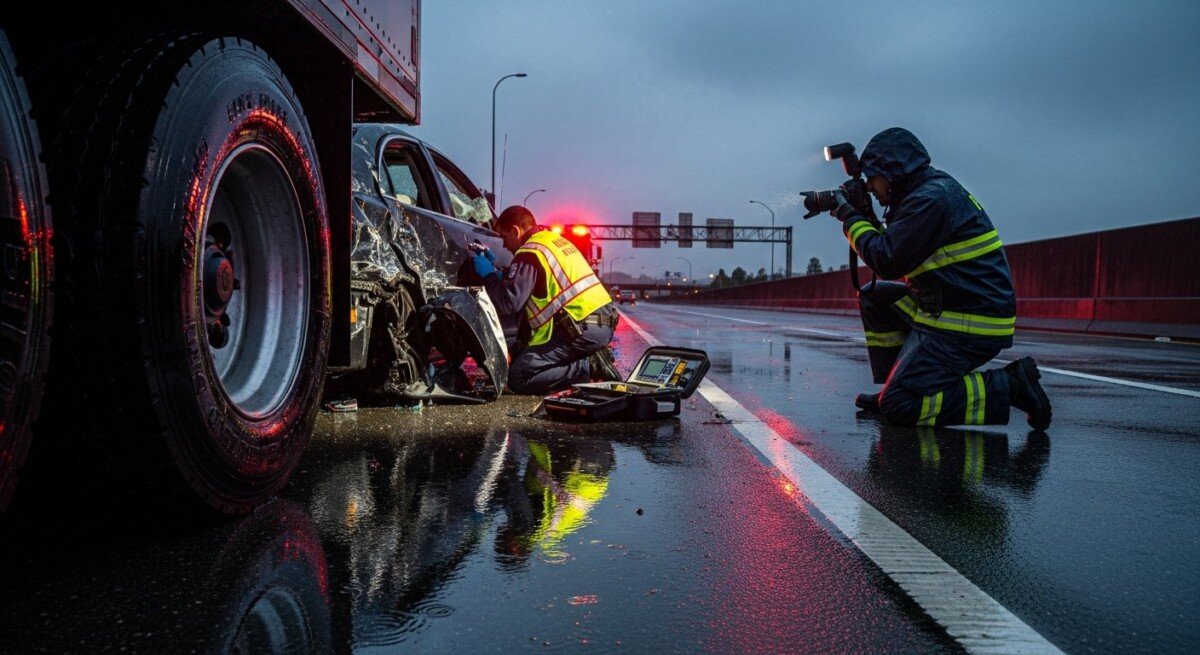
Your actions in the immediate aftermath of a truck crash lay the foundation for your entire claim. While your health is the absolute priority, what you do next can significantly impact the strength of your case. If you are physically able, gathering evidence is paramount. Trucking companies and their insurers move quickly to build a defense, so you must do the same. Always call 911 to ensure an official police report is filed, which creates a vital, independent record of the incident. Seek medical attention immediately, even if you feel fine, as some injuries, like whiplash or internal trauma, have delayed symptoms.
When it is safe to do so, document everything. Use your phone to take comprehensive photos and videos from multiple angles, capturing vehicle positions, damage, skid marks, road conditions, traffic signs, and any visible injuries. Collect contact information from the truck driver, any witnesses, and the responding officers. Crucially, do not discuss fault or make statements about your condition to anyone except the police and your doctor. Anything you say to the truck driver or their company representative can be used against you later. For a deeper understanding of the initial steps after any crash, our resource on claiming compensation for a motor vehicle accident outlines the universal principles that apply.
Why Atlanta Truck Accident Claims Are Uniquely Complex
Understanding the complexities specific to truck accidents is the first step toward navigating a successful claim. Unlike a standard car accident, multiple parties can share liability, and federal regulations add layers of compliance that must be investigated. The potential value of these claims is high, which means insurance companies will deploy extensive resources to minimize their payout.
Key factors that add complexity include:
- Multiple Liable Parties: Your claim may target not just the truck driver, but also the trucking company, the cargo loader, the vehicle manufacturer, or a maintenance contractor. Determining who is responsible requires a thorough investigation.
- Federal and State Regulations: The trucking industry is governed by strict rules from the Federal Motor Carrier Safety Administration (FMCSA) and Georgia law. Violations of hours-of-service logs, maintenance records, or cargo securement rules can be powerful evidence of negligence.
- Black Box Data: Most large trucks are equipped with an Electronic Control Module (ECM), or “black box,” that records speed, braking, engine RPM, and more. This data is crucial but can be overwritten or destroyed if not preserved quickly through a legal request.
- Aggressive Insurance Defense: Trucking companies carry large insurance policies, but their insurers are skilled at shifting blame, downplaying injuries, and pressuring victims into lowball settlements before the full extent of damages is known.
The Critical Investigation Phase
After securing the scene evidence, the real work of building a claim begins. This investigation phase is where the disparity between handling the claim yourself and having expert legal representation becomes starkly apparent. A skilled Atlanta truck accident attorney knows what evidence to look for and how to obtain it before it disappears.
Your legal team will immediately issue preservation letters to the trucking company and its insurer, demanding they retain all relevant data, including driver logs, maintenance records, employment files, and the ECM data. They will subpoena GPS records, cell phone data, and onboard camera footage if available. They will also consult with accident reconstruction experts to analyze the physical evidence and establish the mechanics of the crash. This comprehensive approach is necessary to counter the tactics insurers use to deny liability. For instance, understanding how to leverage a lawyer for your accident claim can be the difference between a denied claim and a maximized recovery.
Calculating the True Value of Your Claim
One of the most common mistakes victims make is accepting an early settlement offer that fails to account for long-term needs. Truck accident injuries, such as spinal cord damage, traumatic brain injuries, or multiple fractures, often require lifelong medical care, rehabilitation, and can prevent a return to your previous occupation. An accurate valuation must include both economic and non-economic damages.
Economic damages are quantifiable financial losses. These include past and future medical expenses, lost wages, loss of future earning capacity, property damage, and out-of-pocket costs. Non-economic damages compensate for the intangible losses, such as pain and suffering, emotional distress, loss of enjoyment of life, and disfigurement. In Georgia, there is no statutory cap on these damages for most truck accident cases. A full assessment often requires working with medical specialists, vocational experts, and economists to project future costs. This meticulous calculation ensures you are not left covering enormous expenses years down the line because of an inadequate settlement.
Navigating Negotiations and Litigation
With a strong evidence file and a clear understanding of your claim’s value, your attorney will enter negotiations with the insurance company. It is important to understand that the insurer’s first offer is almost always a low starting point, not a fair resolution. Your lawyer will present a compelling demand package that outlines liability, damages, and the legal basis for your compensation. Skilled negotiation is a back-and-forth process aimed at reaching a fair settlement without the need for a trial.
However, if the insurance company refuses to offer a settlement that reflects the true value of your claim, you must be prepared to file a lawsuit. Litigation is a strategic tool, not a failure. The filing of a lawsuit initiates formal discovery, a process where both sides can depose witnesses, request additional documents, and ask written questions under oath. Often, the seriousness of litigation prompts insurers to increase their settlement offers significantly as trial approaches. Having an attorney with proven trial experience is essential, as it signals to the defense that you are prepared to take your case to a jury. The process shares similarities with other complex injury claims, such as the steps outlined for an arson house claim, where evidence preservation and expert consultation are also key.
Frequently Asked Questions
How long do I have to file a truck accident lawsuit in Atlanta?
In Georgia, the statute of limitations for personal injury claims is generally two years from the date of the accident. For a wrongful death claim, it is also two years from the date of death. Missing this deadline will almost certainly bar you from ever recovering compensation, making immediate action imperative.
What if I was partially at fault for the accident?
Georgia follows a modified comparative negligence rule. You can recover damages as long as you are less than 50% at fault. However, your total compensation will be reduced by your percentage of fault. For example, if you are found 20% at fault and your damages are $100,000, you would recover $80,000.
Will my case go to trial?
The vast majority of personal injury claims settle out of court. However, a settlement is only possible if the insurance company makes a fair offer. A reputable attorney will always prepare every case as if it is going to trial to maximize leverage during negotiations and ensure they are ready to advocate for you before a judge and jury if necessary.
What kind of compensation can I recover?
You can seek compensation for all economic losses (medical bills, lost income, property damage) and non-economic losses (pain and suffering, emotional distress). In cases involving egregious misconduct, punitive damages may also be available to punish the wrongdoer and deter future similar conduct.
How does hiring a lawyer improve my claim?
An experienced truck accident attorney handles the entire legal and investigative burden, deals with insurance adjusters, consults with experts, values your claim accurately, and negotiates from a position of strength. They understand the tactics used to diminish claims and work to counter them at every turn. This professional guidance is invaluable, much like the specialized knowledge needed when claiming compensation after a rear-end collision in a major metropolitan area.
Securing fair compensation after a devastating truck accident in Atlanta requires a methodical and aggressive approach. By taking immediate action to preserve evidence, understanding the unique complexities of trucking cases, and partnering with a legal team that has the resources and experience to build a powerful claim, you can navigate this challenging process effectively. Do not allow the confusion and pressure following a crash to compromise your future financial and physical recovery.