
What Happens If the Other Driver Has No Insurance in Dallas
If an uninsured driver hits you in Dallas, know your options for recovery. Call 833-227-7919 for a free case evaluation with a local attorney.

By John Golightly
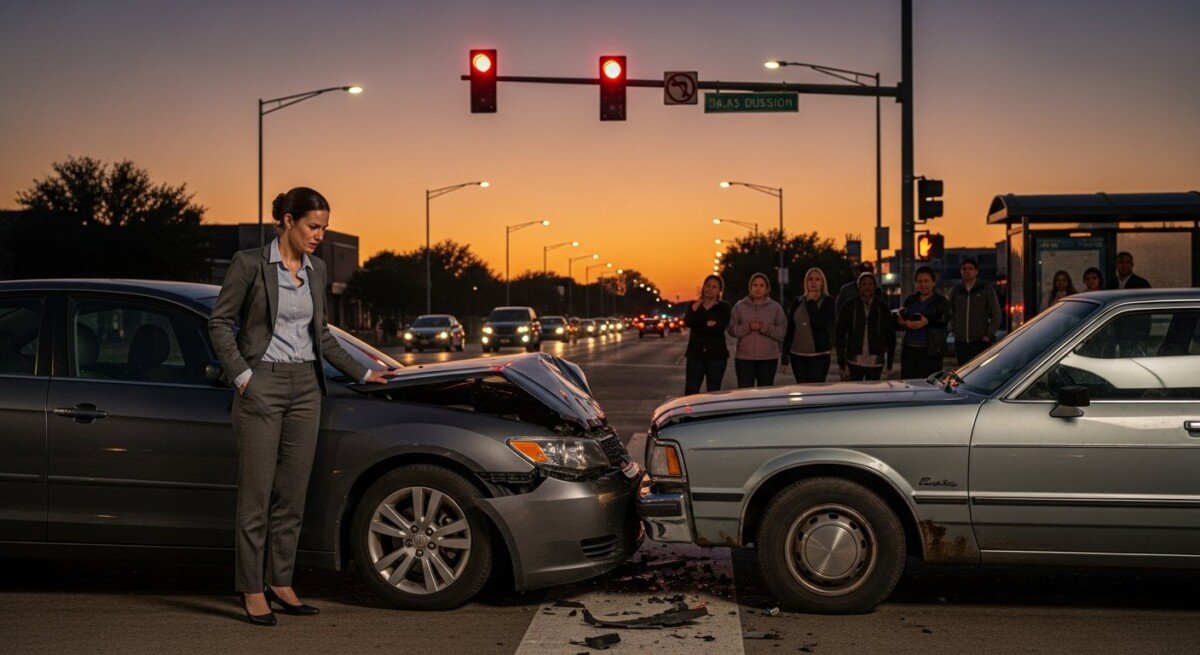
You are driving through Dallas, obeying the traffic laws, when suddenly another vehicle runs a red light and slams into your car. The immediate shock is overwhelming, but as you exchange information, you receive an even more jarring piece of news: the at-fault driver has no auto insurance. In a state with one of the highest rates of uninsured drivers in the nation, this scenario is unfortunately common. The immediate question, “What happens if the other driver doesn’t have insurance in Dallas?” is followed by a wave of anxiety about medical bills, car repairs, and lost wages. While the situation is stressful, you are not without options or recourse. Understanding Texas law and the specific steps to take can protect your rights and your financial future.
Texas Is a Fault State With Mandatory Insurance Requirements
Texas operates under a traditional “fault” or “tort” system for car accidents. This means the driver who caused the accident is legally and financially responsible for the damages they inflict on others. To ensure drivers can meet this obligation, Texas law mandates that all drivers carry minimum liability insurance. The required minimums are often called 30/60/25 coverage: $30,000 for bodily injury per person, $60,000 total per accident, and $25,000 for property damage. Despite this law, an estimated 20% of Texas drivers are uninsured, making the risk of encountering one a significant concern for Dallas motorists.
When an uninsured driver causes a crash, they have violated state law and are personally liable for your losses. However, collecting from an individual who could not afford even basic insurance is often challenging. They may lack assets, and attempting to secure payment can involve lengthy and costly litigation with no guaranteed outcome. This reality makes your own insurance policy your first and most important line of defense in such a situation. The protections you purchased for yourself become critical when the at-fault party has none.
Your First Steps After an Accident With an Uninsured Driver
The moments and days following a crash with an uninsured motorist are crucial. Your actions can significantly impact your ability to recover compensation. First, always call the police. A formal Dallas Police Department accident report is an essential document. It creates an official record of the event, includes the officer’s observations, and will note the other driver’s lack of insurance. This report is powerful evidence for your insurance claim. Next, gather as much information as possible at the scene: the driver’s name, address, phone number, and license plate number. Take photos of the vehicles, the scene, any visible injuries, and the other driver’s license and registration if they provide it.
Seek medical attention immediately, even if you feel fine. Adrenaline can mask injury symptoms. A medical record directly linking your injuries to the accident is vital. Finally, notify your own insurance company about the accident promptly. Be factual but do not give a recorded statement about fault or your injuries until you have consulted with an attorney. Explain that the other driver was uninsured. Your insurer will open a claim, but remember, their goal is to minimize payout. Having professional guidance can be invaluable. For a broader understanding of the claims process, our resource on what to expect with a motor vehicle accident insurance claim outlines the typical journey.
Leveraging Your Own Insurance: Uninsured/Underinsured Motorist Coverage
This is the most critical component of your policy when facing an uninsured driver. Uninsured/Underinsured Motorist (UM/UIM) coverage is not required by Texas law, but insurers must offer it to you. If you declined it in writing, you may not have it. UM/UIM coverage is designed specifically for this scenario: it steps in to pay for your damages when the at-fault driver has no insurance or insufficient insurance. It typically covers medical expenses, lost wages, pain and suffering, and sometimes property damage (though collision coverage usually handles vehicle repairs). Filing a UM claim is similar to filing a third-party claim, but it is with your own company.
This creates a potential conflict, as your insurer has a financial interest in denying or undervaluing your claim. They may dispute the severity of your injuries, argue the other driver wasn’t at fault, or offer a lowball settlement. Treat this claim with the same seriousness you would a claim against another party’s insurer. Document everything, keep records of all treatments, and consider legal representation to negotiate on your behalf. Understanding the full scope of personal injury insurance benefits can help you identify all available avenues for recovery under your policy.
Other Avenues for Financial Recovery
If you lack UM coverage or your damages exceed its limits, you must explore other options. One possibility is filing a claim against any other potentially liable parties. For example, if the uninsured driver was working for a delivery service or was in a company vehicle, their employer could be held vicariously liable. If a vehicle defect or poorly maintained road contributed to the crash, the manufacturer or a government entity might share fault. An investigation is necessary to identify all responsible parties.
Another route is filing a personal injury lawsuit directly against the uninsured driver. As mentioned, this is often a last resort. Before proceeding, an attorney will conduct an asset check to see if the individual has any collectible assets, such as real estate, valuable personal property, or future wages that could be garnished. If they have no assets, winning a judgment may be a hollow victory. However, a judgment remains valid for many years and can be renewed, potentially allowing collection in the future if the driver’s financial situation improves.
The Critical Role of a Dallas Personal Injury Attorney
Navigating an uninsured motorist claim is complex. You are essentially making a claim against your own insurance company, which requires proving the other driver’s fault and the full extent of your damages. An experienced Dallas personal injury attorney levels the playing field. They understand the tactics insurers use to minimize UM payouts and can build a strong case to maximize your recovery. An attorney will handle all communications with the insurance company, gather necessary evidence like the police report and witness statements, consult with medical experts, and calculate a fair value for your claim that includes future medical needs and non-economic damages like pain and suffering.
If a fair settlement cannot be reached, your attorney can take the case to litigation. This could mean suing the uninsured driver or, in some cases, even filing a lawsuit against your own insurer for acting in bad faith if they unreasonably deny your valid UM claim. The legal process can be daunting, but you don’t have to face it alone. Just as you would seek a specialized dog bite attorney in Dallas for a specific injury case, securing a lawyer skilled in uninsured motorist claims is crucial for this unique insurance dispute.
Frequently Asked Questions
What if I don’t have Uninsured Motorist coverage?
Your options become more limited. You would need to rely on your collision coverage for car repairs (subject to your deductible) and your Personal Injury Protection (PIP) or MedPay for medical bills, if you have them. You could also pursue a personal lawsuit against the at-fault driver, but recovery is uncertain. This underscores the importance of always carrying UM/UIM coverage in Texas.
Can the uninsured driver be punished?
Yes. Driving without insurance in Texas is a misdemeanor offense. They can face fines up to $350, plus additional fees, and could have their driver’s license and vehicle registration suspended. The police officer at the scene will likely issue a citation for this violation.
Will my rates go up if I file a UM claim?
It is possible, but by Texas law, an insurer cannot raise your rates solely because you filed a UM claim where you were not at fault. However, other factors from the accident could be considered. You should discuss this directly with your insurance agent.
What is the difference between UM and Collision coverage?
Collision coverage pays to repair or replace your vehicle regardless of fault, after you pay your deductible. UM coverage is primarily for bodily injury (and sometimes property damage) caused by an uninsured driver. They are separate coverages that address different losses.
Can I use other insurance, like health or renters insurance, for my injuries?
Your health insurance will typically cover medical bills, but they will likely seek reimbursement from any settlement you later receive. It’s less common, but in specific scenarios, you might explore if a personal injury claim with renters insurance could apply, though this is highly situation-dependent and usually relates to incidents at your residence.
Being involved in a crash with an uninsured driver in Dallas upends your life, but it does not leave you helpless. The path forward hinges on the protections you wisely included in your own insurance policy and your willingness to assert your rights. By taking immediate, documented action at the scene, promptly notifying your insurer, and seriously considering the advocacy of a qualified attorney, you can navigate this challenging situation. Protecting yourself starts before an accident occurs: review your policy today to ensure you have robust Uninsured/Underinsured Motorist coverage. It is an affordable safeguard against one of the most common and financially devastating risks on Texas roads.