
What Happens If the Other Driver Was Uninsured in Boston
Discover your rights and recovery options after a crash with an uninsured driver in Boston. Call 833-227-7919 for a free case evaluation.

By Kevin Persico
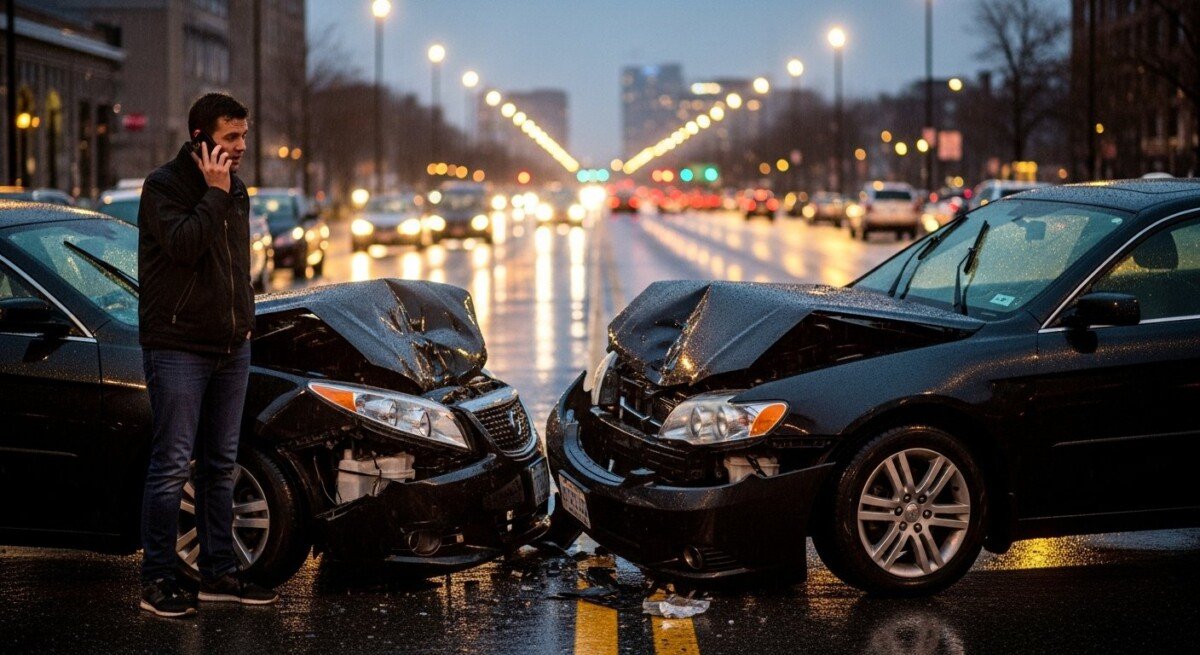
You are driving through Boston, perhaps on the Southeast Expressway or navigating the rotary at Sullivan Square, when another vehicle collides with yours. You exchange information, only to discover the other driver has no auto insurance. In that moment, the immediate shock of the crash is quickly replaced by a surge of anxiety about medical bills, car repairs, and financial recovery. Massachusetts mandates auto insurance, yet uninsured drivers remain on the road. Understanding your legal rights and the specific steps to take is not just helpful, it is critical to protecting your financial well-being after an accident with an uninsured motorist in Boston.
Massachusetts Insurance Laws and Uninsured Motorist Coverage
Massachusetts is a “no-fault” auto insurance state, which significantly shapes the process after any accident, including those involving uninsured drivers. Under the no-fault system, your own insurance company pays for your initial medical expenses and lost wages, regardless of who caused the accident, through Personal Injury Protection (PIP) coverage. PIP provides up to $8,000 per person, per accident. This system is designed to expedite medical payments but does not compensate for pain and suffering for minor injuries. However, the no-fault rule has an important exception: if your injuries meet a certain severity threshold, such as incurring more than $2,000 in reasonable medical expenses or involving significant and permanent disfigurement, you can step outside the no-fault system and file a liability claim against the at-fault driver.
This is where the problem with an uninsured driver becomes acute. Even if your injuries are severe enough to pursue a liability claim, the at-fault driver has no insurance company to pay it. This makes your own Uninsured Motorist (UM) coverage your primary avenue for recovery. Massachusetts law requires all auto insurance policies to include UM coverage, with minimum limits of $20,000 per person and $40,000 per accident for bodily injury. This coverage is designed to protect you if you are injured by a driver who has no insurance, a hit-and-run driver, or in some cases, a driver whose insurance company becomes insolvent. It essentially steps into the shoes of the missing at-fault driver’s insurer. For property damage to your vehicle, you would rely on the optional Collision coverage or, if you do not have it, you may have to pursue the uninsured driver personally, which is often difficult.
Immediate Steps After an Accident with an Uninsured Driver
The actions you take in the immediate aftermath of the crash are foundational to any successful insurance claim or legal case. First, ensure safety and call 911. A police report is non-negotiable when the other driver is uninsured. This official document creates an independent record of the event, the parties involved, and the officer’s initial assessment of fault. It is your most powerful piece of evidence when the other driver has no insurance company to contest the facts. Collect as much information as possible from the other driver: full name, address, driver’s license number, and vehicle registration. Take photographs of the scene, all vehicles, license plates, and any visible injuries.
Do not, under any circumstances, agree to “handle it privately” or accept cash on the spot. The true cost of injuries and repairs often far exceeds initial estimates. Furthermore, you have a contractual duty to report the accident to your own insurance company promptly. Failing to do so could jeopardize your right to use your UM or PIP benefits. When you report the claim, be factual and clear. State that the other driver was uninsured and that you have a police report number. This triggers the process for utilizing your Uninsured Motorist coverage. The challenges of dealing with uninsured drivers are not unique to Boston, as drivers in other major cities face similar hurdles, a topic explored in our analysis of what happens if the other driver has no insurance in Dallas.
Filing an Uninsured Motorist Claim with Your Insurance Company
Initiating a UM claim means you are making a claim against your own insurance policy for injuries caused by an uninsured driver. The process is similar to filing a third-party claim against another driver’s insurer, but with the crucial difference that your insurer now has a dual role: it is both your coverage provider and the entity you must convince to pay for the uninsured driver’s negligence. This creates an inherent conflict of interest. Your insurance company has a financial incentive to minimize or deny your UM claim. They will conduct an investigation, which will include reviewing the police report, your medical records, and statements from any witnesses.
To build a strong UM claim, you must substantiate the uninsured driver’s fault and the full extent of your damages. Essential evidence includes the police report citing the other driver for violations, witness statements, photos of the scene, and a complete record of all medical treatment, diagnoses, and prognoses. You must also demonstrate that your injuries meet the Massachusetts tort threshold to recover for pain and suffering through the UM claim. Be prepared for the insurance adjuster to potentially undervalue your claim or argue about the severity of your injuries. The negotiation process can be complex and adversarial. For a successful outcome, meticulous documentation and a clear understanding of your policy limits are paramount.
Legal Options Beyond the Insurance Claim
What if your damages exceed your UM policy limits, or your insurance company denies your claim in bad faith? You may need to pursue legal action. One option is to file a lawsuit directly against the uninsured driver. While this is legally permissible, it is often described as a “hollow victory.” Most drivers who cannot afford insurance also lack significant personal assets or income that can be garnished to pay a judgment. Collecting on a court award can be a long, expensive, and frequently futile process. However, in some cases, if the driver owns property or has a stable income, a lawsuit may be a viable path to recovery.
A more common and potent legal action is against your own insurance company. If your insurer unreasonably delays, undervalues, or denies your valid UM claim, they may be acting in “bad faith.” Massachusetts law implies a duty of good faith and fair dealing in every insurance contract. A bad faith lawsuit can seek not only the original UM benefits owed but also additional damages, interest, and potentially attorney’s fees. Furthermore, if a third party, such as a bar that served alcohol to an obviously intoxicated patron who then caused your accident, you may have a claim against that establishment under Massachusetts dram shop laws. An experienced attorney can investigate all potential sources of recovery. Navigating these legal complexities requires expert guidance, much like the process detailed for victims in other jurisdictions, such as in our guide on what happens if the other driver has no insurance in Dallas.
Maximizing Your Recovery: Practical Strategies
Successfully navigating an accident with an uninsured driver requires a strategic and informed approach. Your decisions in the days and weeks following the crash will directly impact your financial and physical recovery. First, seek medical attention immediately, even if you feel fine. Some injuries, like whiplash or concussions, have delayed symptoms. A prompt medical evaluation creates a documented link between the accident and your injuries, which is essential for your PIP and UM claims. Follow all prescribed treatment plans; gaps in care can be used by the insurance company to argue your injuries are not serious.
Second, understand your full insurance coverage. Review your policy declarations page to know your exact UM bodily injury limits, your PIP limits, and whether you have Collision coverage for your vehicle. Consider the following key steps to protect your interests:
- Report the accident to your insurer within 24 hours, providing the police report number.
- Keep a detailed journal of your pain, physical limitations, and how the injuries affect your daily life and work.
- Save all receipts related to the accident, including medical co-pays, prescriptions, mileage to appointments, and costs for household help if you are incapacitated.
- Do not provide a recorded statement to your own insurance company about the injuries or their impact without first understanding the implications.
- Consult with a Boston personal injury attorney who specializes in uninsured motorist claims before accepting any settlement offer.
An attorney can accurately value your claim, handle all communications with the insurance company, and be prepared to file a lawsuit or bad faith claim if necessary. They understand the tactics insurers may use and can advocate forcefully for your right to the full compensation your policy promises. The importance of legal counsel is a consistent theme in serious accident cases, whether in Boston or as discussed in resources covering what happens if the other driver has no insurance in Dallas.
Frequently Asked Questions
What if I was hit by a hit-and-run driver in Boston?
Hit-and-run accidents are treated similarly to accidents with known uninsured drivers. You would file a claim under your own Uninsured Motorist coverage. The police report is even more critical here. You must report the hit-and-run to the police and your insurer promptly, typically within 24 hours, to qualify for UM benefits.
Can my insurance rates go up if I use Uninsured Motorist coverage?
By Massachusetts law, your insurance company cannot raise your premiums solely because you made a UM claim where you were not at fault. The accident must be charged to the at-fault, uninsured driver. However, if you are found to be partially at fault, it could affect your rates.
What is Underinsured Motorist (UIM) coverage, and do I need it?
Underinsured Motorist coverage applies when the at-fault driver has insurance, but their policy limits are too low to cover your damages. For example, if they have the state minimum $20,000 and your injuries are worth $50,000, your UIM coverage would cover the $30,000 gap. It is optional but highly recommended, especially given the low state minimums.
How long do I have to sue an uninsured driver in Massachusetts?
The statute of limitations for personal injury lawsuits in Massachusetts is three years from the date of the accident. For property damage only, you have three years as well. This deadline is strict, and missing it will forever bar your claim.
What if the uninsured driver was driving someone else’s insured car?
In some cases, the vehicle owner’s insurance may provide primary coverage if the driver had permission to use the car. This is a complex area, and an investigation would be needed to determine if a viable insurance policy exists through the vehicle owner.
Dealing with the aftermath of a Boston car accident is stressful enough without the added burden of an uninsured driver. While the system provides protections through mandatory UM coverage, securing the full compensation you deserve often requires navigating a challenging claims process. By taking immediate, documented action, understanding your policy, and seeking professional legal advice, you can assert your rights and work toward a full recovery, ensuring you are not left financially responsible for another driver’s illegal choice to drive uninsured. For immediate assistance with your specific case, call our Boston office at 833-227-7919.