
What Is a Motion in Limine in a Personal Injury Trial?
A motion in limine can keep key evidence out of your injury trial and affect your payout. Call 8332791850 for a free case review today.

By Melissa Hughes
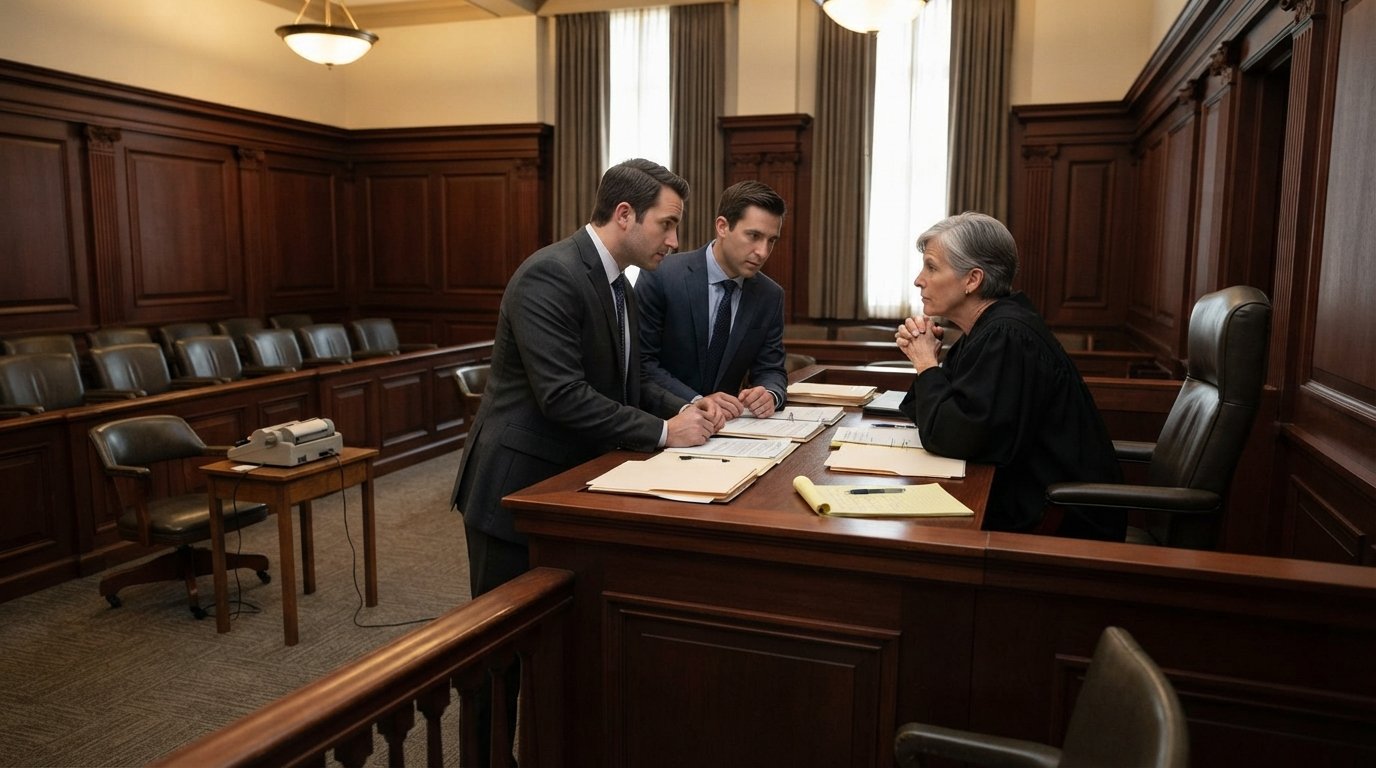
Picture the moment a personal injury trial is about to begin. Jurors file into the courtroom, the judge takes the bench, and both sides prepare to deliver opening statements. Then, before a single word reaches the jury, the attorneys approach the bench and argue about evidence the jury may never hear about at all. That quiet, high-stakes exchange is often the product of a motion in limine, one of the most powerful pretrial tools in personal injury litigation. Understanding what a motion in limine is, and why it matters, can help injury victims anticipate how their case will unfold and why certain evidence suddenly disappears from the courtroom.
What Is a Motion in Limine in a Personal Injury Trial?
A motion in limine is a pretrial request asking the judge to exclude or limit specific evidence before it is ever presented to the jury. The term comes from Latin and essentially means "at the threshold" or "at the outset." Instead of waiting for objectionable evidence to surface mid-trial (when the damage to jurors' impressions may already be done), attorneys file these motions ahead of time so the judge can rule on admissibility in a controlled setting, outside the jury's presence.
In a personal injury trial, these motions typically target evidence that could unfairly prejudice the jury, confuse the issues, or waste time. For example, a defense lawyer might ask the court to block any mention of the plaintiff's unrelated medical history, while a plaintiff's attorney might seek to exclude evidence of a prior traffic ticket that has nothing to do with the accident in question. The goal is to keep the trial focused on facts that are legally relevant and reliable.
These motions are governed largely by rules of evidence, which vary somewhat by state but share common principles. Federal courts follow the Federal Rules of Evidence, and most states have adopted similar frameworks. Judges have broad discretion when ruling on these motions, which is why the outcome can differ dramatically from one courtroom to the next. For injury victims, the practical takeaway is simple: these rulings can shape which facts the jury ever hears, and that can influence settlement value and trial outcomes alike.
Why Motions in Limine Matter in Personal Injury Cases
Personal injury trials are emotional by nature. Jurors hear about pain, lost wages, medical procedures, and disrupted lives. Because of that emotional weight, both sides have strong incentives to control the narrative. A motion in limine is one of the few tools that lets a party shape the narrative before the jury is even seated. If a judge excludes key evidence, one side may enter opening statements with a significant advantage.
These motions also protect against reversible error. If damaging evidence reaches the jury improperly, the losing party may appeal on that basis, potentially forcing a costly retrial. By resolving admissibility questions early, courts reduce the risk of mistrials and appeals. Attorneys therefore treat these motions as a form of risk management, not just trial strategy.
For plaintiffs, the stakes can be financial as well as legal. Evidence that gets excluded can lower or raise the perceived value of a claim, which in turn affects settlement negotiations. A plaintiff whose prior injuries are kept out may appear more credible and sympathetic, while a plaintiff whose social media posts are admitted could face tough questions about the extent of their injuries. Because of this, many cases settle shortly after these motions are ruled on, as both sides gain a clearer picture of what a jury will actually hear. If you want to see how these pretrial rulings fit into the broader arc of a case, our guide on your personal injury case timeline walks through each stage from filing to resolution.
Common Types of Motions in Limine in Injury Trials
Although every case is unique, certain categories of motions appear again and again in personal injury litigation. Knowing these patterns helps injury victims and their families understand what arguments may arise before trial and why their attorney may be filing multiple motions at once.
One of the most common targets is evidence of the plaintiff's prior injuries or medical conditions. Defense attorneys often argue that old injuries explain the plaintiff's current symptoms, while plaintiffs argue that such evidence is misleading if the prior condition was unrelated or fully healed. Courts must balance probative value against the danger of unfair prejudice, and the rulings can be nuanced.
Another frequent battleground involves subsequent remedial measures. If a property owner repairs a dangerous staircase after an accident, the repair generally cannot be used to prove that the owner was negligent. The public policy behind this rule encourages safety improvements without turning them into admissions of fault. Plaintiffs may still introduce such evidence for other purposes, such as proving ownership or control of the property, which is why these motions often include careful limiting instructions.
Other common motions in limine in personal injury trials include:
- Excluding evidence of the plaintiff's financial status or receipt of public benefits, which could bias jurors.
- Limiting references to the defendant's insurance coverage, since juries are generally not supposed to decide cases based on who pays.
- Barring expert witnesses from offering opinions outside their disclosed expertise or beyond what they stated in discovery.
- Preventing mention of settlement negotiations, which are typically inadmissible to prove liability.
- Excluding inflammatory photographs or videos that could shock or distract the jury without adding meaningful information.
Each of these categories reflects a tension between the search for truth and the need for a fair trial. Judges do not automatically grant these motions; they weigh relevance, reliability, and the risk of unfair prejudice. A well-crafted motion will cite specific evidence rules and case law, which is why experienced trial attorneys invest significant time in drafting and opposing them.
How the Motion in Limine Process Works
The process typically begins weeks or months before trial, during the pretrial phase. Courts often set deadlines for filing these motions, and parties exchange lists of the evidence they intend to present. Attorneys then identify items that are vulnerable to exclusion and prepare written motions supported by legal authority.
Once filed, the opposing party has an opportunity to respond in writing. The judge may then rule on the papers alone or hold a hearing, sometimes called a pretrial conference, where both sides argue their positions. In many courts, these hearings happen shortly before jury selection, allowing the judge to issue rulings that will guide the trial.
Judges have several options when ruling. They may grant the motion entirely, deny it, or grant it in part with specific limits. For example, a judge might allow evidence of a prior injury only if the defense can show it directly relates to the current claim. Judges may also defer ruling until they hear the evidence in context during trial, which is known as taking the motion under advisement.
Because these rulings are discretionary, they are rarely overturned on appeal unless the judge clearly abused that discretion. This finality gives motions in limine tremendous practical weight. Attorneys must therefore anticipate not only what evidence exists but also how a particular judge is likely to view it. In jurisdictions like Pennsylvania, local rules and individual judges' preferences can add further layers of complexity, making preparation essential. For anyone navigating this process, resources such as FreeLegalCaseReview can provide free case evaluations and help connect injury victims with attorneys experienced in pretrial motion practice.
Examples of Motions in Limine in Action
Consider a slip and fall case at a grocery store. The plaintiff alleges that a spilled liquid caused her to fall and fracture her wrist. The defense learns that the plaintiff had carpal tunnel syndrome years earlier and wants to argue that her current pain stems from that condition. The plaintiff's attorney files a motion in limine to exclude the old medical records, arguing they are too remote and would confuse the jury. The judge agrees to exclude them but allows the defense to cross-examine the plaintiff about whether she had any wrist symptoms immediately before the fall.
In another scenario, a car accident plaintiff posts photos on social media of a hiking trip taken months after the crash. The defense seeks to introduce those photos to challenge her claims of chronic back pain. The plaintiff's attorney may file a motion in limine to exclude the photos as misleading, arguing that a single good day does not negate ongoing pain. The judge might allow the photos but instruct the jury to consider them carefully, or exclude them entirely if the prejudice outweighs their value.
These examples show that motions in limine are not abstract legal exercises. They involve real people, real injuries, and real consequences. A ruling can mean the difference between a jury that hears a clean, focused story and one that hears a muddled, distracting narrative. That is why both plaintiffs and defendants take them seriously and why settlement discussions often intensify once the judge rules.
How Motions in Limine Affect Settlement Negotiations
Settlement talks in personal injury cases rarely happen in a vacuum. Both sides evaluate the likelihood of winning at trial, and motions in limine provide valuable information about that likelihood. If a judge excludes key defense evidence, the plaintiff's bargaining position strengthens. If the judge excludes the plaintiff's strongest evidence, the defense may hold firm or offer less.
Because of this, many cases resolve shortly after these motions are decided. Attorneys use the rulings as a reality check, adjusting their expectations and their demands. A plaintiff who expected a large verdict may reconsider if crucial evidence is excluded, while a defendant who feared a sympathetic narrative may become more willing to pay a fair settlement.
For injury victims, this means that the period before trial is not just about waiting. It is a critical time when legal strategy directly affects financial outcomes. Understanding what a motion in limine is in a personal injury trial can help plaintiffs ask better questions of their attorneys and make more informed decisions about whether to settle or proceed to a jury.
Key Takeaways for Injury Victims
Motions in limine are a normal and important part of personal injury litigation. They are not signs that a case is falling apart; rather, they are signs that the attorneys are preparing thoroughly for trial. Injury victims should expect their lawyers to file and defend these motions, and they should not be alarmed if some evidence is excluded. The goal is a fair trial based on relevant, reliable facts.
If you are considering a personal injury claim or preparing for trial, it helps to work with an attorney who understands local rules and judges' tendencies. A skilled lawyer can anticipate evidentiary challenges, file strategic motions, and respond effectively when the other side tries to exclude your evidence. Whether your case settles or goes to a jury, this pretrial work can significantly influence the outcome.
Finally, remember that legal procedures like motions in limine exist to protect the integrity of the trial process. They ensure that juries decide cases based on facts that the law deems appropriate, not on prejudice or confusion. By learning how they work, injury victims can approach their cases with greater confidence and clarity, knowing that their attorney is fighting to present their story in the most compelling and legally sound way possible.