
What Is a Preliminary Hearing in a Criminal Case Pennsylvania?
A preliminary hearing in a criminal case Pennsylvania decides if probable cause exists. Call 8332791850 for a free case review.

By Nancy Trahn
If you or someone you love has been charged with a crime in Pennsylvania, you have likely encountered the term preliminary hearing. This proceeding is one of the first formal steps in the criminal justice system, and it can shape the entire trajectory of a case. Understanding what happens at a preliminary hearing, what rights you have, and how to prepare can make a meaningful difference in the outcome. This guide explains the process in plain language, walks through each stage, and highlights the practical stakes for defendants and their families.
What Is a Preliminary Hearing in a Criminal Case Pennsylvania?
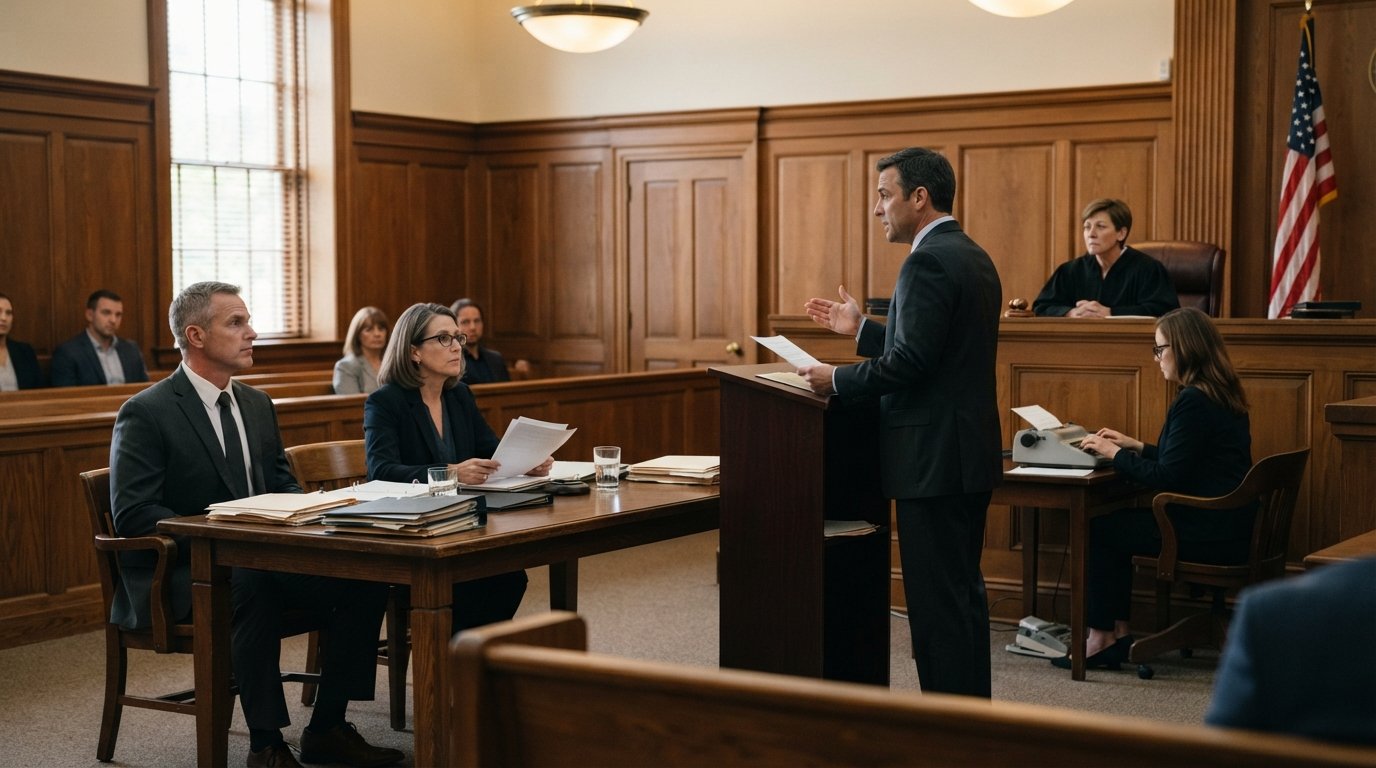
A preliminary hearing in a criminal case in Pennsylvania is a pretrial proceeding where a magisterial district judge decides whether there is enough evidence to send a case to the Court of Common Pleas for trial. Think of it as a gatekeeping step: the prosecution must show probable cause that a crime occurred and that the defendant committed it. If the judge finds probable cause, the case moves forward. If not, the charges may be dismissed or reduced.
This hearing is not a trial. There is no jury, and the judge does not decide guilt or innocence. Instead, the focus is narrow: is there sufficient evidence to justify continuing the case? Because the standard is probable cause rather than proof beyond a reasonable doubt, the bar is lower than what the prosecution must meet at trial. Even so, the preliminary hearing offers the defense an early opportunity to challenge the evidence, lock in witness testimony, and negotiate with the district attorney.
Under Pennsylvania Rule of Criminal Procedure 542, the preliminary hearing must generally be held within 3 to 10 days of the preliminary arraignment if the defendant is in custody. If the defendant is not in custody, the hearing typically occurs within 20 days. These timelines matter because delays can affect the strength of the prosecution's case and the defendant's ability to prepare. For a broader overview of how criminal matters differ from civil disputes, see this comparison of civil versus criminal cases.
It is important to note that a preliminary hearing is distinct from a preliminary arraignment. The arraignment is the first appearance before a magisterial district judge, where the defendant is informed of the charges and bail is set. The preliminary hearing comes later and involves the presentation of evidence. Understanding this sequence helps defendants and their families know what to expect at each stage.
Why the Preliminary Hearing Matters in Pennsylvania Criminal Cases
The preliminary hearing is often the first real opportunity for the defense to see the prosecution's evidence and evaluate the strength of its case. Prosecutors must present witnesses and documents to establish probable cause. Defense attorneys can cross-examine those witnesses, challenge the admissibility of evidence, and argue that the charges should be dismissed or reduced.
For many defendants, the preliminary hearing is also a critical negotiation point. Because the prosecution may be reluctant to proceed if its evidence is weak, defense counsel can sometimes secure a plea deal or a reduction in charges at this stage. In other cases, the hearing preserves witness testimony for trial, which can be valuable if a witness later becomes unavailable or changes their story.
There are several practical reasons why this hearing deserves careful attention. First, it sets the tone for the rest of the case. A strong defense showing at the preliminary hearing can pressure the prosecution to offer more favorable terms. Second, it provides an early look at the evidence, which helps the defense plan its strategy. Third, it creates a record that can be used later to impeach witnesses or challenge the prosecution's case.
It is also worth noting that not every case goes to a preliminary hearing. In some situations, the defendant may waive the hearing, which sends the case directly to the Court of Common Pleas. Waiving the hearing can be a strategic choice, especially if the defense believes the prosecution will file more serious charges or if the parties are close to a plea agreement. However, waiving the hearing also means giving up the opportunity to challenge the evidence early and to cross-examine witnesses.
How the Preliminary Hearing Process Works in Pennsylvania
The preliminary hearing process in Pennsylvania follows a structured sequence. Understanding each step can help defendants and their families feel more prepared and less anxious about what lies ahead.
The hearing begins with the prosecution presenting its case. The district attorney calls witnesses, typically including the arresting officer and any victims or eyewitnesses. These witnesses testify under oath, and the defense has the right to cross-examine them. The prosecution may also introduce physical evidence, such as photographs, documents, or forensic reports, although the rules of evidence are applied more loosely than at trial.
After the prosecution rests, the defense may present its own evidence. In many cases, the defense chooses not to present evidence at this stage, preferring to save its arguments for trial. However, there are situations where presenting evidence at the preliminary hearing can be advantageous, such as when the defense has a strong alibi or when the prosecution's case is weak.
The magisterial district judge then decides whether probable cause exists. If the judge finds probable cause, the case is bound over to the Court of Common Pleas for further proceedings. If the judge finds no probable cause, the charges may be dismissed, although the prosecution can sometimes refile them. The judge may also reduce the charges or modify the bail conditions.
Here is a quick overview of the key steps in a Pennsylvania preliminary hearing:
- Prosecution presents witnesses and evidence to establish probable cause.
- Defense cross-examines prosecution witnesses and may present its own evidence.
- Magisterial district judge determines whether probable cause exists.
- Case is bound over to the Court of Common Pleas, dismissed, or charges are reduced.
- Bail and other conditions may be reviewed or modified.
Each of these steps has strategic implications. For example, the defense may use cross-examination to highlight inconsistencies in the prosecution's case or to lock in witness testimony that can be used later. The prosecution, meanwhile, may use the hearing to gauge the defense's strategy and to test the strength of its own evidence.
Your Rights at a Pennsylvania Preliminary Hearing
Defendants have several important rights at a preliminary hearing in Pennsylvania. These rights are designed to ensure fairness and to protect the accused from an overreach by the prosecution.
First, the defendant has the right to be represented by an attorney. If the defendant cannot afford an attorney, the court may appoint one. Having legal representation at this stage is critical because the decisions made at the preliminary hearing can have lasting consequences. An experienced attorney can cross-examine witnesses effectively, raise objections, and negotiate with the prosecution.
Second, the defendant has the right to confront and cross-examine witnesses. This means the defense can question the prosecution's witnesses and challenge their credibility. This right is particularly important because it allows the defense to expose weaknesses in the prosecution's case early on.
Third, the defendant has the right to present evidence. While many defenses choose not to present evidence at this stage, the option is available. Presenting evidence can be useful if the defense has a strong alibi or if the prosecution's case is based on unreliable witnesses.
Fourth, the defendant has the right to remain silent. The prosecution cannot compel the defendant to testify at the preliminary hearing. In most cases, it is advisable for the defendant not to testify, as anything said under oath can be used against them at trial.
Finally, the defendant has the right to a prompt hearing. As noted earlier, Pennsylvania law sets specific timelines for the preliminary hearing. If the prosecution fails to meet these timelines, the defense may seek a dismissal or other remedies.
Common Outcomes and Strategic Considerations
The outcome of a preliminary hearing can vary widely depending on the facts of the case and the quality of the evidence. In some cases, the judge finds probable cause and the case proceeds to the Court of Common Pleas. In others, the judge dismisses the charges or reduces them. Sometimes the parties reach a plea agreement before or during the hearing.
For defendants, the preliminary hearing is an opportunity to assess the strength of the prosecution's case and to make informed decisions about how to proceed. It is also a chance to negotiate with the district attorney. Because the prosecution may be reluctant to invest resources in a weak case, the defense can sometimes secure a favorable plea deal at this stage.
However, there are risks to consider. If the defense presents evidence at the preliminary hearing, the prosecution may learn about the defense's strategy and adjust its case accordingly. Similarly, if the defendant testifies, the prosecution can use that testimony to impeach the defendant at trial. For these reasons, the decision to present evidence or to have the defendant testify should be made carefully in consultation with an attorney.
It is also important to understand that the preliminary hearing is not the end of the road. Even if the case is bound over for trial, the defense can continue to challenge the evidence through pretrial motions, plea negotiations, and ultimately at trial. The preliminary hearing is just one step in a longer process.
If you are facing criminal charges in Pennsylvania, you do not have to navigate this process alone. LegalCaseReview connects individuals with qualified attorneys through a patented selection process, offering free case evaluations and quick quotes. Whether you need help understanding the charges against you or representation at a preliminary hearing, a free consultation can provide clarity and options. You can request a free case review to explore your legal rights and connect with a vetted attorney in your area.
Preparing for a Preliminary Hearing: Practical Tips
Preparation is key to a successful preliminary hearing. Whether you are a defendant or a family member supporting a defendant, understanding what to expect and how to prepare can reduce stress and improve outcomes.
Start by hiring an experienced criminal defense attorney. An attorney who knows Pennsylvania law and has experience with preliminary hearings can anticipate the prosecution's tactics and develop a strong defense strategy. If you cannot afford an attorney, ask the court to appoint one as soon as possible.
Gather all relevant documents and information. This includes police reports, witness statements, and any evidence that supports your defense. Your attorney will need this information to cross-examine witnesses effectively and to build a case.
Prepare for cross-examination. If you are a witness or if you choose to testify, your attorney can help you prepare for the types of questions you may be asked. Remember that anything you say under oath can be used against you, so it is important to be truthful and consistent.
Understand the possible outcomes. The preliminary hearing can result in the case being bound over for trial, dismissed, or reduced. Knowing the possible outcomes can help you make informed decisions about your case.
Finally, keep communication open with your attorney. Ask questions, express your concerns, and make sure you understand each step of the process. Your attorney is there to advocate for you and to protect your rights.
For more information about the legal process and how to find the right attorney, explore the resources available through LegalCaseReview. The platform provides educational content, case summaries, and a directory of legal professionals to help you make informed decisions.
The preliminary hearing is a critical juncture in a Pennsylvania criminal case. It is an opportunity to challenge the evidence, to negotiate with the prosecution, and to set the stage for the rest of the case. By understanding what happens at this hearing and by working with a skilled attorney, defendants can protect their rights and improve their chances of a favorable outcome. Whether the case ends in dismissal, a plea deal, or a trial, the preliminary hearing is a step that should not be overlooked.