
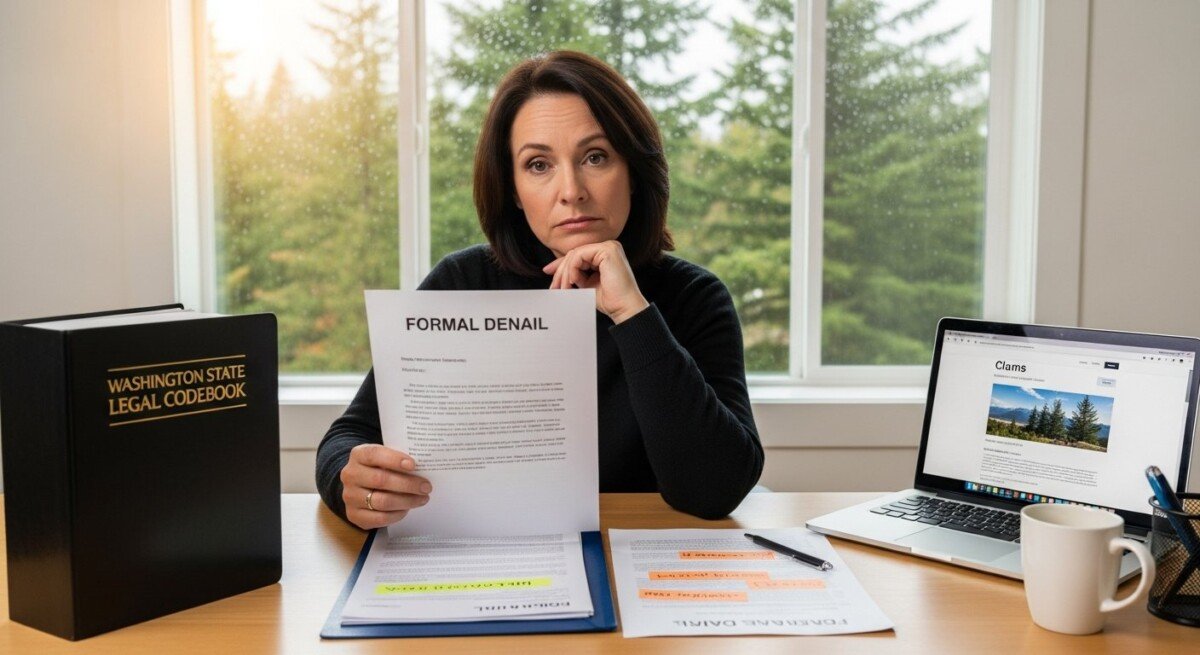
What to Do When Your Seattle Insurance Claim Is Denied
If your insurance claim is denied in Seattle, you have legal options to appeal and fight for payment. Call 833-227-7919 for a free case review.

By Alexander Hayes
Receiving a denial letter from your insurance company can feel like a gut punch, especially when you are counting on that coverage after an accident, property damage, or other loss. In Seattle, where the legal and regulatory landscape is unique, a claim denial is not necessarily the final word. It is the start of a process where your rights and the insurer’s obligations are defined by Washington state law. Understanding this process is your first and most powerful step toward challenging the denial and fighting for the benefits you deserve.
Understanding Why Insurance Companies Deny Claims
Insurance companies are for-profit businesses, and their financial incentive is to collect premiums and pay out as little as possible on claims. Denials are a core part of their business model. While some denials are legitimate based on policy exclusions or a lack of coverage, many are issued in bad faith, relying on policyholders’ confusion or reluctance to fight back. Common reasons for denial in Seattle include allegations that the claim is not covered under your policy language, that you were at fault for the incident, that you failed to mitigate damages, or that there was a delay in reporting the claim. They may also cite “insufficient evidence” or claim your medical treatment was not reasonable or necessary. It is crucial to remember that the initial denial is the insurance company’s position, not an impartial legal ruling. For a deeper look at the tactics insurers use, our resource on how to fight your insurance company for the maximum car accident settlement provides valuable insight.
Your First Steps After a Denial Letter Arrives
Do not panic, but do act promptly. The denial letter is a critical document. First, read it thoroughly. Washington state law requires insurers to provide a specific, written explanation for the denial, citing the policy provisions or reasons upon which they relied. This letter starts the clock on important deadlines. Your immediate actions should be methodical. Contact your insurance agent to get their explanation, though remember they ultimately work for the company. Then, gather and organize every piece of documentation related to your claim and the incident itself. This includes the policy, all correspondence, photos, repair estimates, medical records, and witness statements. Do not post about the incident or the denial on social media, as insurers monitor these platforms. Finally, review your policy’s appeal process, which is often outlined in the denial letter or your policy documents.
The Formal Appeal and Internal Review Process
Most insurance policies have an internal appeals process. This is your formal request for the company to reconsider its decision. It is not a legal proceeding but an administrative one. To be effective, your appeal must be more than a letter expressing frustration. It should be a clear, documented rebuttal to each reason stated in the denial letter. You should include new evidence, point to specific policy provisions that support your position, and correct any factual inaccuracies. Send the appeal via certified mail to ensure proof of delivery and keep a complete copy for your records. The insurer is then obligated to conduct a review, often by a different adjuster or a special unit. While success at this stage is possible, especially with a well-documented appeal, be prepared for the company to uphold its original decision. This internal appeal is generally a required step before you can pursue external remedies.
Escalating Your Fight: External Options in Washington State
If the internal appeal fails, your options become more powerful, and the stakes for the insurance company rise significantly. You are no longer just a policyholder asking for reconsideration, you are a potential litigant invoking state law and regulatory oversight.
Filing a Complaint with the Washington State Office of the Insurance Commissioner
The OIC is the state regulatory body that oversees insurance companies. Filing a complaint with them is a free and impactful step. The OIC will contact your insurer on your behalf and demand a response to the issues you raised. While the OIC cannot force an insurer to pay a claim, its involvement adds regulatory pressure and creates a formal record of the company’s conduct. A pattern of complaints can lead to investigations and fines against the insurer. This step often prompts a more serious review from the insurance company, as they must justify their actions to a government regulator.
Invoking Washington’s Insurance Bad Faith Laws
Washington has strong consumer protection laws that prohibit insurers from acting in “bad faith.” Bad faith occurs when an insurer unreasonably denies a claim, delays payment without justification, fails to properly investigate, or misrepresents policy terms. If you can prove bad faith, you may be entitled to more than just the original claim amount. You could recover your attorney’s fees, court costs, and in some cases, even emotional distress damages and statutory penalties. Proving bad faith is complex and requires demonstrating the insurer’s conduct was unreasonable and deceptive. This legal strategy transforms your case from a simple contract dispute into a tort claim with potentially much higher value, a concept explored in our guide on how to fight your insurance company for the maximum car accident settlement.
The Role of a Seattle Insurance Dispute Attorney
While you can navigate the early steps alone, consulting with an attorney experienced in Washington insurance law is often the decisive factor in overturning a denial. An attorney brings immediate credibility to your case and understands the tactics insurers use. They can handle all communication, preventing you from saying something that could harm your case. A lawyer will perform a detailed analysis of your policy, the denial reasons, and the applicable law to identify weaknesses in the insurer’s position and potential bad faith. They know how to build a compelling demand package and when to escalate to litigation. Perhaps most importantly, an attorney changes the financial calculus for the insurance company. Once you have legal representation, the insurer knows you are serious and that the cost of fighting you, including potential bad faith exposure, may far exceed the value of your claim. This frequently leads to a swift and favorable settlement. The process of fighting your insurance company for the maximum car accident settlement is significantly strengthened with expert legal counsel.
Frequently Asked Questions
How long do I have to appeal an insurance denial in Seattle?
Timelines vary by policy and claim type, but they are often short, sometimes 30 to 60 days from the date of the denial letter. Check your policy and the denial letter immediately. Missing a deadline can forfeit your right to appeal.
What is the most common reason claims are denied?
One of the most common reasons is the insurer’s assertion that the claimed loss is not covered under the specific language of the policy. This is often a matter of interpretation, which is why policy review by an attorney is so critical.
Can I sue my insurance company in Washington state?
Yes. If your appeal is denied and the OIC complaint does not resolve the issue, you can file a lawsuit for breach of contract. If you have evidence of unreasonable conduct, you can also sue for bad faith, which allows for the recovery of additional damages.
What does a bad faith insurance lawsuit involve?
It involves proving the insurer knowingly or recklessly denied your claim without a reasonable basis. This requires gathering internal company documents, correspondence, and expert testimony to show a pattern of unfair claims handling. Success in a bad faith claim, as detailed in our analysis on how to fight your insurance company for the maximum settlement, can result in compensation beyond your policy limits.
How much does it cost to hire a lawyer for a denied claim?
Many insurance dispute attorneys work on a contingency fee basis for bad faith and personal injury claims, meaning they only get paid if you win. For other types of claims, such as property damage, they may work on an hourly basis or a hybrid model. Initial consultations are typically free.
A denied insurance claim in Seattle is a serious setback, but it is not an insurmountable one. The law provides clear pathways for appeal and legal action. By responding strategically, documenting everything, and seeking expert legal advice when needed, you can level the playing field against a powerful insurance company. Your persistence can secure not only the benefits you are owed but also hold the insurer accountable for operating in good faith.