Why a Police Report Matters for Your Accident Claim
After a car accident, the moments that follow can feel chaotic and confusing. You might be checking for injuries, exchanging information with the other driver, and wondering about the damage to your vehicle. In that swirl of activity, one question often arises: how important is a police report in an accident claim? The short answer is that it can be the single most valuable piece of evidence in your case. A police report provides an official, third-party account of the crash, which insurance companies and courts treat with significant weight. Without it, you may find yourself in a he-said-she-said battle that can delay or reduce your settlement. This article explains why that document matters, how it affects your claim, and what steps you should take to protect your rights.
What a Police Report Contains and Why It Carries Weight
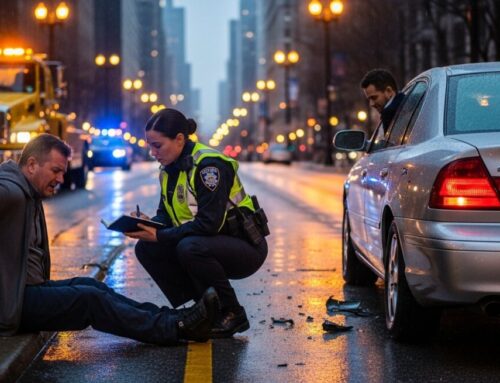
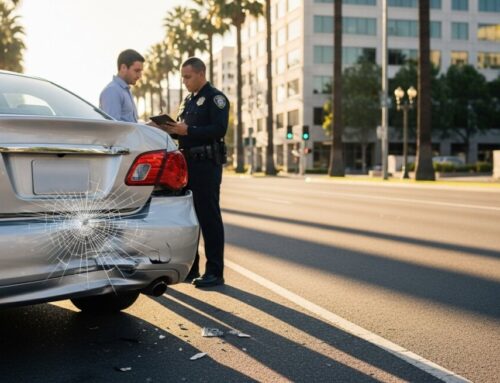
A police report is not just a simple form. It is a detailed record created by a trained officer who responds to the accident scene. The report typically includes the date, time, and location of the crash, the names and contact information of all involved parties, and statements from drivers, passengers, and witnesses. It also contains the officer’s observations about road conditions, weather, and visible damage. Perhaps most importantly, the officer may note any traffic violations, such as speeding or running a red light, and may assign fault based on what they observed.
Insurance adjusters rely heavily on police reports when evaluating claims. Because the officer is a neutral third party, their documentation carries more credibility than a driver’s own account. When you submit a claim, the adjuster will review the report to determine liability and estimate the strength of your case. If the report clearly states that the other driver was at fault, the insurance company is far more likely to offer a fair settlement quickly. On the other hand, if the report is ambiguous or missing, the adjuster may stall or deny the claim.
In some states, including Pennsylvania, the law requires drivers to report accidents to the police if there is injury, death, or property damage above a certain threshold. Even if your state does not mandate a report, requesting one is almost always in your best interest. The report creates an official record that can be used in negotiations or litigation. In our guide on whether you can still claim without a police report, we explain the challenges you may face if you skip this step.
How the Report Strengthens Your Liability Argument
Liability is the legal term for who caused the accident. In a personal injury claim, you must prove that the other driver’s negligence led to your injuries and damages. A police report can make that task much easier. The officer’s narrative often includes a diagram of the crash scene, measurements of skid marks, and a conclusion about the cause of the collision. This information directly supports your version of events.
For example, if you were stopped at a red light and the other driver rear-ended you, the police report will likely state that the other driver failed to stop. That simple statement can be the difference between a quick settlement and a prolonged dispute. Without the report, the other driver might claim that you stopped suddenly or that you were at fault for some other reason. The officer’s impartial assessment cuts through those arguments.
It is important to note that a police report is not always admissible as evidence in court, but it can still be used during settlement negotiations. Most personal injury cases settle before trial, so the report’s influence on the insurance adjuster is often enough. If your case does go to court, your attorney can use the report to refresh witnesses’ memories and to cross-examine the other driver. Even if the officer does not testify, the report can be introduced through other means under certain exceptions to the hearsay rule.
Impact on Insurance Company Decisions
Insurance companies are businesses focused on minimizing payouts. When you file a claim, the adjuster will look for any reason to reduce or deny it. A police report that clearly establishes fault works in your favor, but a report that contains errors or omissions can be used against you. This is why it is critical to review the report for accuracy as soon as it becomes available.
Here are the key ways a police report influences an insurance company’s decision-making process:
- Fault determination: The adjuster uses the officer’s opinion of fault as a starting point. If the report says you were 100% at fault, your claim may be denied outright. If it says the other driver was at fault, the adjuster is more likely to accept liability.
- Settlement amount: A strong police report supports higher settlement offers because it reduces the insurer’s uncertainty. The company knows that if the case goes to court, the report will hurt their defense.
- Claim speed: Cases with clear police reports are processed faster. The adjuster does not need to spend weeks investigating because the facts are already documented.
- Fraud detection: Police reports help insurers identify fraudulent claims. If your account of the accident contradicts the officer’s observations, the adjuster may suspect dishonesty.
Given these factors, it is easy to see why a police report is a cornerstone of most successful accident claims. If you are involved in a crash, do not leave the scene without ensuring that law enforcement has been notified. Even for minor fender benders, a report can protect you from future disputes.
What to Do If the Police Report Contains Errors
Police reports are created by humans, and humans make mistakes. An officer might misspell your name, get the license plate number wrong, or incorrectly describe the direction of travel. More seriously, the officer might assign fault to the wrong driver based on incomplete information. If you discover errors in the report, you have options to correct them.
First, obtain a copy of the report as soon as it is available. In most jurisdictions, you can request it from the police department that responded to the accident. Review every section carefully, paying special attention to the narrative, the diagram, and the officer’s conclusion about fault. If you find an error, contact the officer or the records division and explain what is incorrect. Provide supporting evidence, such as photos or witness statements, to back up your request for a correction.
In some cases, the officer may be willing to amend the report. However, police departments are not always cooperative, especially if the error is minor. If the mistake is significant and the officer refuses to correct it, you should discuss the issue with your attorney. Your lawyer can file a supplemental statement or use other evidence to counter the inaccurate report. This is another reason why it is wise to take your own photos and gather witness contact information at the scene. You cannot rely solely on the police report; you need your own evidence to fill in any gaps.
If you are wondering about your options after an accident where no police report was filed, our article on filing a claim without a police report provides detailed guidance on how to proceed.
The Role of the Police Report in Proving Damages
Beyond liability, a police report also helps prove your damages. Damages refer to the losses you suffered because of the accident, such as medical bills, lost wages, and pain and suffering. While the police report does not directly calculate these amounts, it establishes the context for them. For example, the report may note that you complained of pain at the scene, that an ambulance was called, or that your vehicle had to be towed. These details create a timeline that links the accident to your injuries.
Insurance adjusters look for consistency between the police report and your medical records. If the report says you declined medical treatment at the scene, but you later claim severe injuries, the adjuster may argue that your injuries are not related to the accident. Conversely, if the report shows that you were taken to the hospital immediately, it strengthens the connection between the crash and your medical treatment. This is why you should always mention any injuries to the responding officer, even if they seem minor at the time. Some injuries, like whiplash or soft tissue damage, may not become painful until hours or days later.
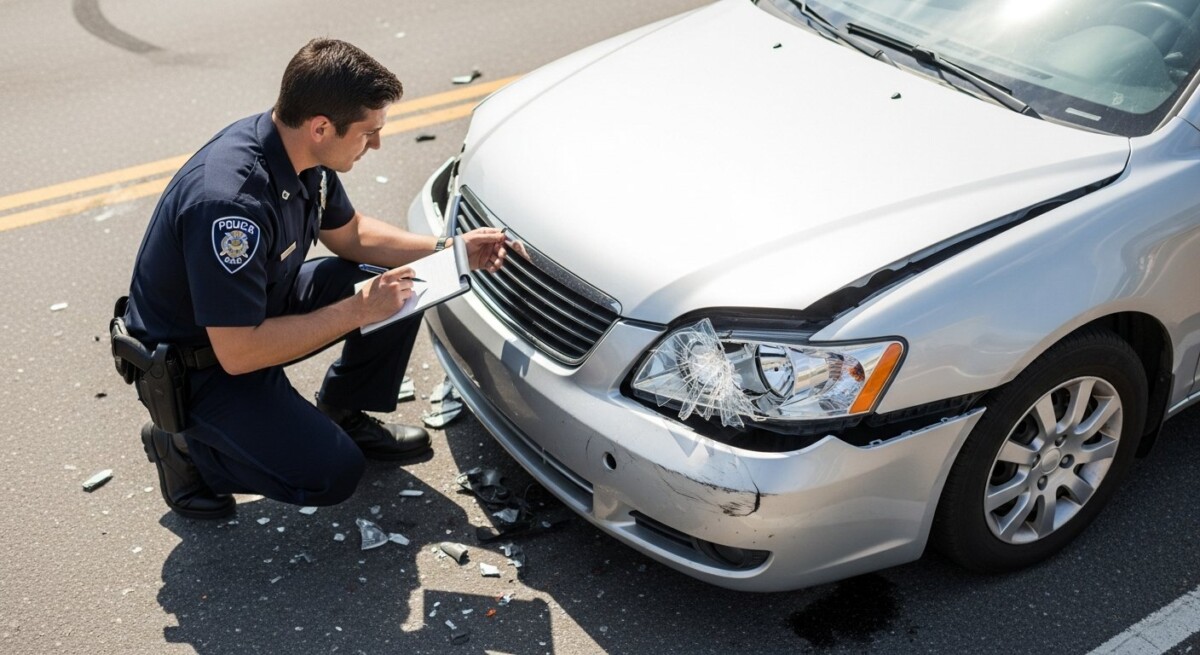
The police report also documents property damage. The officer will note the condition of the vehicles and may include photographs. This information helps your mechanic and your attorney assess the extent of the damage and estimate repair costs. If the other driver’s insurance company tries to downplay the severity of the crash, the police report can contradict that claim.
Frequently Asked Questions About Police Reports and Accident Claims
Is a police report required to file an insurance claim?
No, you can file a claim without a police report, but it is much harder to prove fault and damages. Most insurers prefer to have a report, and some policies require you to cooperate with the investigation, which includes providing any available documentation.
How do I get a copy of my police report?
You can typically obtain a copy from the police department that responded to the accident. Some departments allow you to request it online, while others require an in-person visit or a mailed request. There is usually a small fee.
What if the police report says I was at fault but I disagree?
You can challenge the report by providing your own evidence, such as photos, witness statements, or a reconstruction expert’s analysis. Your attorney can help you file a dispute and negotiate with the insurance company.
Can a police report be used against me in court?
Yes, the report can be used by either party. If the report contains statements you made to the officer, those statements could be introduced as evidence. This is why you should be careful about what you say at the scene. Stick to the facts and avoid admitting fault.
How long does it take to get a police report after an accident?
It varies by jurisdiction. Some reports are available within a few days, while others may take several weeks. You can check with the police department for an estimated timeline.
Final Thoughts on Protecting Your Claim
The importance of a police report in an accident claim cannot be overstated. It provides an official, unbiased record that helps establish fault, supports your damage claims, and speeds up the insurance process. Without it, you risk facing delays, denials, and lower settlement offers. If you are ever in an accident, call the police immediately, cooperate with the officer, and request a copy of the report. Review it for errors and consult with an attorney if you have concerns. Taking these steps can make the difference between a stressful claims process and a smooth recovery. For personalized guidance, reach out to our team at 833-227-7919 to discuss your case and explore your legal options.