Why Lawyers Drop Personal Injury Cases: 7 Key Reasons
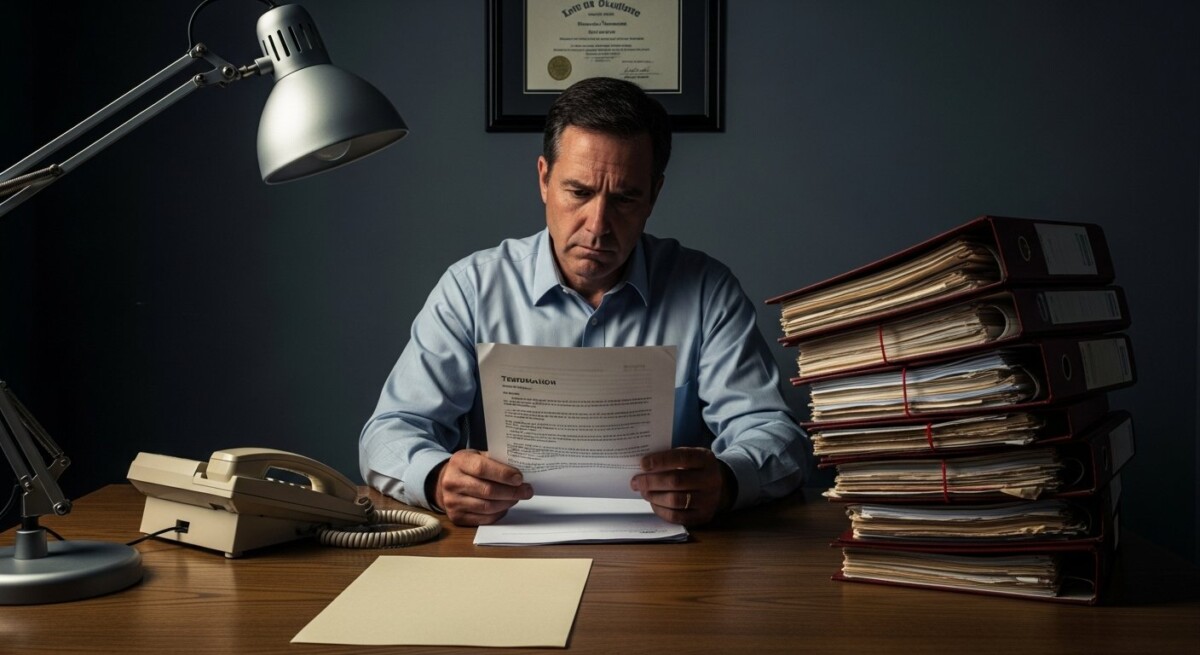
You have a strong case, or so you believe. You hired a personal injury attorney, signed the retainer, and started gathering medical records. Then the phone calls slowed. Emails went unanswered. Eventually, you received a letter: the firm is withdrawing from your case. This scenario is more common than many people realize. Understanding why lawyers drop personal injury cases can save you time, money, and emotional distress. More importantly, it can help you choose the right attorney from the start and keep your claim on track.
Personal injury law operates on a contingency fee basis. That means your lawyer only gets paid if you win. When a firm takes your case, they invest thousands of dollars in court filings, expert witnesses, medical record retrieval, and discovery. If they decide to drop your case, it is almost always a business decision rooted in risk versus reward. Below, we break down the most common reasons attorneys withdraw, what you can do about it, and how to protect yourself before signing a retainer agreement.
1. Insufficient Insurance Coverage or Assets
One of the most frequent reasons why lawyers drop personal injury cases is the lack of adequate insurance or personal assets to cover a settlement or judgment. Even if you suffered severe injuries, your attorney needs a source of compensation. If the at-fault party carries only state-minimum liability insurance and has no significant assets, the potential recovery may be too small to justify the firm’s costs.
For example, imagine you were hit by a driver who has a $15,000 policy limit, but your medical bills already exceed $50,000. Your attorney might file a claim against the policy, but anything beyond that requires collecting from the driver personally. If that driver has no savings, no home equity, and a low income, collecting a judgment becomes nearly impossible. Many firms will drop the case after discovering these limits because they cannot recover enough to cover their expenses and your damages.
If you find yourself in this situation, ask your attorney about uninsured or underinsured motorist coverage on your own policy. In our guide on how to calculate compensation for a personal injury case, we explain how stacking policies can sometimes unlock additional funds. You can also explore whether other parties share liability, such as a vehicle manufacturer or a government entity responsible for road maintenance.
2. Lack of Clear Liability or Weak Evidence
Personal injury cases hinge on proving that someone else was at fault. If the evidence does not clearly establish liability, your attorney may decide the case is too risky. Common scenarios include accidents where fault is disputed, such as rear-end collisions with conflicting accounts, slip-and-fall incidents where the property owner had no notice of the hazard, or medical malpractice cases lacking a clear deviation from the standard of care.
Attorneys evaluate cases based on the likelihood of winning at trial. If liability is murky, the defense will likely file a motion for summary judgment, and the judge may dismiss the case before it ever reaches a jury. Even if the case survives, the uncertainty reduces settlement value. A firm may drop the case after depositions reveal damaging testimony or after an expert witness changes their opinion.
To avoid this, provide your attorney with every piece of evidence as soon as possible. Photos, witness contact information, police reports, and surveillance footage can make or break your case. If you have not yet hired a lawyer, read our post on how to find the best personal injury lawyer for your case to learn what questions to ask during the initial consultation.
3. Client Non-Cooperation or Communication Breakdown
Attorneys depend on you to provide information, attend medical appointments, and respond to discovery requests. If you miss deadlines, fail to return calls, or refuse to follow your doctor’s treatment plan, the firm may withdraw. This is one of the most preventable reasons why lawyers drop personal injury cases.
Consider a client who misses three physical therapy sessions, causing the defense to argue that the injuries are not serious. Or a client who fails to disclose a prior workers’ compensation claim, leading to an embarrassing cross-examination at deposition. These failures damage the case’s credibility and expose the attorney to ethical risks. Under state bar rules, a lawyer must withdraw if continuing the representation would violate ethics rules or if the client has made it unreasonably difficult to carry out the representation.
To stay in good standing with your attorney, respond to communications within 24 hours, keep all appointments, and be honest about your medical history and prior claims. If you have trouble understanding legal documents, ask for an explanation rather than ignoring them. A small effort on your part can prevent a costly withdrawal.
4. Pre-Existing Conditions and Medical Gaps
Insurance defense attorneys love to argue that your injuries were pre-existing or unrelated to the accident. If you have a history of back pain, arthritis, or prior surgeries, the defense will seize on that. Your attorney needs strong medical evidence linking the accident to your current condition. If your medical records show a long gap between the accident and treatment, or if your doctor cannot distinguish between old and new injuries, the case weakens.
Some law firms conduct an initial medical review and find that the client’s injuries do not meet the threshold for serious impairment required by state law. In no-fault states like Pennsylvania, you must show that your injuries fall under a specific legal definition before you can sue for pain and suffering. If your medical records do not support that threshold, the firm may drop the case.
If you have pre-existing conditions, be upfront with your attorney from the start. Your lawyer can request your prior medical records and work with your doctor to create a clear narrative. If you need guidance on state-specific rules, our article on why you need a personal injury lawyer in Kansas City explains how local laws affect case viability.
5. The Case Is Too Small for the Firm’s Business Model
Large personal injury firms operate on volume and efficiency. They typically look for cases with clear liability, significant damages, and high-limit insurance policies. If your case involves relatively minor injuries, low medical bills, or a claim worth less than $10,000, the firm may decide it is not worth their time. This is not a reflection on you or your injuries. It is a simple economic calculation: the firm’s overhead, staff salaries, and marketing costs require a certain average case value to remain profitable.
Some firms will drop smaller cases after the initial investigation reveals limited damages. Others will refer you to a smaller firm or solo practitioner who can handle the case profitably. If your case gets dropped for this reason, do not give up. Smaller firms often provide more personalized attention and have lower overhead, allowing them to take cases that larger firms reject.
When interviewing attorneys, ask about their typical case size and whether they have a minimum threshold for acceptance. This upfront conversation can prevent a later withdrawal.
6. Ethical Conflicts or Legal Barriers
Sometimes, the attorney discovers a conflict of interest after accepting your case. For example, the at-fault party might be a current client of the firm, or the lawyer may have a prior relationship with a key witness. In other situations, a statute of limitations may have expired, or the case involves a government entity with strict notice requirements that were not met.
Attorneys have a duty to withdraw if a conflict cannot be waived or if continuing the representation would violate ethical rules. This is rare, but it happens. If your lawyer drops your case due to a conflict, ask for a written explanation and a referral to another attorney. Most firms will provide a list of trusted colleagues who can take over.
If you suspect a conflict, do not wait. Ask your attorney directly. A proactive approach can save weeks of lost time.
7. The Client’s Criminal Record or Credibility Issues
Your credibility is the foundation of your case. If you have a criminal record involving fraud, perjury, or dishonesty, the defense will use it to attack your testimony. Similarly, if you posted photos on social media showing you engaging in physical activities while claiming to be severely injured, your case collapses.
Attorneys will investigate your background and social media presence before trial. If they find damaging information, they may drop the case to avoid being associated with a client who appears dishonest. Even if the information is misleading, the appearance of impropriety can destroy settlement value.
The best defense is to be honest with your attorney about your background and to avoid posting anything related to your case online. If you need advice on managing social media during litigation, our guide on why you should hire a personal injury lawyer in Chicago includes tips on protecting your digital footprint.
Frequently Asked Questions
Can a lawyer drop my case without warning?
In most states, a lawyer must file a motion to withdraw with the court and give you reasonable notice. You will typically receive a letter explaining the reasons. However, some firms stop working on a case before formally withdrawing. If you suspect your case has been abandoned, contact the firm in writing and request a status update.
What happens to my case if my lawyer drops it?
You have the right to hire a new attorney. The original firm must return your file and any unearned fees. You may face a delay while the new attorney reviews the case, but you are not legally obligated to continue without representation. If you are close to the statute of limitations deadline, act immediately.
Can I sue my lawyer for dropping my case?
You can file a malpractice claim if the withdrawal caused you harm, such as missing a statute of limitations. However, most withdrawals are legally permissible if the attorney followed ethical rules. Consult with a legal malpractice attorney to evaluate your options.
How can I prevent my lawyer from dropping my case?
Choose an attorney who specializes in your type of injury, be honest about your history, follow medical advice, respond to communications promptly, and avoid social media posts about your case. These steps minimize the risk of withdrawal.
Do I still owe fees if my lawyer drops my case?
Under a contingency fee agreement, you typically owe nothing if the lawyer withdraws before obtaining a settlement or judgment. However, you may be responsible for out-of-pocket costs if the contract allows it. Review your retainer agreement carefully.
Understanding why lawyers drop personal injury cases empowers you to make better decisions from the moment you hire an attorney. Not every case is a winner, and not every attorney is the right fit for your situation. If your lawyer withdraws, do not take it personally. Use the experience to find a firm that aligns with your needs and has the resources to see your case through. A strong attorney-client relationship built on clear communication and realistic expectations gives you the best chance at a fair outcome. If you have questions about your specific situation, contact a qualified personal injury attorney near you.