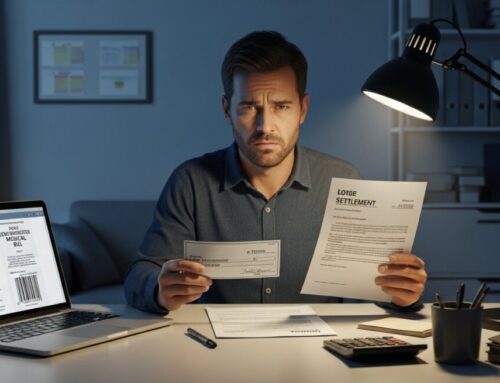
No Witness in Car Accident Case: What Happens Next
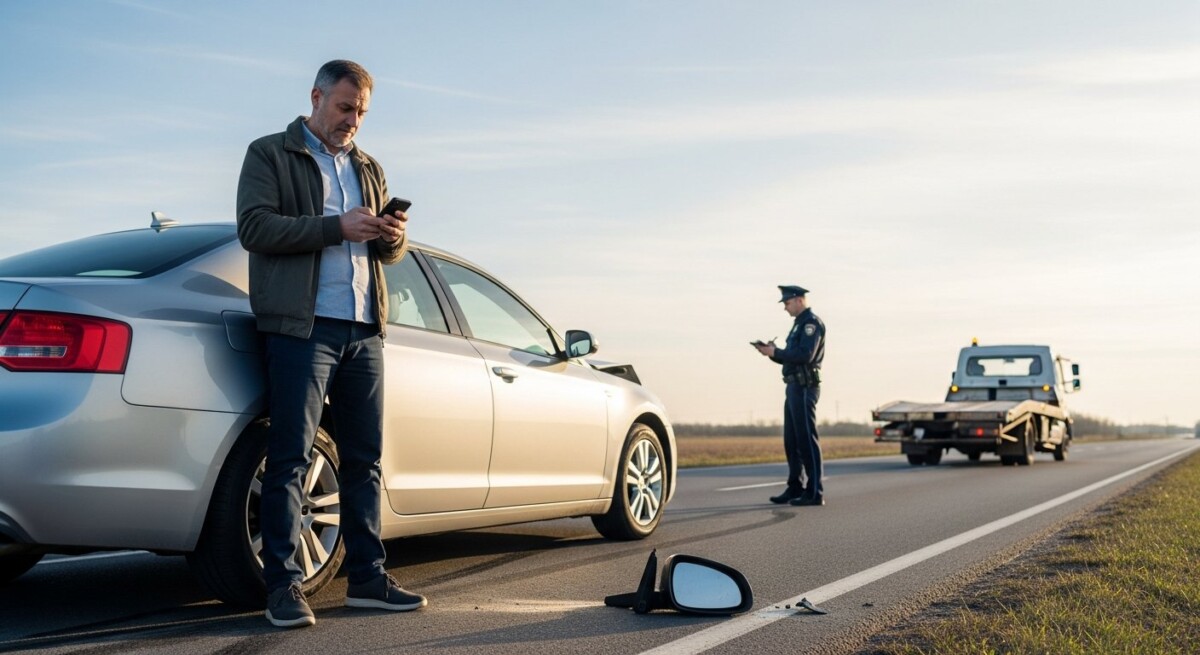
Being involved in a car accident is stressful enough. When you realize there were no independent witnesses to confirm your version of events, the situation can feel overwhelming. You may wonder how you can prove what happened without a neutral third party to back you up. This is a common concern, and the answer involves a combination of physical evidence, legal strategy, and your own testimony. Understanding what steps to take after a crash with no witnesses can make the difference between a successful claim and a costly dispute.
Why Witnesses Matter in Car Accident Cases
Witnesses serve as an objective pair of eyes. They can describe how the collision occurred, who had the right of way, and whether any driver was speeding or distracted. Insurance adjusters and juries often give significant weight to unbiased witness accounts because these individuals have no financial stake in the outcome. Without a witness, the case often becomes a credibility contest between two drivers. Each party gives their own account, and without corroboration, the insurance company may deny liability or offer a lower settlement.
However, the absence of a witness does not mean your case is hopeless. Physical evidence and expert analysis can fill the gap. In our guide on car accident claim evidence needed to win, we break down the types of proof that can substitute for eyewitness testimony. The key is to act quickly and methodically to preserve every piece of available evidence before it disappears.
Can You Win a Car Accident Claim Without a Witness?
Yes, you can win a car accident claim without a witness, but it requires a stronger reliance on other forms of evidence. Courts and insurance companies understand that many accidents occur in remote areas, late at night, or in conditions where no one else is around. They do not automatically reject a claim simply because no independent witness exists. Instead, they evaluate the totality of the evidence.
Several factors influence the outcome of a no-witness case:
- Physical evidence at the scene: Vehicle damage patterns, skid marks, debris location, and final resting positions of the vehicles.
- Police report: The responding officer’s observations, including their opinion on fault based on physical evidence.
- Photographs and video: Images taken immediately after the crash, as well as any nearby surveillance or dashcam footage.
- Medical records: Documentation of injuries and their consistency with the described collision dynamics.
- Your own testimony: A clear, consistent, and detailed account of the accident provided under oath.
Each of these elements can compensate for the lack of a witness. The more evidence you gather, the stronger your position becomes. An experienced attorney can help you identify and preserve these critical pieces of proof.
Steps to Take Immediately After a No-Witness Accident
Preserve Physical Evidence at the Scene
If you are physically able, stay at the scene and document everything. Take photos from multiple angles, showing the positions of both vehicles, the surrounding road conditions, traffic signs, and weather. Capture close-ups of damage to both cars. Look for skid marks, broken glass, and any other debris. These details can help reconstruct the crash.
Do not move your vehicle until police arrive unless it is blocking traffic and you are instructed to do so. The final resting position of the cars is a powerful piece of evidence. If you move them, you lose that information. If the other driver claims a different version of events, the physical evidence can contradict them.
Search for Hidden Cameras and Recording Devices
Even if no human witness stopped, technology might have captured the accident. Look around for security cameras on nearby buildings, traffic cameras at intersections, doorbell cameras on homes, or dashcams in other parked cars. Note the locations of any cameras you see. Ask businesses or homeowners for footage as soon as possible, because many recording systems overwrite old data within 24 to 72 hours.
If you have a dashcam in your own vehicle, save that footage immediately. Do not rely on the memory card staying intact. Copy the file to your phone or computer and keep the original untouched. Dashcam footage is often the single most persuasive piece of evidence in a no-witness case.
Notify Your Insurance Company Promptly
Report the accident to your own insurance company as soon as possible. Provide them with the facts you have, but stick to what you know for certain. Avoid speculating about fault or making statements that could be used against you later. Your policy likely requires prompt notification, and delaying can jeopardize your coverage. If you have legal consultation for car accident cases, your attorney can handle communications with the insurance company on your behalf.
How Insurance Companies Handle No-Witness Claims
Insurance adjusters are trained to evaluate claims based on available evidence. When no witness exists, they rely heavily on the police report, damage analysis, and the consistency of each party’s story. They will look for red flags such as contradictory statements, delays in reporting, or a lack of documented injuries. If your account is clear and supported by physical evidence, the adjuster is more likely to accept your version.
However, if the other driver tells a different story and there is no witness or video to resolve the conflict, the adjuster may deny liability or offer a reduced settlement. In such cases, the claim may enter a dispute phase. This is where having strong evidence and legal representation becomes crucial. An attorney can present your evidence in a persuasive manner and negotiate for a fair outcome.
If your car accident claim is denied, do not give up. A denial is not the end of the road. You have options, including filing an appeal with the insurance company, requesting arbitration, or filing a lawsuit. Each option has its own timeline and requirements, and an attorney can advise you on the best path forward based on the specifics of your case.
The Role of Accident Reconstruction Experts
In complex no-witness cases, accident reconstruction experts can be invaluable. These professionals use physics, engineering, and forensic analysis to determine how the crash occurred. They examine vehicle damage, tire marks, road conditions, and other physical evidence to create a scientific reconstruction of the event. Their reports and testimony can carry significant weight in negotiations or in court.
For example, if one driver claims they were stopped and the other says they ran a red light, an expert can analyze the impact angles and damage patterns to determine which version is more consistent with the physics of the collision. This objective analysis can tip the scales in your favor even when no witness is available.
Understanding the Timeline of a No-Witness Claim
Claims without witnesses often take longer to resolve because more investigation is required. The insurance company may request additional documentation, photographs, or expert reports before making a decision. You should be prepared for a process that could extend several weeks or months. Patience and thoroughness are essential.
Understanding the timeline of car accident claim settlement can help you set realistic expectations. The key phases include investigation, demand submission, negotiation, and resolution. Each phase can be delayed if evidence is incomplete or if liability is disputed. Staying proactive and responsive to requests from your attorney and the insurance company can help move things along.
Frequently Asked Questions
Can I sue the other driver if there are no witnesses?
Yes, you can file a lawsuit even without witnesses. You will need to rely on other evidence such as photographs, police reports, and expert testimony to prove your case. The burden of proof is on you to show that the other driver was at fault by a preponderance of the evidence, meaning it is more likely than not that they caused the accident.
What if the other driver lies about the accident?
If the other driver provides a false account, your evidence becomes even more important. Physical evidence, dashcam footage, and consistent testimony can expose inconsistencies in their story. An attorney can depose the other driver under oath and challenge their version of events. Lying under oath carries serious legal consequences, which can work in your favor.
How long do I have to file a claim after a no-witness accident?
The statute of limitations varies by state. In most states, you have between one and three years from the date of the accident to file a personal injury lawsuit. However, it is wise to begin the claims process as soon as possible while evidence is still fresh and available. Waiting too long can result in lost evidence and missed deadlines.
Will my insurance rates go up if I make a claim?
Filing a claim can lead to increased premiums, especially if you are found partially at fault. However, if the other driver is clearly at fault and you have strong evidence, your rates may not increase. Some policies include accident forgiveness provisions. Review your policy or speak with your agent to understand how a claim might affect your rates.
Do I need a lawyer if there are no witnesses?
While not legally required, having a lawyer is highly recommended in no-witness cases. An attorney can help gather evidence, negotiate with insurance companies, and build a strong case on your behalf. They can also identify expert witnesses and reconstruction specialists who can strengthen your claim. Without a lawyer, you may struggle to navigate the complexities of the claims process and could end up with a lower settlement.
The absence of a witness in a car accident case does not mean you have no recourse. By focusing on physical evidence, acting quickly, and seeking professional legal guidance, you can still pursue a fair outcome. Every case is unique, but the principles of evidence and advocacy apply across the board. If you find yourself in this situation, take a deep breath, document everything, and consult with an experienced attorney who can help you navigate the road ahead.