What Happens if a Car Accident Case Goes to Trial
Most car accident claims settle long before a judge or jury gets involved. Insurance companies usually prefer to pay a negotiated amount rather than risk a courtroom verdict. But sometimes, settlement talks fail. When that happens, you may wonder what happens if car accident case goes to trial and how the process will unfold. The short answer is that your case enters a structured legal process with strict deadlines, formal evidence rules, and a final decision that either party can appeal. Understanding this process before it starts can reduce your anxiety and help you make smarter decisions with your attorney.
Going to trial is not a single event. It is a sequence of phases that can stretch over many months. Each phase requires preparation, and the outcome depends heavily on the quality of your evidence and the credibility of your witnesses. If you are facing this situation, you need to know what to expect, how to prepare, and what risks come with a courtroom fight. This guide walks through the entire trial process, from pre-trial motions to the final verdict.
Why Some Car Accident Cases End Up in Court
Before you can understand what happens if car accident case goes to trial, you need to understand why some cases fail to settle. The most common reason is a disagreement over fault. The other driver may deny responsibility, or their insurance company may argue that you share a significant portion of the blame. In states with comparative negligence rules, even a small percentage of fault can reduce your recovery dramatically.
Another major reason is a dispute over damages. The insurance company may argue that your injuries are not as severe as you claim, or that your medical treatment was unnecessary or excessive. They might hire independent medical examiners to challenge your doctor’s findings. If the gap between your demand and their offer remains wide, both sides may decide that a trial is the only way to resolve the impasse.
Finally, some cases go to trial because the insurance company simply refuses to offer a fair amount. They may calculate that you lack the resources to fight, or they may be protecting a larger pattern of claims. In these situations, a trial becomes a strategic necessity rather than a choice.
The Pre-Trial Phase: What Happens Before Court Begins
Once your case is scheduled for trial, the pre-trial phase kicks in with a flurry of activity. Your attorney will file pre-trial motions, which are formal requests asking the judge to make certain rulings. For example, a motion in limine may ask the judge to exclude certain evidence from being shown to the jury, such as irrelevant prior accidents or inflammatory photos. A motion for summary judgment asks the judge to decide the case without a trial because the facts are undisputed.
Discovery also accelerates during this phase. Both sides exchange final witness lists, exhibit lists, and expert reports. Your attorney may depose the other driver’s experts, while their attorneys may depose your doctors. These depositions are recorded testimony taken under oath, and they can make or break a case. If an expert contradicts themselves during a deposition, the jury may hear about it later.
You will also attend a pre-trial conference with the judge and the opposing counsel. During this meeting, the judge may push both sides to settle one last time. Judges often dislike trials because they consume court resources, so they may strongly encourage a negotiated resolution. You should listen carefully to your attorney’s advice during these negotiations, but you should also be prepared to walk away if the offer remains unfair.
Jury Selection and Opening Statements
If no settlement is reached, the trial begins with jury selection, a process known as voir dire. During voir dire, attorneys question potential jurors about their backgrounds, biases, and experiences with car accidents. The goal is to seat a jury that is impartial and likely to view the evidence fairly. You and your attorney can dismiss a limited number of jurors without giving a reason, a process called peremptory challenge.
Once the jury is sworn in, both attorneys deliver opening statements. These are not arguments; they are roadmaps of what each side expects the evidence to show. Your attorney will tell the jury your side of the story, describing the accident, your injuries, and the impact on your life. The defense attorney will offer a competing narrative, often minimizing your injuries or shifting blame. Opening statements set the tone for the entire trial, so they must be clear and compelling.
What to Expect During Opening Statements
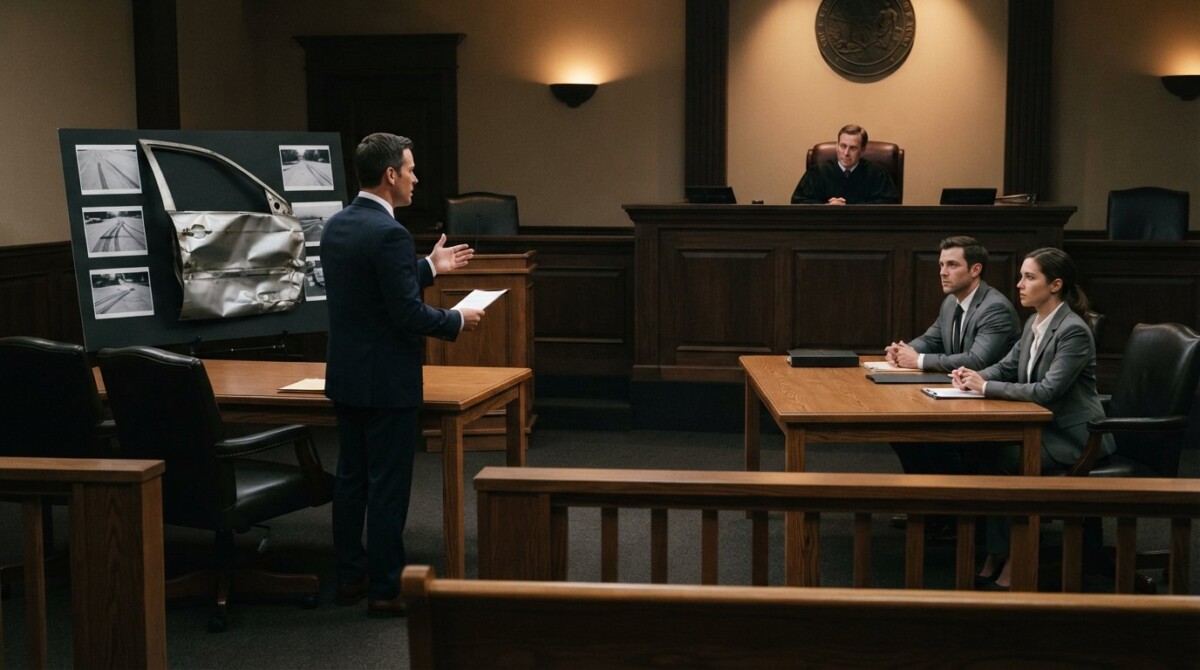
Do not expect dramatic courtroom scenes like those in movies. Opening statements are usually measured and factual. Your attorney will reference specific evidence, such as police reports, medical records, or photographs of the crash scene. The defense will do the same. The key is that both sides are trying to frame the case in a way that favors their interpretation of the facts.
Presenting Evidence: Witnesses and Exhibits
The heart of any trial is the presentation of evidence. The plaintiff, which is your side, presents first. Your attorney will call witnesses, including you, your doctors, accident reconstruction experts, and anyone who saw the crash. Each witness is questioned directly, then the defense attorney has a chance to cross-examine them. Cross-examination is designed to poke holes in the testimony, so you should expect tough questions about your medical history, your activities after the accident, and any prior statements you made.
Physical evidence also plays a central role. This can include medical bills, repair estimates, photographs of the vehicles, traffic camera footage, and even data from the car’s event data recorder. Your attorney will introduce these items through witnesses to establish their authenticity. The judge may rule on objections from the defense, and some evidence may be excluded entirely.
Expert testimony often becomes the deciding factor in a car accident trial. An accident reconstruction expert can explain how the collision occurred using physics and engineering principles. A medical expert can testify about the permanence of your injuries and the necessity of future treatment. An economist can calculate the value of lost earning capacity. These experts are expensive, but their testimony can be invaluable.
The Role of Your Testimony
Your own testimony is usually the most personal and impactful part of the trial. You will need to describe the accident and its aftermath in detail, including your pain, your emotional distress, and the ways your life has changed. You should answer questions honestly and directly, without exaggeration. The jury will be watching your demeanor closely, so staying calm and composed is essential. If you have questions about how to handle this process, consider seeking a legal consultation for car accident cases in Dallas or your own area to get personalized guidance.
Cross-Examination and Challenging the Defense
After your side rests, the defense presents its case. They may call their own expert witnesses, such as a biomechanical engineer who argues that your injuries were not caused by the crash. They may also call the other driver, who will likely offer a different version of events. Your attorney will cross-examine each defense witness, attempting to undermine their credibility and highlight inconsistencies.
Cross-examination is where skilled attorneys earn their fees. A good lawyer can extract concessions from hostile witnesses, forcing them to admit facts that help your case. For example, a defense expert might admit that they did not review all of your medical records before forming an opinion. These small admissions can add up and sway the jury.
Closing Arguments and Jury Deliberation
Once both sides have presented their evidence, the trial moves to closing arguments. This is your attorney’s final opportunity to summarize the evidence and persuade the jury to rule in your favor. The defense will do the same. Closing arguments are often emotional, but they are grounded in the evidence presented during the trial.
After closing arguments, the judge gives the jury instructions. These instructions explain the legal standards the jury must apply, such as the burden of proof and the definition of negligence. The jury then retires to deliberate. Deliberations can take hours or days, depending on the complexity of the case. If the jury cannot reach a unanimous decision, the judge may declare a mistrial, which means the case would need to be retried with a new jury.
The Verdict and What Comes After
If the jury finds in your favor, they will award a specific amount of damages. This award can cover medical expenses, lost wages, pain and suffering, and other losses. However, the verdict is not the end of the story. The losing side can file post-trial motions, asking the judge to overturn the verdict or reduce the award. They can also appeal the decision to a higher court, which can delay your recovery by months or even years.
If the jury finds against you, you will receive nothing. In some cases, you may even be ordered to pay the defendant’s court costs. This is the harsh reality of litigation. It is why so many attorneys recommend settling when the offer is reasonable. However, if the defense refuses to offer a fair amount, going to trial may be your only viable option.
It is also important to understand that a trial is not a guaranteed victory. Even strong cases can lose due to a sympathetic defendant or a skeptical jury. This is why attorneys carefully evaluate the risks before recommending a trial. To better understand these risks, you might review our analysis of what happens when there is no witness in a car accident case, as witness testimony often impacts trial strategy.
How to Prepare for the Stress of Trial
Trials are stressful, both emotionally and financially. You will need to take time off work, relive the trauma of the accident, and endure aggressive questioning from the defense. To manage this stress, you should prepare thoroughly with your attorney. Review your testimony multiple times, organize your medical records, and discuss potential outcomes with your legal team.
You should also prepare for the financial reality of a trial. Most personal injury attorneys work on a contingency fee basis, meaning they only get paid if you win. However, you may still be responsible for court costs, expert witness fees, and other litigation expenses. These costs can be substantial, so you should discuss them in advance with your attorney.
Frequently Asked Questions
How long does a car accident trial take?
A single trial typically lasts between three and ten days, depending on the number of witnesses and the complexity of the evidence. However, the entire process from filing the lawsuit to the final verdict can take anywhere from six months to two years.
Should I accept a settlement offer instead of going to trial?
It depends on the amount offered and the strength of your case. A settlement provides certainty and avoids the risk of a defense verdict. However, insurance companies often make lowball offers, and a trial may yield a higher recovery. Your attorney can help you weigh the options.
What percentage of car accident cases go to trial?
Only about 2% to 5% of car accident cases actually go to trial. The vast majority settle during negotiations or mediation. Cases that go to trial are usually those with significant disagreements over liability or damages.
Can I switch lawyers before my trial starts?
Yes, you can switch lawyers, but it is complicated and potentially costly. Your new attorney will need time to review the case file and may need to continue the trial date. If you are unhappy with your current attorney, address your concerns directly with them first.
Facing a trial is a serious undertaking, but you do not have to navigate it alone. If you are dealing with an insurance dispute after a car accident or a stalled settlement, understanding the trial process is your first step toward protecting your rights. For those seeking injury compensation after a car accident, a trial may be the only way to secure the justice you deserve. Your attorney will guide you through each phase, from pre-trial motions to the final verdict, ensuring that your story is heard and your evidence is presented clearly.