Can I File a Claim If Not Directly Involved in a Las Vegas Accident
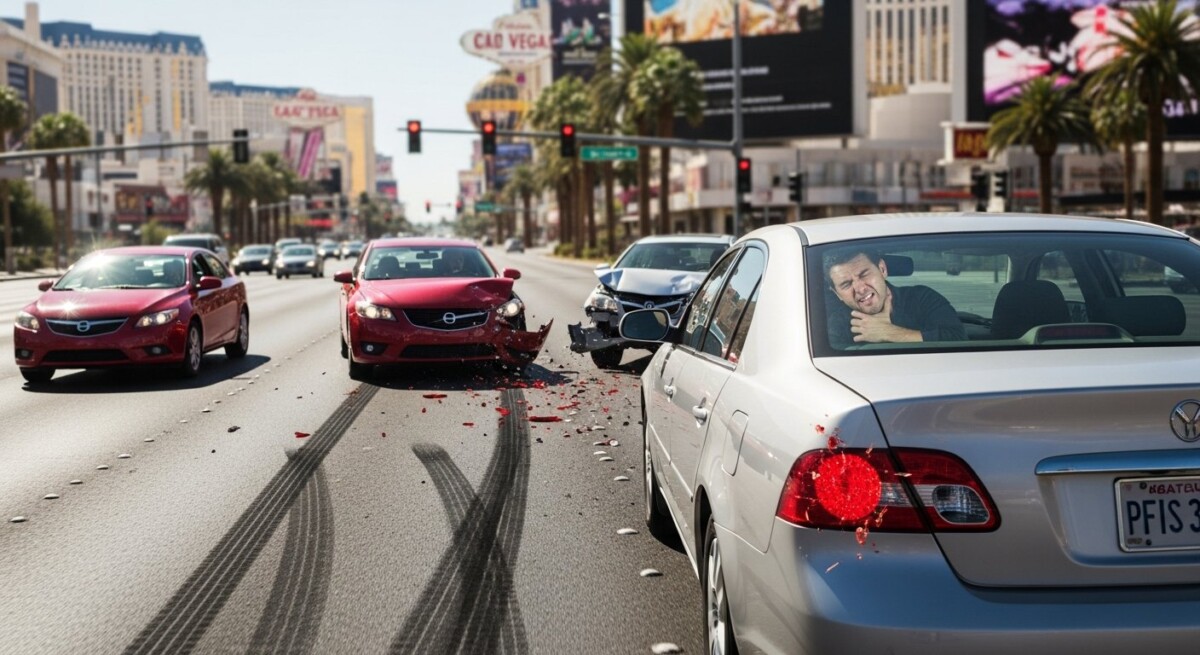
Imagine this: you are driving through the Las Vegas strip with your family when a driver runs a red light and slams into the car three vehicles ahead. You are not hit, but the sudden stop and the shock cause you to jerk forward, straining your neck. Later that day, you feel a throbbing pain in your shoulders and a headache that will not fade. You wonder: can I file for a claim if I wasn’t directly involved in the accident in Las Vegas? The short answer is yes, under certain conditions. Nevada law allows bystanders, witnesses, or secondary victims to pursue compensation if they suffer physical or emotional harm from an accident they did not physically collide with. This article breaks down when a non-involved party can claim damages, what evidence is required, and how to navigate the unique legal landscape of Clark County.
Las Vegas traffic accidents often involve multiple vehicles, sudden lane changes, and unpredictable pedestrians. Even if your car was not struck, the chain reaction of a crash can cause injuries through whiplash, airbag deployment from sudden braking, or psychological trauma from witnessing a catastrophic event. The key legal concept here is “proximate cause.” You must prove that the at-fault driver’s actions directly caused your injury, even without physical contact. For example, if you swerved to avoid a collision and hit a curb, causing spinal damage, you may still have a valid claim. In our guide on can children file a personal injury lawsuit, we discuss how even those who are not the primary victim can recover damages when negligence is established.
Understanding Nevada’s Liability Rules for Non-Involved Parties
Nevada operates under a modified comparative negligence system. This means your compensation is reduced by your percentage of fault. If you were not directly involved in the accident, your fault is typically zero unless you contributed to the crash in some way, such as cutting off the at-fault driver or failing to yield. To file a claim, you must demonstrate that the defendant owed you a duty of care, breached that duty, and that breach caused your injuries. A common scenario involves a pedestrian who witnesses a severe crash and develops post-traumatic stress disorder (PTSD). While Nevada law generally requires a physical impact for emotional distress claims, exceptions exist for close family members or those who were in the “zone of danger.”
The “zone of danger” test asks whether you were physically close enough to the accident to fear for your own safety. If you were standing on the sidewalk and a car jumped the curb, missing you by inches, you may recover for emotional distress even without being struck. However, the court will scrutinize the severity of your emotional injury. You must present medical records or testimony from a licensed therapist to prove the distress is genuine and not merely fleeting anxiety. This is a higher bar than for physical injuries, but it is achievable with proper documentation. For those who were in a vehicle that was part of the accident chain but not hit, the physical injury from sudden braking or jerking is often easier to prove because it is visible on an MRI or X-ray.
Types of Claims Available to Non-Involved Parties in Las Vegas
When you ask, “Can I file for a claim if I wasn’t directly involved in the accident in Las Vegas?” the answer depends on the type of harm you suffered. Below are the most common claim categories recognized by Nevada courts.
Physical Injury Claims Without Impact
Whiplash is the most frequent injury for non-involved drivers. When you slam on your brakes to avoid a crash, your head snaps forward and backward, straining the soft tissues in your neck. This injury can occur even if your car does not touch another vehicle. Similarly, hitting a pothole or curb while evading a collision can cause back injuries, herniated discs, or concussions. To win this claim, you need a doctor’s report linking the injury to the evasive maneuver. Insurance adjusters may argue that your injury pre-existed, so having a baseline medical record from a recent checkup helps.
Emotional Distress and PTSD Claims
Witnessing a severe crash, especially one involving a loved one, can lead to lasting psychological harm. Nevada recognizes negligent infliction of emotional distress (NIED) for plaintiffs who were in the zone of danger or who are close relatives of the primary victim. For instance, if you were driving behind your spouse and saw their car get T-boned, you may recover for the trauma of watching the event. You must show that your emotional reaction is severe and debilitating. A diagnosis of PTSD from a licensed psychiatrist strengthens your case significantly. In some instances, you can also recover for loss of consortium if your spouse is permanently injured.
Property Damage Claims for Near-Miss Accidents
If you were not hit but your vehicle suffered damage from debris, falling cargo, or a secondary collision caused by the accident, you can file a property damage claim. For example, a truck loses its load on the 15 freeway, and you run over a piece of metal that punctures your tire and damages the undercarriage. The at-fault driver’s insurance should cover repair costs. Document the scene with photos, collect witness statements, and file a police report to create an official record.
Essential Steps to Strengthen Your Claim
If you are considering a claim as a non-involved party, take these steps immediately after the accident to protect your legal rights.
- Seek medical attention right away, even if you feel fine. Adrenaline can mask injuries, and a prompt evaluation creates a medical link between the accident and your symptoms.
- Gather evidence at the scene: take photos of the vehicles, your position, skid marks, and any debris. Record the license plates of all involved cars and the contact information of witnesses.
- File a police report with the Las Vegas Metropolitan Police Department. The report will note that you were present and may describe your vehicle as “involved but not struck.” This official documentation is critical for insurance adjusters.
- Do not speak to the at-fault driver’s insurance company without a lawyer. Adjusters may ask leading questions to minimize your role. Politely decline to give a recorded statement until you have legal counsel.
These steps are vital because insurance companies often deny claims from non-involved parties, arguing that the injuries are unrelated. By building a paper trail from day one, you counter that argument. If your injuries are severe, consider hiring a Las Vegas personal injury attorney who understands the nuances of crash reconstruction and proximate cause. They can hire experts to prove that your sudden braking or evasive maneuver was a direct result of the at-fault driver’s negligence.
Challenges You May Face and How to Overcome Them
Filing a claim when you were not directly involved presents unique hurdles. The biggest challenge is proof of causation. Without physical contact, the defense may claim your injury could have happened at any time. For example, if you have a history of neck pain, the adjuster might argue that your current ache is from sleeping wrong, not from the accident. To overcome this, your medical records must show a clear temporal relationship. A note from your doctor stating, “Patient developed acute whiplash symptoms within hours of the evasive maneuver on [date]” is powerful evidence.
Another obstacle is Nevada’s statute of limitations. You generally have two years from the date of the accident to file a personal injury lawsuit. However, if you are filing a claim against a government entity, such as a city bus or a government employee, you may have only six months to file a notice of claim. Missing these deadlines bars you from recovering anything. Additionally, if the at-fault driver is uninsured or underinsured, your own uninsured motorist (UM) coverage may apply. Review your policy to see if it covers accidents involving non-contact injuries. Some insurers specifically exclude “no-contact” claims, so read the fine print carefully.
For parents whose children were injured while not directly involved, the legal process can be especially stressful. In our article on can children file a personal injury lawsuit, we explain how a parent or guardian can file on behalf of a minor. The same principles apply here: if your child was in the car and suffered whiplash from sudden braking, you can pursue damages for their medical bills and pain and suffering.
How Insurance Companies Evaluate Non-Contact Claims
Insurance adjusters are trained to minimize payouts, and they often view non-contact claims with suspicion. They may ask: “If you weren’t hit, how could you be injured?” Your response should be grounded in physics and biomechanics. A sudden stop from 40 mph to 0 mph in two seconds subjects your body to forces several times greater than gravity. This can cause the same injuries as a low-speed collision. Provide them with a report from a biomechanical engineer if necessary. Many Las Vegas attorneys have access to experts who can calculate the G-forces involved in your evasive maneuver and correlate them to your specific injury.
Another tactic adjusters use is to argue that you were partially at fault for the accident. For example, if you were following too closely and had to brake hard, they might claim you were negligent. Nevada’s comparative negligence law means that if you are found 20% at fault, your damages are reduced by 20%. If you are 50% or more at fault, you recover nothing. To protect yourself, avoid admitting fault at the scene. Say only that you are okay and exchange information. Let the police and your attorney determine fault based on the evidence.
If the adjuster denies your claim, do not give up. You have the right to file a lawsuit. The discovery process can uncover dashcam footage, traffic camera recordings, or cell phone data that shows the at-fault driver was distracted. In Las Vegas, many intersections have red-light cameras, and casinos often have exterior security cameras that capture street activity. A skilled attorney can subpoena this footage to prove the chain of events leading to your injury.
Frequently Asked Questions
Can I file a claim if I was a pedestrian who witnessed a crash but wasn’t hit?
Yes, if you were in the zone of danger and suffered emotional distress. You must prove you feared for your safety and that the distress is severe, such as PTSD or anxiety disorder.
What if my car was damaged by debris from an accident I wasn’t in?
You can file a property damage claim against the at-fault driver’s insurance. Document the debris and get repair estimates. If the debris fell from a commercial truck, the company’s cargo insurance may also apply.
How long do I have to file a claim in Nevada?
Two years from the accident date for personal injury, six months for claims against government entities. Always consult a lawyer to confirm deadlines.
Can I sue for emotional distress if my child was injured in an accident I witnessed?
Yes, Nevada allows recovery for bystander emotional distress if you are a close relative and witnessed the injury-causing event. You must show a severe emotional reaction.
Do I need a lawyer for a non-contact claim?
Highly recommended. Insurance companies often undervalue or deny these claims. A lawyer can gather expert evidence, negotiate with adjusters, and file a lawsuit if necessary.
Final Thoughts on Filing a Non-Involved Accident Claim in Las Vegas
If you were present at a Las Vegas accident but not physically struck, do not assume you have no legal recourse. The question “Can I file for a claim if I wasn’t directly involved in the accident in Las Vegas” has a clear answer: yes, when you can show that the at-fault driver’s negligence caused your physical or emotional injury. Whether it is whiplash from sudden braking, PTSD from witnessing a collision, or property damage from debris, the law provides a pathway to compensation. The key is acting quickly, documenting everything, and seeking professional legal advice to navigate the complexities of Nevada’s comparative negligence rules. For a deeper understanding of how injuries affect different parties, read our article on can children file a personal injury lawsuit to see how minors and their families can pursue justice in similar situations.
Remember that every accident is unique, and the strength of your claim depends on the facts. If you have suffered harm from a crash you did not physically join, consult with a Las Vegas personal injury attorney who can evaluate your case for free. They can help you understand whether your situation meets the legal threshold and guide you toward the compensation you deserve. With the right evidence and representation, you can hold the negligent driver accountable and recover for your losses.