Evidence Personal Injury Lawyers Need for Claims
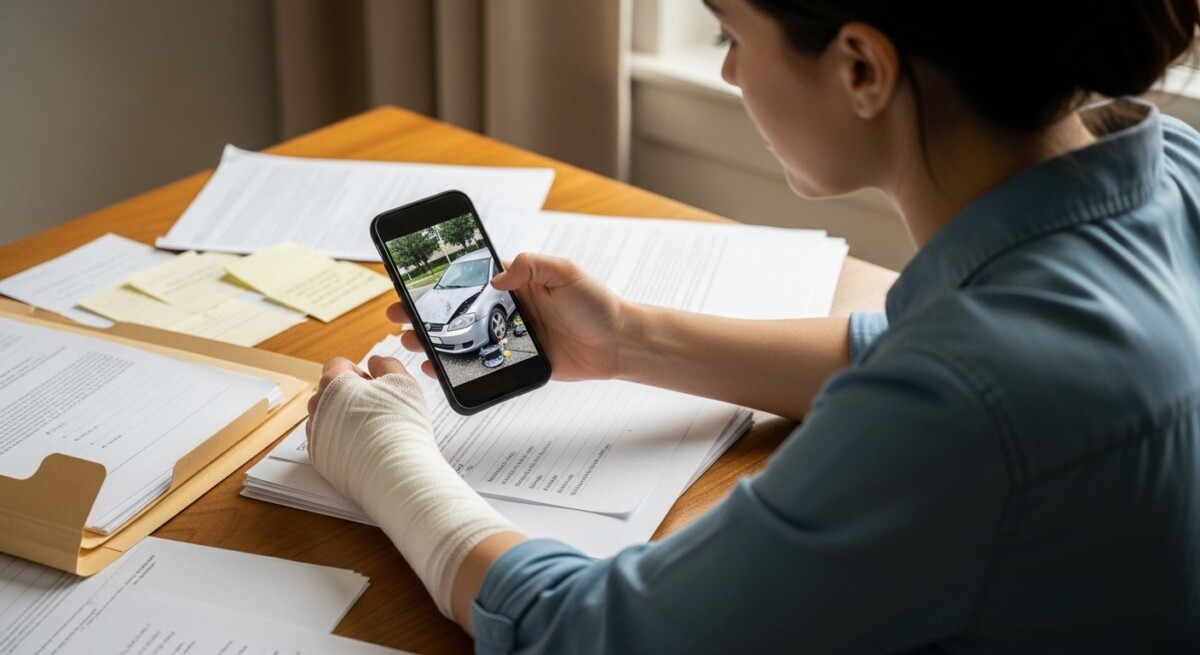
The moments after an accident can feel chaotic and overwhelming. Between medical concerns, insurance calls, and missed work, gathering proof for a potential claim often falls to the bottom of the list. Yet the strength of any personal injury case rests almost entirely on the evidence collected. Understanding what evidence personal injury lawyers need can mean the difference between a fair settlement and walking away with nothing.
Evidence serves one primary purpose: it tells a clear, convincing story of what happened, who was at fault, and how the injuries affected the victim’s life. Without solid proof, even the most compelling narrative becomes just a story. Insurance adjusters and juries rely on documents, photos, and expert opinions to determine liability and damages. This article breaks down the specific types of evidence that build a winning case, from the first moments after an accident through the final settlement negotiation.
Why Evidence Matters More Than the Accident Itself
Many people assume that if they were clearly injured in an accident caused by someone else, compensation will follow automatically. Unfortunately, the legal system does not work that way. The burden of proof falls on the injured party, meaning you must demonstrate both fault and damages through admissible evidence. Insurance companies employ adjusters and lawyers whose job is to minimize payouts. They will look for gaps, inconsistencies, or missing documentation to reduce or deny your claim.
Solid evidence shifts the power dynamic. When you present a well-documented case with medical records, witness statements, and photographic proof, the insurance company sees a claim that would be expensive to fight in court. This pressure often leads to faster and higher settlement offers. In fact, cases with comprehensive documentation settle for significantly more than those built on verbal accounts alone. For a deeper look at how attorney quality affects outcomes, see our guide on how to know if my personal injury lawyer is good.
Types of Evidence Personal Injury Lawyers Rely On
Evidence falls into several categories, each serving a distinct role in proving liability and damages. The most effective cases combine multiple types of evidence to create an undeniable picture of fault and harm.
Physical and Photographic Evidence
Photographs taken at the accident scene provide some of the most powerful evidence available. They capture conditions exactly as they existed before anything was moved or cleaned up. If you are able, take photos of the following immediately after an accident:
- Vehicle positions and damage from multiple angles
- Road conditions, skid marks, debris, or weather factors
- Visible injuries such as bruises, cuts, swelling, or deformities
- Surrounding signage, traffic lights, or obstructions
- Any contributing factors like potholes, poor lighting, or broken equipment
These images should be taken as soon as possible because conditions change. Rain washes away skid marks, vehicles get moved, and injuries heal or bruise differently over time. Physical evidence such as torn clothing, damaged personal belongings, or the actual defective product (in product liability cases) should be preserved in their original condition. Do not repair or discard anything until your lawyer has reviewed it.
Medical Documentation
Medical records form the backbone of any personal injury claim. They establish that an injury occurred, link it to the accident, and document the severity and duration of treatment. Without medical evidence, proving that the accident caused genuine harm becomes nearly impossible. Key medical documents include emergency room reports, diagnostic imaging results (X-rays, MRIs, CT scans), physician notes, and discharge instructions. Your medical records should show a clear timeline from the accident through all follow-up care.
Prescriptions, physical therapy records, and bills for treatment also serve as evidence of economic damages. Keep a file of every medical expense, including copays, medications, and transportation to appointments. If your lawyer can demonstrate that you incurred substantial medical costs due to the accident, the settlement value increases significantly.
Witness Statements and Testimony
Independent witnesses who saw the accident occur can provide unbiased accounts that support your version of events. Their statements carry weight because they have no personal stake in the outcome. Collect names and contact information from witnesses at the scene. Ask them to write down what they saw while it is still fresh in their memory. Even a brief description of the other driver running a red light or a store employee failing to clean a spill can make or break a liability dispute.
Witnesses can also testify about your condition immediately after the accident. Statements about visible pain, confusion, or inability to move help establish that the injury was not pre-existing or exaggerated. If witnesses are unavailable, your lawyer may use depositions or written affidavits to preserve their testimony for trial.
Police Reports and Official Records
When law enforcement responds to an accident, the officer files a report that includes observations, diagrams, and often a preliminary determination of fault. Insurance companies give significant weight to police reports because they come from a neutral third party trained to assess accidents. Request a copy of the report as soon as it becomes available and review it for accuracy. If the officer made an error, such as misspelling a name or noting the wrong direction of travel, ask for a correction.
Other official records can also strengthen a case. Traffic camera footage, 911 call recordings, and incident reports from property owners or employers may all serve as evidence. Your lawyer can subpoena these records if the opposing party refuses to provide them voluntarily.
Building a Strong Case With Expert Opinions
Some aspects of a personal injury case require specialized knowledge beyond what a typical juror or adjuster possesses. Expert witnesses fill this gap by offering professional opinions on liability, causation, and damages. For example, an accident reconstructionist can analyze skid marks and vehicle damage to determine speed and point of impact. A medical expert can testify that a herniated disc resulted from the crash rather than from degenerative aging. An economist can calculate lost earning capacity based on your age, occupation, and injury severity.
Experts add credibility and complexity to a case, making it harder for the defense to dismiss your claim as minor or questionable. While hiring experts involves upfront costs, the increase in settlement value often far outweighs the expense. Your lawyer will identify which experts are necessary based on the specific facts of your case.
How to Preserve Evidence Before Hiring a Lawyer
The first few days after an accident are critical for evidence preservation. Even before you meet with a lawyer, you can take steps that protect your future claim. Start by writing down everything you remember about the accident while it is fresh. Include the date, time, location, weather conditions, and a detailed description of how the incident occurred. Note any conversations with the other party, witnesses, or insurance representatives.
Save all physical evidence in a safe place. Do not wash clothing that was worn during the accident, as it may contain debris, blood, or other trace evidence. Do not repair damaged property until your lawyer has inspected it. If you received medical treatment, request copies of all records and bills. Keep a journal documenting your pain levels, limitations, and emotional state each day. This journal serves as powerful evidence of non-economic damages like pain and suffering.
One of the most important steps is to avoid posting about the accident on social media. Insurance companies routinely monitor social media accounts for posts that contradict injury claims. A photo of you at a party or a comment about feeling great can be used to argue that your injuries are not serious. Set your accounts to private and refrain from discussing the case online until it resolves.
Common Evidence Mistakes That Weaken Claims
Even well-intentioned claimants sometimes make errors that damage their cases. One frequent mistake is failing to seek immediate medical attention. Even if you feel fine after an accident, some injuries, such as concussions or soft tissue damage, may not show symptoms for hours or days. A delay in treatment gives the insurance company an argument that your injuries were not caused by the accident or that they are not as severe as claimed.
Another common error is discarding evidence too soon. People often throw away torn clothing, damaged phone cases, or prescription bottles without realizing these items can prove the force of impact or the extent of treatment. Similarly, losing medical records or failing to document follow-up care creates gaps that the defense can exploit.
Speaking with the other party’s insurance company without legal representation also poses serious risks. Adjusters are trained to ask questions that elicit statements minimizing liability or damages. Anything you say can be used against you later. It is always wise to direct all communication through your lawyer, especially if you have questions about the process or need clarity on next steps. For guidance on selecting the right attorney, read our article on questions to ask a personal injury lawyer before hiring.
What Happens When Evidence Is Missing or Contradictory
Not every case has perfect evidence. Witnesses move away, photos get deleted, and memories fade. When evidence is incomplete or contradictory, the case becomes a battle of credibility. Your lawyer will work to fill gaps through alternative sources, such as requesting surveillance footage from nearby businesses, obtaining cell phone records to prove distraction, or hiring experts to reconstruct the scene.
In some situations, missing evidence can actually work in your favor. If the other party destroyed or failed to preserve relevant evidence, your lawyer may request a spoliation instruction, which tells the jury they can assume the missing evidence would have hurt the other side’s case. This legal strategy requires proof that the evidence existed and was destroyed intentionally or negligently.
Contradictory evidence, such as a witness statement that conflicts with physical evidence, must be addressed directly. Your lawyer will depose the witness to clarify inconsistencies and may use impeachment evidence to challenge their credibility. The goal is to present a coherent narrative that the jury can follow without confusion.
Frequently Asked Questions
What evidence do personal injury lawyers need most urgently?
The most urgent evidence includes photographs of the scene, witness contact information, and medical records from your initial treatment. These items are time-sensitive and can be lost or degraded if not collected immediately.
Can I win a personal injury case without medical records?
It is extremely difficult. Medical records provide objective proof of injury and link it to the accident. Without them, the insurance company will likely argue that your injuries are exaggerated or unrelated.
How long do I have to gather evidence after an accident?
The statute of limitations varies by state, typically ranging from one to three years. However, evidence should be gathered as soon as possible. The longer you wait, the greater the risk that evidence disappears or deteriorates.
Do I need a lawyer to collect evidence?
While you can collect basic evidence yourself, a lawyer has the resources and legal authority to obtain records, subpoena documents, and hire experts. If your case involves serious injuries or disputed liability, professional legal help is strongly recommended. For more information on switching representation if needed, see can I change my personal injury lawyer during a case.
What if the other driver does not have insurance?
Your own uninsured motorist coverage may apply. Evidence of the accident and your injuries is still critical to file a claim under your policy. A lawyer can help navigate this process and ensure you receive the compensation available.
Can social media posts be used as evidence against me?
Yes. Insurance companies and defense lawyers routinely search social media for posts, photos, or comments that contradict injury claims. It is best to avoid posting about the accident or your activities until the case concludes.
Understanding what evidence personal injury lawyers need empowers you to take action immediately after an accident. The stronger your evidence, the more leverage you have in negotiations and the higher your chances of receiving fair compensation. If you have been injured due to someone else’s negligence, contact a qualified personal injury attorney to evaluate your case and guide you through the evidence collection process. For those with specific needs like spinal cord injuries, consider reaching out to Miami spinal cord injury lawyers who specialize in catastrophic injury claims.
Every piece of evidence tells part of your story. When assembled correctly, these pieces create a powerful case that demands attention and respect from insurance companies and courts alike. Do not leave your compensation to chance. Gather your evidence, consult with a lawyer, and take control of your recovery.