
PA Ignition Interlock Rules After a DUI: What to Expect
Understand Pennsylvania ignition interlock requirements after a DUI, from costs to compliance. Need help? Call (833)-279-1850 for a free case review.

By Nicole Combs
If you were recently charged with driving under the influence in Pennsylvania, you are probably asking a very practical question: will I need an ignition interlock device, and what exactly does that mean for my daily life? The answer depends on your blood alcohol content, your prior record, and whether you are seeking a limited license. Understanding the pennsylvania ignition interlock requirements after a dui is not just a bureaucratic detail. It determines when you can drive again, how much you will pay each month, and what happens if you slip up. This guide walks you through the rules in plain language, with the steps, costs, and compliance traps that matter most.
Which DUI Convictions Trigger an Interlock Requirement in Pennsylvania
Pennsylvania law does not treat every DUI the same. The ignition interlock requirement is tied to the tier of your conviction and your prior offense history. Under the state's general impairment and high-rate categories, the length of the interlock period changes based on whether this is a first, second, or subsequent offense. For a first-time DUI with a blood alcohol concentration at or above .10 but below .16, the court will typically order a one-year interlock period, and the device must be installed on every vehicle you own or operate. For a first offense at .16 or higher, or for a second offense at any tier, the interlock period generally extends to one year as well, but the licensing consequences are more severe. A third or subsequent offense can trigger a longer interlock term, often tied to the duration of your license suspension.
There is also a special rule for first-time offenders who refuse chemical testing or who have a minor in the vehicle. In those cases, the interlock requirement can apply even if your blood alcohol level was lower than the threshold that normally triggers it. This is one of the most common sources of confusion for drivers who assume that a low test result means no device. The trial court has limited discretion here: if the statute applies, the interlock order is mandatory, not optional.
If you are trying to sort out the exact length of your suspension and interlock term, it helps to see how Pennsylvania's DUI legal recruitment challenges play out in practice, because the quality of your defense directly affects which tier you land in. A skilled attorney can sometimes negotiate a reduction in tier or challenge the calibration records, which changes the interlock timeline. That is why the first step after any DUI charge should be a careful review of your case file, not a rush to install a device.
Licensing Steps, Installation Costs, and Calibration Requirements
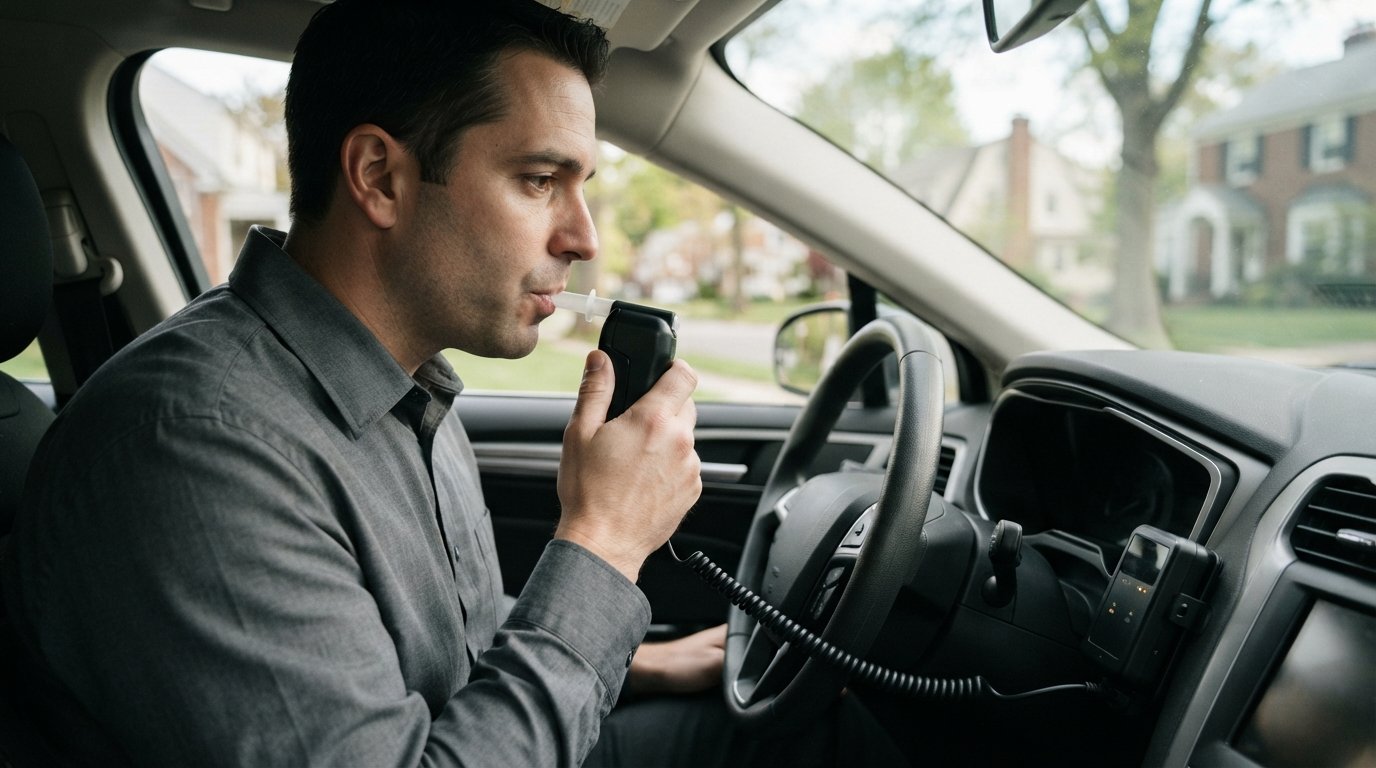
Once the court orders an interlock, the process moves through PennDOT and an approved vendor. You cannot simply buy a device online and install it yourself. Pennsylvania requires installation by a certified interlock vendor, and the device must be calibrated every 60 days, or more often if the vendor or court specifies. The typical sequence looks like this:
- Obtain a copy of your court order and suspension notice, and confirm whether you are eligible for an occupational limited license or an ignition interlock limited license.
- Contact a PennDOT-approved interlock vendor and schedule installation on every vehicle you will drive.
- Pay the installation fee, which usually ranges from $75 to $200, plus a monthly lease fee of roughly $60 to $100.
- Complete the vendor's training, which takes about 30 minutes and covers how to blow, how to handle lockouts, and how to schedule calibration.
- Return for calibration every 60 days and keep the receipts, because PennDOT and the court may request them.
Those costs add up. Over a one-year period, you should budget between $800 and $1,400 for installation, monthly fees, and calibration, not counting any repair or lockout fees. Some vendors offer reduced-rate programs for indigent drivers, but you must ask for them and provide documentation. The court can also impose a fine or community service in lieu of some costs, but it cannot waive the installation requirement itself. If you are facing financial pressure, do not skip the device. Driving without a court-ordered interlock is a separate offense and can extend your suspension.
Calibration is not just a maintenance task. It creates a record. The vendor downloads the device's data, including every test, every missed test, and every lockout, and sends that data to PennDOT. If the calibration report shows a violation, PennDOT can suspend your driving privileges even before the court acts. This is why drivers should treat every rolling retest as seriously as the initial blow. A failed test or a skipped retest is not a minor glitch; it is evidence.
What Counts as a Violation and How Lockouts Affect Your Privileges
An interlock violation is broader than a single failed breath test. Pennsylvania's rules treat the following as violations: a blood alcohol reading at or above the device's fail threshold (typically .025), a missed rolling retest, tampering with the device, or having another person blow into the device for you. Each of these can trigger a lockout, which means the vehicle will not start until you take the device to a service center and pay a reset fee. More importantly, the violation is reported to PennDOT, which can impose a suspension of your interlock limited license or occupational limited license.
The rolling retest is the part that surprises most drivers. After you start the car, the device will ask you to blow again at random intervals, usually within five to fifteen minutes. If you do not blow, the device logs a missed test and may trigger the horn or lights. If you blow and the reading is above the threshold, the device logs a fail. You cannot outsmart the system by having a passenger blow, because the device uses a camera and a hum tone to confirm identity. Attempting to bypass the device is a crime in itself and can lead to a longer suspension and additional charges.
Lockouts are not always the end of the road. If you believe a violation is inaccurate, you can request a hearing with PennDOT and present calibration records, service receipts, or medical documentation. But the burden is on you, and the timeline is short. Many drivers lose their license not because they drank, but because they missed a calibration appointment or ignored a lockout notice. Treat every vendor communication as a legal document.
How Interlock Compliance Interacts with Occupational Limited Licenses
Pennsylvania offers two main paths to drive during a suspension: the occupational limited license (OLL) and the ignition interlock limited license (IILL). The OLL allows you to drive only for work, school, medical appointments, and a few other essential purposes. The IILL allows you to drive anywhere, but only in a vehicle equipped with an interlock. If you have a first-time DUI with a high blood alcohol level, you may be eligible for the IILL after serving a short suspension period, and the interlock requirement is built into that license.
The interaction between the two programs is where many drivers get tripped up. If you are granted an OLL, you must still comply with any interlock order that applies to your conviction. That means the vehicle you drive for work must have a device, even if the OLL itself does not mention it. If you are caught driving a vehicle without an interlock while your order requires one, you can be charged with driving while suspended and with violating the interlock order. The court can then revoke your OLL and extend your suspension.
For drivers who need to get back on the road quickly, the IILL is often the better option because it removes the geographic restrictions of the OLL. But it comes with a trade-off: you must install the device on every vehicle you own, and you must pay for it. If you share a household vehicle with a spouse, the device goes on that car too, unless you can prove you will not drive it. That is a fact-specific argument, and it is worth raising with counsel before you apply.
If you are not sure which license path fits your situation, a free legal help and attorney-matching service can connect you with a Pennsylvania DUI attorney who handles these applications regularly. The application deadlines are strict, and a missed deadline can cost you months of driving time. Do not wait until your suspension is almost over to start the paperwork.
Practical Compliance Tips and Common Mistakes
The drivers who succeed with the interlock program are the ones who treat it like a compliance project, not a punishment. They calendar their calibration appointments, keep a folder of receipts, and never blow after using mouthwash or eating certain foods. (Some mouthwashes contain alcohol and can trigger a false positive, so wait at least 15 minutes after eating or drinking anything other than water.) They also read every letter from PennDOT and the vendor, because a missed notice can turn into a suspension.
Here are the most common mistakes to avoid:
- Installing the device on only one vehicle when the order requires all vehicles you own or operate.
- Skipping a rolling retest because you are in a hurry, which logs a violation.
- Letting a friend or family member blow into the device, which is tampering.
- Missing a calibration appointment, which can trigger a lockout and a PennDOT report.
- Driving a vehicle without a device while your order is active, even for a short errand.
Each of these mistakes can extend your interlock period or suspend your license again. The financial and practical cost of a second suspension is far higher than the cost of staying compliant. If you are struggling with the monthly fees, ask the vendor about reduced-rate programs and ask the court about a payment plan. Most judges would rather see a documented payment plan than a removed device.
When to Get Legal Help with Your Interlock Order
Most DUI cases in Pennsylvania resolve with a plea, and the interlock order is often part of the negotiated sentence. But that does not mean you should accept the first offer without review. The tier of your conviction, the length of your suspension, and your eligibility for an occupational limited license are all negotiable in some cases, and an experienced attorney can spot errors in the calibration records or the police report that change the outcome. If you are facing a second or third offense, or if your blood alcohol level was near a threshold, the stakes are high enough to justify a consultation.
LegalCaseReview provides free case evaluations and a patented attorney selection process that connects you with Pennsylvania DUI defense lawyers who understand the interlock rules. The site is not a law firm and does not give legal advice, but it does give you a way to compare your options before you sign a plea or install a device. If you want to understand how the interlock requirement fits into the broader DUI process, start with a confidential case review and ask specific questions about the length of your suspension, the cost of the device, and your eligibility for an IILL.
The bottom line is that Pennsylvania's interlock requirements are strict but predictable. If you know which tier applies to you, budget for the device, and keep every appointment, you can serve your suspension and get back to normal driving without a second trip to court. The drivers who struggle are the ones who ignore the paperwork and hope the system will not notice. It will notice. Treat the interlock as a temporary tool, not a permanent label, and you will come out the other side with your license intact. GoFreeLegal