
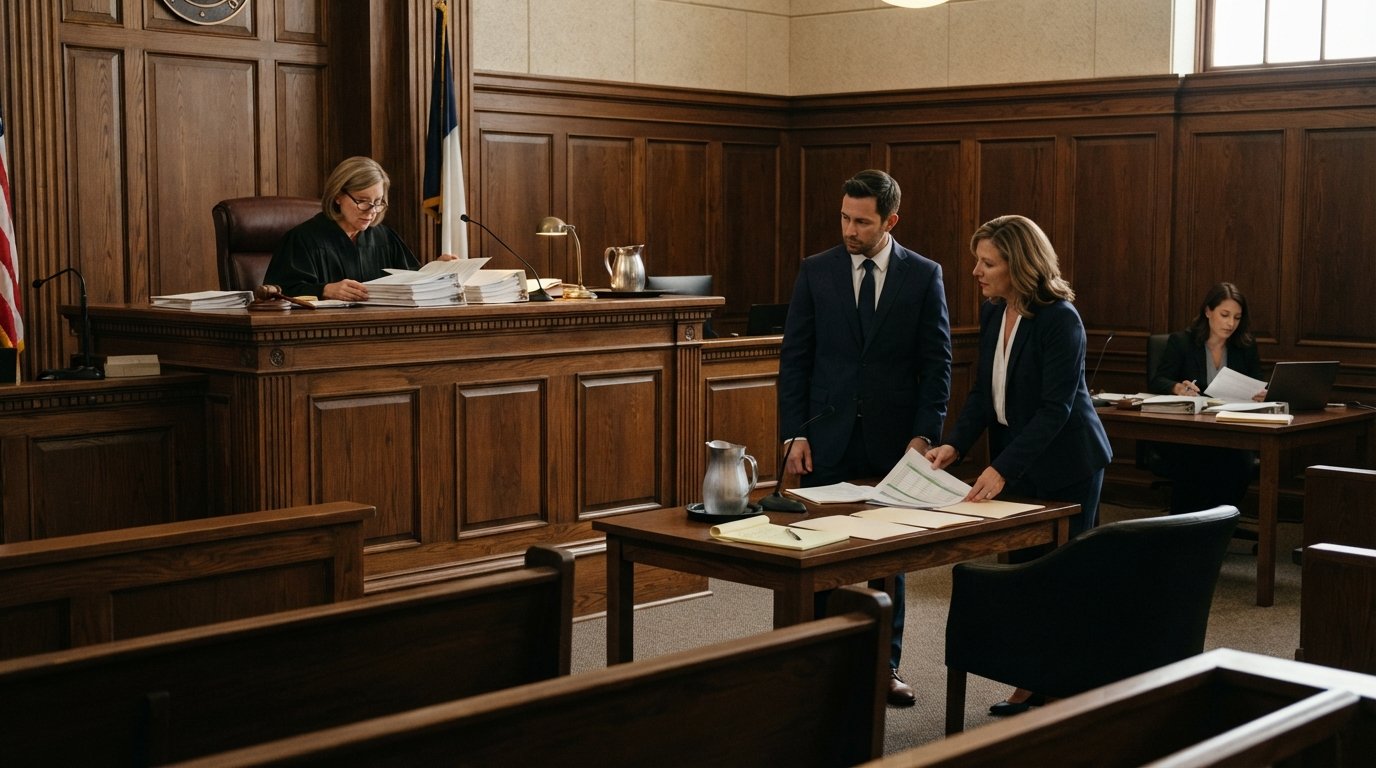
Personal Injury Settlement Distribution Hearing: What Happens
Understand what happens at a personal injury settlement distribution hearing, from petition to payout. Call (833)-279-1850 for a free case review.

After months or years of treatment, negotiations, and waiting, your personal injury case has finally settled. A lump sum is sitting in a trust account, and you have been told there is one last step: a settlement distribution hearing. For many plaintiffs, this hearing feels like a formality, but it is actually a critical proceeding where a judge reviews and approves how every dollar is divided. Understanding what happens at a personal injury settlement distribution hearing can help you prepare, spot errors, and ensure you receive the full amount you are owed without unnecessary delay.
This guide walks you through the entire process, from the moment your attorney files the distribution petition to the day your check clears. We cover the documents involved, common objections from lienholders, how judges allocate funds, the timeline you can expect, and what you should bring and verify on your final statement. Whether your case settled through negotiation or a jury verdict, the distribution hearing is your opportunity to confirm that medical bills, attorney fees, and your net recovery are calculated correctly.
Why a Settlement Distribution Hearing Is Required
A personal injury settlement distribution hearing is a court proceeding where a judge formally approves the division of settlement proceeds among all parties with a claim to the money. It is most common in cases involving minors, wrongful death claims, or situations where a lienholder (such as a hospital or health insurer) has asserted a right to reimbursement. Even in straightforward adult cases, some courts require a distribution hearing to protect plaintiffs from fraud or error.
The hearing serves several purposes. First, it creates a public record of how the settlement was allocated, which discourages hidden fees or undisclosed deductions. Second, it gives lienholders a chance to be heard if they believe their lien was ignored. Third, it protects vulnerable parties, such as minors or incapacitated adults, by requiring judicial oversight of their funds. Finally, it provides a clean legal transfer of funds, reducing the risk of future disputes.
If your case settled without a lawsuit, a distribution hearing may not be required. But if a lawsuit was filed, or if a lien is present, the court often insists on a hearing before any checks are issued. Your attorney will know the local rules and will schedule the hearing accordingly.
Filing the Distribution Petition: What It Lists and Why It Matters
The process begins when your attorney files a distribution petition (sometimes called a motion for distribution or a petition for approval of settlement). This document is the blueprint for the hearing. It lists every source of settlement funds, every deduction, and every person or entity entitled to a share. The petition typically includes:
- Settlement amount: The total gross recovery from the defendant or insurer.
- Attorney fees: The contingency fee percentage and the dollar amount, plus any costs advanced by the firm.
- Medical liens and bills: Amounts owed to hospitals, doctors, health insurers, Medicare, Medicaid, or workers' compensation carriers.
- Case costs: Filing fees, expert witness fees, deposition transcripts, and other litigation expenses.
- Net recovery to the plaintiff: The remainder after all deductions.
- Proposed distribution: How the net recovery will be paid (lump sum, structured settlement, or trust for a minor).
The petition also includes supporting documents, such as the settlement agreement, medical records, lien letters, and a detailed accounting of costs. Your attorney should provide you with a copy of the petition before filing. Review it carefully. This is your chance to catch mistakes, such as an inflated lien amount or a fee calculation that does not match your retainer agreement.
Once filed, the court sets a hearing date, usually a few weeks to a few months out, depending on the court's calendar. Notice of the hearing is sent to all interested parties, including lienholders and any other claimants. If you have questions about the petition or the hearing, ask your attorney for a plain-language explanation. For a related step in the litigation process, see our guide on what happens at a deposition in a personal injury case.
Typical Objections from Lienholders and Insurers
One of the main reasons distribution hearings exist is to resolve disputes over who gets paid. Lienholders, such as health insurers, hospitals, or government programs like Medicare and Medicaid, often assert a right to reimbursement from the settlement. They may object to the proposed distribution if they believe their lien was reduced without their consent or if they were not properly notified.
Common objections include:
- Lien amount disputes: The lienholder claims a higher amount than what is listed in the petition.
- Failure to notify: A lienholder argues they were not given proper notice of the settlement.
- Priority of liens: Multiple lienholders may dispute who gets paid first.
- Attorney fee allocation: Some insurers argue that attorney fees should not be deducted from their portion of the settlement.
- Medicare/Medicaid interests: Federal and state programs have strict reimbursement rules and may object if their interests are not protected.
Your attorney will typically negotiate with lienholders before the hearing to reduce or resolve these claims. Many liens are negotiable, especially if the full amount would consume most of your recovery. If an agreement cannot be reached, the judge will decide at the hearing. The judge has the authority to approve, reduce, or reject a lien, and to allocate funds accordingly. Having a well-documented petition and supporting evidence is crucial to a favorable outcome.
How the Judge Allocates Funds Among Parties and Attorneys
At the hearing, the judge reviews the petition and any objections, then decides how the settlement money will be distributed. The judge's role is to ensure that the distribution is fair, that all valid liens are paid, and that the plaintiff receives the net amount they are entitled to. The judge does not re-litigate the case; instead, the focus is on the math and the legal validity of the deductions.
The allocation typically follows a priority order:
- Attorney fees and costs: The contingency fee and advanced costs are usually paid first, as agreed in the retainer contract.
- Medical liens and subrogation claims: Valid liens from hospitals, insurers, and government programs are paid next, often after negotiation.
- Other case expenses: Any remaining costs, such as expert fees or court reporters, are reimbursed.
- Net recovery to the plaintiff: The remainder goes to the plaintiff, either as a lump sum or structured settlement.
If the plaintiff is a minor, the judge must approve the distribution and may require the funds to be placed in a blocked trust account or annuity until the minor turns 18. In wrongful death cases, the judge may allocate funds among surviving family members according to state law or the terms of the settlement agreement. The judge may also reduce attorney fees if they appear unreasonable, though this is rare when the fee is within the standard contingency range (typically 33% to 40%).
After the judge approves the distribution, the court issues an order directing the settlement funds to be disbursed. This order is the final authorization for the bank or trust company holding the funds to write checks.
Timing from Hearing to Disbursement Checks
One of the most common questions plaintiffs ask is: how long after the hearing will I get my check? The answer varies by court and by the complexity of the distribution. In many cases, the judge signs the distribution order at the hearing or shortly after, and the funds are released within two to six weeks. However, several factors can extend this timeline:
- Lien negotiations: If a lienholder objects and the judge orders further negotiation, disbursement may be delayed.
- Court processing: Some courts take several weeks to process the order and release funds.
- Trust account procedures: The attorney's trust account or the settlement administrator may require additional paperwork before issuing checks.
- Structured settlement: If your recovery includes an annuity, the first payment may take longer to set up.
Your attorney should provide a realistic timeline. If the hearing goes smoothly and there are no objections, you can often expect your check within 30 days. If there are disputes, it could take two to three months. Keep in mind that the court, not your attorney, controls the final release of funds, so patience is sometimes required.
What to Bring and What to Verify on the Final Statement
Before the hearing, your attorney will provide you with a final settlement statement. This document details every dollar in and every dollar out. It is essential to review it carefully and bring it to the hearing, along with any questions you have. You should also bring a photo ID and any documents related to your case that you want to reference.
Here is a checklist of what to bring and what to verify:
- Settlement statement: Compare the gross settlement amount to the amount in your settlement agreement.
- Attorney fee calculation: Confirm the percentage and dollar amount match your retainer agreement.
- Case costs: Ask for an itemized list of costs and verify that each expense was necessary and accurate.
- Lien amounts: Check that each lien is listed and that the amount matches the latest lien letter. If a lien was negotiated down, ensure the reduced amount is reflected.
- Net to you: Calculate the net recovery yourself to ensure it matches the statement.
- Identification: Bring a government-issued ID in case the court or trust company requires it.
If you spot an error, raise it with your attorney immediately, ideally before the hearing. Mistakes can sometimes be corrected on the spot, but it is easier to fix them beforehand. At the hearing, listen carefully to the judge's questions and be prepared to confirm that you understand and agree to the distribution. If you do not understand something, ask for clarification. The judge will typically ask if you have any objections; this is your chance to speak up if something seems wrong.
After the hearing, keep copies of all documents, including the signed order and the final statement. These records are important for tax purposes and for any future disputes. If you need help finding an attorney to guide you through this process, resources like FormsByLawyers can connect you with legal professionals who handle settlement distributions.
Common Mistakes to Avoid at Your Distribution Hearing
Even though the hearing is usually brief, plaintiffs sometimes make mistakes that delay their recovery. One common error is failing to review the settlement statement in advance. If you wait until the hearing to question a fee or lien, the judge may need to schedule a follow-up hearing, which can add weeks or months. Another mistake is not notifying your attorney about changes in your medical treatment or insurance coverage, which can affect lien amounts.
It is also important to understand that the judge is not your adversary. The judge is there to protect your interests and ensure the distribution is proper. Being cooperative and prepared makes the process smoother. If you have questions about the tax implications of your settlement, consult a tax professional; the court will not provide tax advice. For more information on the steps leading up to settlement, explore our legal process tips and accident settlement guide categories.
Finally, remember that this hearing is the last major hurdle. Once the judge approves the distribution, you are one step closer to receiving the compensation you deserve. Stay informed, ask questions, and keep copies of everything. With proper preparation, your distribution hearing can be a straightforward confirmation of a hard-won settlement.