
PowerPort Catheter Lawsuit: Defects and Injury Claims
If you suffered complications from a PowerPort catheter, learn about alleged defects and injury claims. Call (833)-279-1850 for a free case review.

By Dina Morello
When a medical device implanted to make life easier instead becomes the source of serious complications, patients deserve clear answers about their legal options. The PowerPort catheter, a widely used implantable port for delivering medications and drawing blood, has been linked to a range of alleged defects that can lead to severe injuries. If you or a loved one experienced complications such as catheter fracture, infection, or thrombosis after receiving a PowerPort, understanding the landscape of the powerport catheter lawsuit alleged defects and injury claims is a critical first step toward protecting your rights.
What Is a PowerPort Catheter and How Is It Supposed to Work?
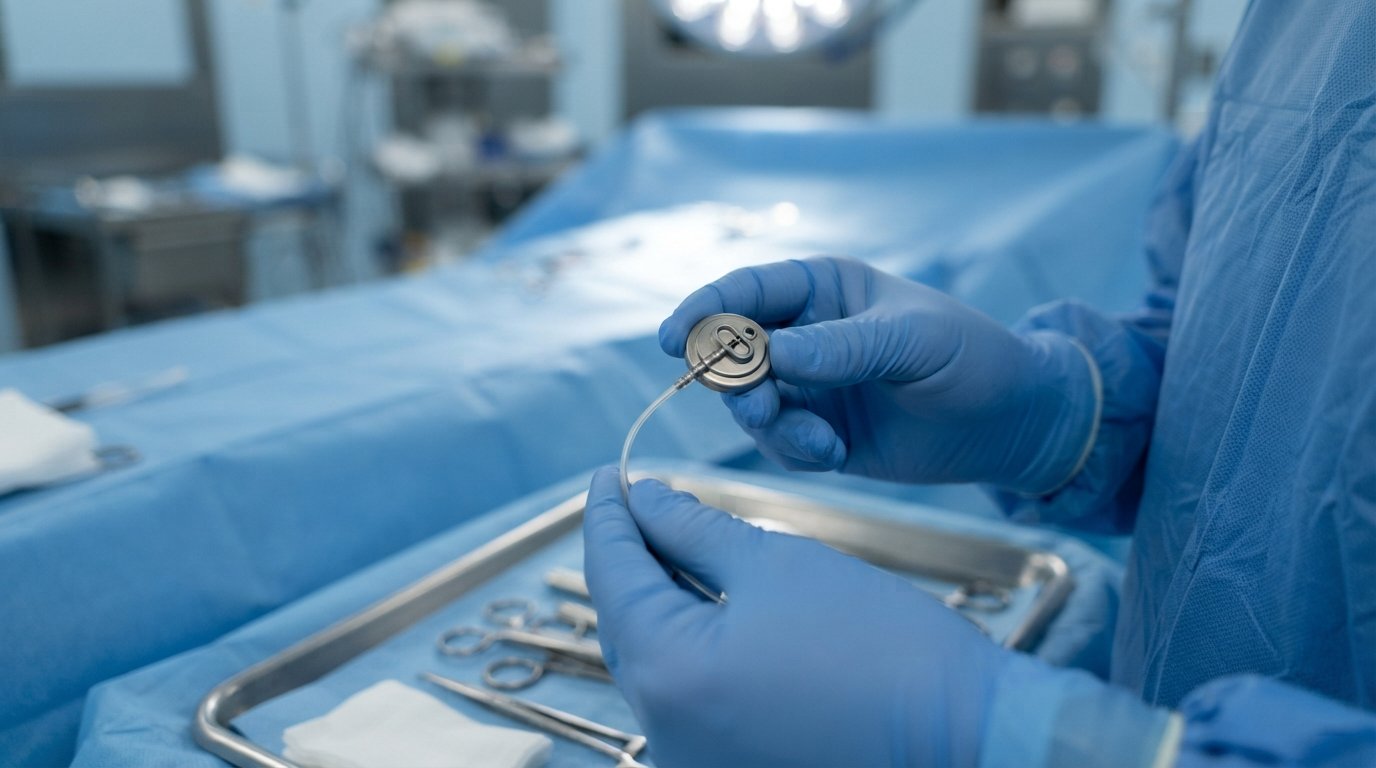
A PowerPort is a type of totally implantable venous access device (TIVAD) that is placed under the skin, usually in the upper chest, and connected to a catheter that threads into a large vein near the heart. It is designed to provide reliable, long-term access to the bloodstream for patients who need frequent infusions, such as chemotherapy, antibiotics, or nutrition, as well as for blood draws. The port itself is a small reservoir with a self-sealing septum that can be accessed with a special needle, reducing the need for repeated needle sticks into peripheral veins.
The device consists of three main components: the port body (often made of titanium or plastic), the catheter (a thin, flexible tube), and the connection between them. Proper function depends on the integrity of each component and on correct placement and maintenance by healthcare professionals. When any part fails, the consequences can range from minor inconvenience to life-threatening events.
Alleged Defects in PowerPort Catheters
Lawsuits and adverse event reports have highlighted several potential failure modes associated with PowerPort catheters. While not every complication is due to a manufacturing defect, the allegations in litigation often center on design flaws, material weaknesses, or inadequate warnings. Understanding these alleged defects helps patients and families recognize whether their experience may be part of a broader pattern.
Catheter Fracture and Pinch-Off Syndrome
One of the most serious alleged defects is catheter fracture, sometimes linked to a phenomenon known as pinch-off syndrome. This occurs when the catheter is compressed between the collarbone and the first rib, leading to material fatigue and eventual breakage. A fractured catheter can allow a fragment to migrate into the heart or pulmonary artery, causing arrhythmias, perforation, or embolism. Litigation claims often assert that the device design or the instructions for placement did not adequately prevent this complication.
Infection and Bloodstream Contamination
Infections are a known risk with any implanted device, but some lawsuits allege that specific design features or manufacturing processes increased the risk of contamination. Claims may assert that the port's septum or catheter material allowed bacteria to colonize more easily, or that the device was not sufficiently resistant to biofilm formation. Bloodstream infections can lead to sepsis, prolonged hospitalization, and additional surgeries.
Thrombosis and Occlusion
Blood clots (thrombosis) can form around the catheter tip or within the port, potentially blocking flow and causing swelling, pain, or more serious complications such as pulmonary embolism. Some plaintiffs allege that the catheter material or surface properties contributed to a higher risk of clot formation. Occlusion can also result from improper flushing or maintenance, making it important to distinguish device defects from procedural issues.
Migration and Malposition
If the port or catheter migrates from its intended position, it can cause pain, interfere with treatment, or lead to vessel damage. Allegations sometimes focus on the adequacy of the fixation mechanism or on whether the device was designed to remain stable under normal movement.
Injuries Commonly Reported in PowerPort Claims
The injuries alleged in powerport catheter lawsuit alleged defects and injury claims vary widely depending on the type of failure. Some of the most frequently reported injuries include:
- Catheter fragment embolism requiring surgical retrieval
- Severe bloodstream infections leading to sepsis or septic shock
- Deep vein thrombosis or pulmonary embolism
- Vessel perforation or cardiac tamponade
- Chronic pain, scarring, and need for additional procedures
These injuries can result in significant medical expenses, lost wages, and emotional distress. In some cases, they may be life-threatening or fatal. Plaintiffs often seek compensation for past and future medical care, rehabilitation, pain and suffering, and, in wrongful death cases, loss of companionship and funeral expenses.
How PowerPort Litigation Is Structured
Lawsuits involving PowerPort catheters are typically product liability claims filed against the manufacturer, and sometimes against distributors or healthcare providers. Product liability law allows injured patients to pursue claims based on design defects, manufacturing defects, or failure to warn. These cases may be filed individually or consolidated into a mass tort or multidistrict litigation (MDL) to streamline discovery and pretrial proceedings.
In an MDL, cases from federal courts across the country are grouped before a single judge for coordinated handling, but each plaintiff retains their own case and the right to a separate trial or settlement. State court consolidations may also occur. The structure can affect the pace of litigation, the availability of global settlements, and the strategies used by both sides. If you are considering a claim, it is important to understand how your case would fit into this framework. For general insights into why some mass tort claims face rejection, you can read our analysis of why Abilify lawsuit claims get rejected, which offers parallels that may inform your preparation.
Time Limits for Filing a Product Liability Claim
Every state imposes a statute of limitations on product liability claims, and the clock typically starts running when the injury is discovered or should have been discovered. The time limit can range from one to several years, and it may be tolled or extended in certain circumstances, such as if the injured person is a minor or if the manufacturer concealed information. Missing the deadline can permanently bar your claim, so it is essential to consult with an attorney as soon as possible after a suspected device failure.
Because these rules vary by state and by the specific facts of your case, a local attorney can determine the exact deadline that applies to you. Do not assume that you have years to act; some jurisdictions require filing within a very short window after the injury is linked to the device.
What Records to Collect Before Speaking with an Attorney
Building a strong powerport catheter lawsuit alleged defects and injury claim begins with thorough documentation. Before you meet with a lawyer, gather as much information as possible about your medical history and the device itself. This preparation can significantly improve the efficiency of your consultation and help your attorney evaluate the merits of your case.
- Medical records: Obtain complete records from all hospitals, clinics, and providers involved in the implantation, maintenance, and removal of the port, as well as treatment for any complications. Include operative reports, imaging studies, and pathology reports.
- Device identification: Record the make, model, and lot number of your PowerPort, which can often be found in the implant card or operative note. If the device was removed, request that the explanted device be preserved for inspection.
- Billing and expense records: Collect statements showing medical costs, rehabilitation expenses, and any lost income due to the injury.
- Personal notes: Keep a diary of symptoms, treatments, and the impact on your daily life, including pain levels, missed work, and emotional distress.
Having these documents ready allows your attorney to quickly assess whether your case fits the pattern of alleged defects and to identify potential defendants. It also preserves evidence that might otherwise be lost over time.
Steps to Take If You Suspect a PowerPort Injury
If you are experiencing symptoms that could be related to a PowerPort defect, your health is the first priority. Seek medical attention immediately and discuss your concerns with your treating physician. Once your condition is stable, consider the following steps to protect your legal rights:
- Do not remove or discard the device or any related components without consulting an attorney, as they may be critical evidence.
- Request a copy of your complete medical records and keep them organized.
- Avoid signing any releases or settlements with the manufacturer or its insurers without legal counsel.
- Contact a product liability attorney who has experience with medical device cases to discuss your options.
An attorney can help you understand whether your injury is consistent with known device failures, explain the litigation process, and advise you on the best course of action.
How LegalCaseReview Can Help
If you are searching for legal guidance after a PowerPort complication, you do not have to navigate the complexities alone. LegalCaseReview is a legal information website that connects individuals with top attorneys through a patented selection process. We offer free, confidential case evaluations and quick quotes, and our directory includes experienced product liability lawyers who can assess your potential claim. While we are not a law firm and do not provide legal advice, we can help you take the first step toward understanding your rights. For law firms and attorneys seeking to connect with motivated clients, our partner AttorneyLeads provides exclusive, pre-screened legal leads across a range of practice areas.
Frequently Asked Questions About PowerPort Claims
Do I need a lawyer to file a PowerPort lawsuit?
While you can file a lawsuit on your own, product liability cases against medical device manufacturers are complex and typically require expert testimony and extensive discovery. An experienced attorney can level the playing field and help you avoid costly mistakes.
How long does a PowerPort lawsuit take?
Timelines vary widely depending on whether your case is part of an MDL, the complexity of your injuries, and the willingness of the parties to settle. Some cases resolve within a year, while others may take several years to reach a resolution.
What if I no longer have the PowerPort?
Even if the device has been removed, your medical records and imaging studies can often provide evidence of the model and the cause of failure. An attorney can help you obtain these records and determine whether a claim is viable.
The decision to pursue a powerport catheter lawsuit alleged defects and injury claim is significant, and it should be made with the guidance of knowledgeable counsel. By understanding the alleged defects, the injuries they can cause, and the steps to preserve your rights, you can move forward with confidence. If you believe you have been harmed by a PowerPort catheter, consider reaching out to a qualified attorney for a free consultation to explore your options.