Third-Party Accident Claims in Las Vegas: Your Legal Rights
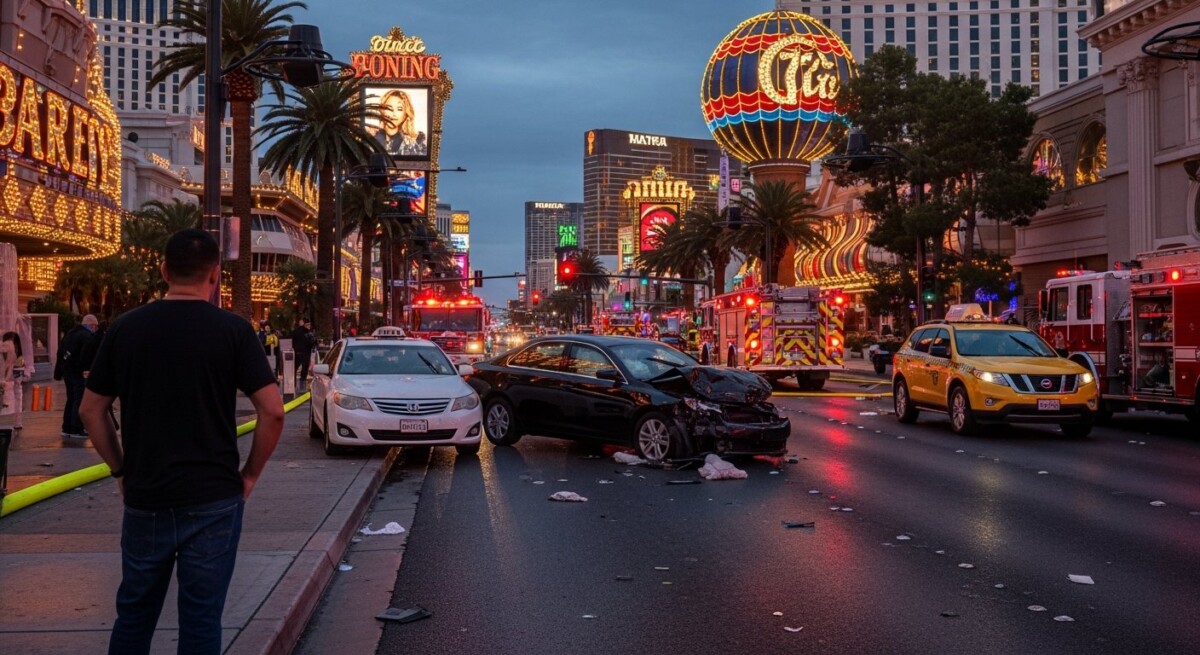
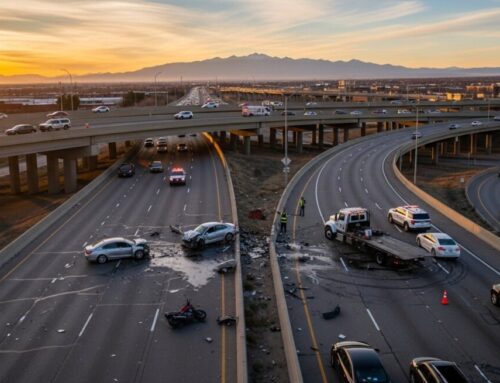
You witness a violent crash on the Las Vegas Strip, or your parked car is totaled by a fleeing driver. Perhaps a family member is injured in a wreck, and you incur costs caring for them. A common and urgent question arises: can I file for a claim if I wasn’t directly involved in the accident in Las Vegas? The answer is not a simple yes or no. Nevada law recognizes several scenarios where an indirect victim, someone not behind the wheel at the moment of impact, may have legal standing to pursue compensation. Understanding the nuances of negligence, duty of care, and the types of damages recoverable is crucial for anyone in this unsettling position.
Understanding Nevada’s “Duty of Care” and Negligence
At the heart of any personal injury claim is the legal concept of negligence. To have a valid claim, you must typically show that another party owed you a duty of care, breached that duty through action or inaction, and that breach directly caused your damages. For directly involved drivers, this duty is clear. For third parties, establishing that duty is the first critical hurdle. The court will examine the relationship between you and the at-fault party, and whether their negligence was a foreseeable cause of harm to someone in your position. For instance, a drunk driver owes a duty to everyone on the road, including other drivers, passengers, pedestrians, and even nearby property owners. If their actions cause a multi-car pile-up that blocks your business entrance, a duty may be established. The key is proving that your injuries or losses were a direct, foreseeable consequence of the negligent act, not merely incidental or too remote.
Common Scenarios for Third-Party Claims in Las Vegas
Several specific situations in Las Vegas frequently give rise to valid claims from individuals not directly operating a vehicle. These cases often hinge on the unique facts and the quality of evidence presented.
Bystander and Emotional Distress Claims
Nevada recognizes a cause of action for negligent infliction of emotional distress (NIED) under certain strict conditions. If you witness a traumatic accident involving a close family member and suffer severe emotional trauma as a direct result, you may have a claim. The courts generally require that you were present at the scene, perceived the accident with your own senses, and have a close familial relationship with the victim (such as a parent, child, or spouse). Merely hearing about an accident later does not qualify. The emotional distress must be severe, often medically diagnosable, and beyond what an ordinary person would experience. This is a complex area of law requiring meticulous legal argument.
Property Damage and Consequential Losses
You do not need to be in your vehicle to suffer a compensable loss. If your parked car, fence, or storefront is damaged by a negligent driver, you have a clear property damage claim. Furthermore, you may recover for consequential losses, such as lost business income if your commercial vehicle is destroyed, or rental car costs while your vehicle is repaired. The at-fault driver’s duty extends to protecting the property of others. Documenting the damage and all associated out-of-pocket expenses is vital for these claims.
Derivative Claims: Loss of Consortium and Wrongful Death
These are among the most powerful examples of third-party claims. If your spouse or immediate family member is seriously injured or killed by a negligent driver, your own personal losses are actionable. A loss of consortium claim seeks damages for the loss of companionship, affection, and marital relations. A wrongful death claim, governed by specific Nevada statutes, allows surviving family members to seek compensation for funeral expenses, loss of financial support, and loss of guidance and companionship. These claims are derivative, meaning they stem from the direct injury to another person, but they compensate you for your unique damages. The process for these sensitive claims requires both legal precision and compassion, similar to other complex personal injury matters like those involving minors, which we detail in our guide on can children file a personal injury lawsuit.
The Critical Role of Evidence in Indirect Claims
When you are not the direct victim, the burden of proof can feel heavier. Insurers will aggressively challenge your connection to the accident. Therefore, evidence collection is paramount. This goes beyond the police report from the primary crash. You must document your own damages and their direct link to the negligent act. For emotional distress, this means seeking a professional mental health diagnosis and treatment. For property damage, obtain multiple repair estimates and photographs. For loss of income, gather business records, invoices, and proof of lost contracts. Witness statements that can corroborate your presence at the scene or the immediate impact on you are invaluable. The more you can objectively substantiate your losses, the stronger your position will be during settlement negotiations or at trial.
Navigating Insurance Companies as a Third Party
Dealing with insurance adjusters in a third-party claim requires caution. The adjuster’s primary goal is to minimize the payout for their insured, and they may try to dismiss your claim entirely by arguing you lack standing. Do not provide a recorded statement without legal counsel. Be meticulous in your documentation and submit it in an organized manner. It is often necessary to file a claim directly against the at-fault driver’s liability insurance policy. If their limits are insufficient, or if they dispute liability, your path may lead to a lawsuit. Understanding the full value of your claim, including non-economic damages like pain and suffering, is essential before accepting any settlement offer. This strategic navigation is as critical here as it is in other specialized litigation, such as understanding can you still file a talcum powder lawsuit in 2025.
When to Consult a Las Vegas Personal Injury Attorney
Given the complexity of establishing duty and proximate cause in indirect accident claims, consulting with an experienced Las Vegas personal injury attorney is highly advisable, and often essential. An attorney can:
- Evaluate Your Claim’s Viability: Provide a realistic assessment of whether your specific circumstances meet Nevada’s legal thresholds.
- Investigate the Accident: Conduct an independent investigation to gather evidence linking your damages to the crash.
- Handle All Communications: Manage discussions with insurance companies to protect you from tactics that could undermine your claim.
- Identify All Potentially Liable Parties: Look beyond the obvious driver to entities like employers, bar owners (in DUI cases), or government agencies responsible for road conditions.
- Calculate Full Damages: Ensure your claim includes all economic and non-economic damages, both present and future.
A lawyer’s expertise is the key to transforming a questionable situation into a compelling legal claim. They understand how to frame your indirect involvement under Nevada law, much like they must frame specialized knowledge in other areas, such as the ongoing criteria for talcum powder litigation.
Frequently Asked Questions
Can I sue if I was a passenger in a car accident in Las Vegas?
Yes, absolutely. Passengers are classic third-party claimants with clear legal standing. You can typically file a claim against the insurance of the at-fault driver, whether that driver was operating your vehicle or another vehicle involved in the collision.
What if the accident aggravated a pre-existing condition I have?
You are entitled to compensation for the aggravation of a pre-existing condition. Nevada law follows the “eggshell skull” doctrine, meaning a negligent driver takes their victim as they find them. You must prove the accident worsened your condition, which often requires medical testimony.
How long do I have to file a third-party accident claim in Nevada?
Nevada’s statute of limitations for personal injury and property damage is generally two years from the date of the accident. For wrongful death, it is also two years from the date of death. Missing this deadline will almost certainly bar your claim forever.
Can I claim for missed work due to stress after witnessing my child’s accident?
Potentially, yes. If you have a valid negligent infliction of emotional distress claim and your severe emotional distress has rendered you unable to work, your lost wages can be part of your damages. This requires strong medical evidence linking your work absence directly to the traumatic event.
What if the at-fault driver has no insurance?
You would look to your own insurance policy’s uninsured/underinsured motorist (UM/UIM) coverage. This is a critical reason to carry substantial UM/UIM limits in Nevada. You can file a claim with your own insurer for your injuries and losses, a process that can become contentious and benefits greatly from legal representation, a complexity explored in our resource on personal injury claims for children.
The landscape of third-party accident claims in Las Vegas is intricate but navigable with the right knowledge and guidance. Your physical distance from the driver’s seat does not automatically disqualify you from seeking justice and financial recovery for very real losses. By understanding the legal principles, diligently documenting your damages, and seeking professional counsel, you can effectively assert your rights and pursue the compensation you may deserve.