Witnessing a Car Accident in Sacramento: Your Essential Guide
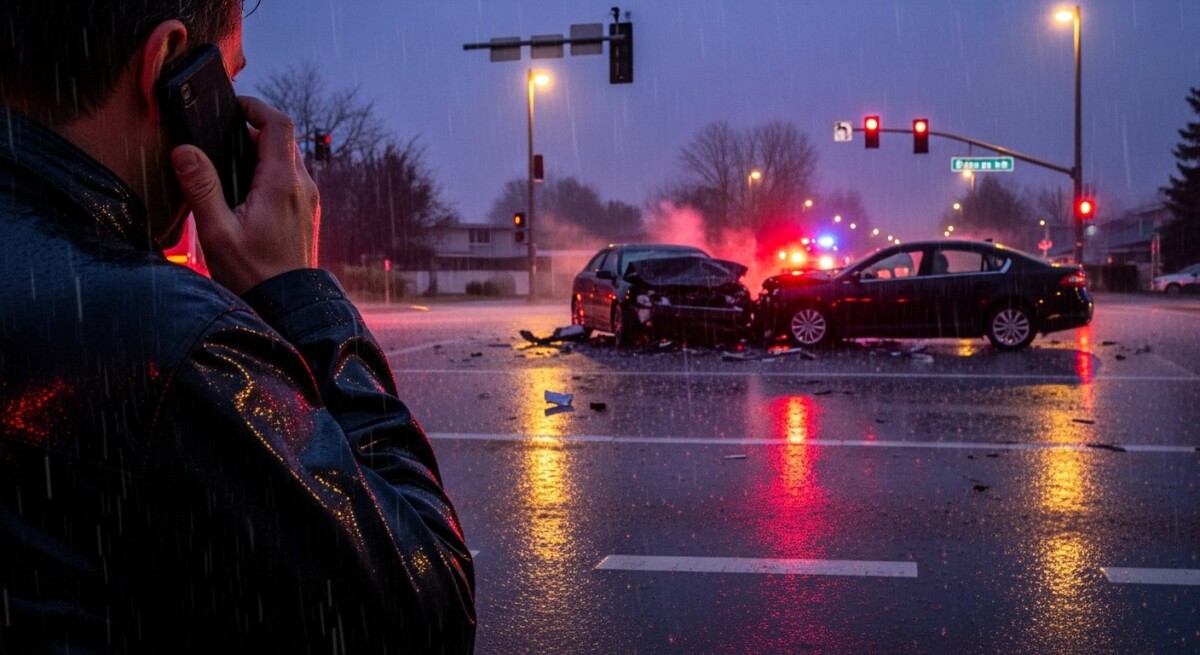
You are driving through Sacramento, perhaps on the Capital City Freeway or navigating the busy intersection of J and 16th Streets, when you see it: the sudden crunch of metal, the screech of tires, and the unsettling silence that follows a collision. In that moment, your actions as a witness can be pivotal. Knowing what to do if you witness a car accident in Sacramento is not just about being a good Samaritan, it is about providing critical support to victims, ensuring accurate evidence for insurance claims, and fulfilling a civic duty that can profoundly impact the outcome for everyone involved. This guide provides a clear, step-by-step framework for handling this stressful situation safely and effectively.
Your Immediate Priorities: Safety and Emergency Response
The moments immediately following an accident are chaotic and dangerous. Your first instinct might be to rush to the scene, but your absolute first priority must be your own safety and the safety of others. A secondary collision is a real risk, especially on high-speed Sacramento roads like Highway 50 or Interstate 5. Carefully pull your vehicle over to a safe location, well away from the accident scene and traffic flow. Turn on your hazard lights to alert other drivers. Once you are safely parked, take a deep breath and assess the situation before exiting your vehicle.
When you approach the scene, do so with extreme caution. Be aware of debris, leaking fluids (which could be flammable), and potentially unstable vehicles. Your initial assessment should focus on determining if there are any serious injuries. Look for signs like unconsciousness, severe bleeding, or individuals trapped in vehicles. If the accident is severe, or if you are unsure about the extent of injuries, call 911 immediately. It is always better to have emergency services en route and be told they are not needed than to delay critical medical care. Clearly state the location of the accident (using cross streets, landmarks, or mile markers) and describe what you observed. If you are not the first to call, you may still be asked to provide information to the dispatcher.
Providing Aid and Gathering Crucial Information
If you have first-aid training and it is safe to do so, you may offer basic assistance to injured parties. However, never move an injured person unless there is an immediate threat, such as fire, as you could exacerbate spinal or neck injuries. Your role as a witness then shifts to being a reliable source of information. While first responders handle medical needs, you can begin to document the scene. This evidence can become invaluable later for insurance investigations and potential legal proceedings. The key is to be thorough and objective.
Start by writing down or using your phone’s notes app to record everything you remember. Memory fades quickly, so capture details while they are fresh. Your notes should include the date, time, and exact location. Describe the vehicles involved: make, model, color, and any distinguishing features like bumper stickers or damage. If you can safely do so, photograph or video the overall scene, vehicle positions, skid marks, traffic signals, and vehicle damage. Do not interfere with police or emergency personnel. It is also helpful to note the driving conditions: weather, lighting, and road quality. This objective account can help establish facts that might later be disputed. For a deeper understanding of how such evidence fits into the legal landscape, consider reviewing relevant case law on motor vehicle accident principles that often hinge on witness testimony and scene documentation.
Interacting with Drivers, Police, and Insurance
Once the immediate crisis has stabilized, you will likely interact with the involved drivers and law enforcement. Approach drivers calmly and identify yourself as a witness. Offer your contact information and a brief statement that you are willing to provide what you saw. Avoid speculating about fault or making definitive statements like “he ran the red light” unless you are 100% certain. Instead, stick to observable facts: “I saw the silver car proceed into the intersection while the light was yellow,” or “The black SUV did not appear to slow down before the impact.” Speculation can undermine your credibility.
When the police arrive, identify yourself to the responding officer. Sacramento Police or California Highway Patrol officers will typically take statements from witnesses. Provide your factual account clearly and concisely. Ask for the officer’s name and badge number, and request the incident report number once it is filed. This report will be a key document for all parties. You may also be contacted later by insurance adjusters. It is important to be consistent in your retelling of events. You are not obligated to give a recorded statement to an insurance company without understanding your role, but providing a truthful account can help ensure a fair claims process. The information you provide can directly influence the determination of fault, which is central to California’s comparative negligence system and the resulting compensation.
The Legal and Ethical Responsibilities of a Witness
In California, there is no specific law that mandates a bystander to stop and render aid at a car accident, unlike some “duty to rescue” statutes in other states. However, there is a strong ethical and moral imperative to assist if you can do so safely. Furthermore, if you do choose to stop and assist, you are generally protected from civil liability for ordinary negligence under California’s Good Samaritan law (Health and Safety Code 1799.102). This law is designed to encourage people to help without fear of being sued for unintentional harm that occurs while rendering emergency care.
Your most significant responsibility is to provide a truthful account if called upon. This could mean providing a statement to insurance companies or even testifying in court if a personal injury lawsuit arises from the accident. Your objective testimony can be the most reliable piece of evidence, as you have no vested interest in the outcome. Failing to provide information or giving false information can obstruct justice, though this is rare for civilian witnesses. Understanding that your role extends beyond the roadside can help you appreciate the importance of careful documentation from the start. The process of determining fault and valuing a claim is complex, and witness accounts are a cornerstone of that process, as detailed in analyses of motor vehicle accident case law.
Special Considerations for Sacramento Roads and Highways
Sacramento’s unique driving environment presents specific challenges. Witnessing an accident on a congested city street like Broadway or in a suburban area like Roseville is different from witnessing one on a high-speed highway. On freeways like I-80 or US-50, the risks of secondary collisions are exponentially higher. If you witness an accident on a Sacramento freeway, your safety steps are even more critical. Pull over only if you can reach a full shoulder, and never stop in a live traffic lane. Use your phone to call 911 immediately, as highway accidents often require CHP response and lane closures.
Additionally, be mindful of Sacramento’s diverse weather. The dense “Tule fog” in the winter months can severely limit visibility in the Central Valley, leading to chain-reaction accidents. Summer heat can also be a factor, contributing to tire blowouts or driver fatigue. Noting these conditions in your witness account adds important context. Familiarize yourself with local landmarks to provide precise locations to dispatchers, referencing exits, overpasses, or nearby businesses. The more accurate your location details, the faster help can arrive.
Long-Term Impact and Following Up
Your involvement does not necessarily end when you drive away from the scene. You might be contacted weeks or even months later by an attorney representing one of the drivers. This is a normal part of the civil litigation process that can follow a serious accident. If contacted, it is appropriate to ask for the attorney’s contact information and the case details. You are generally under no legal obligation to speak with a private attorney, but your cooperation can be crucial for a just resolution. You may be asked to provide a formal affidavit or deposition, which is a sworn out-of-court testimony.
Participating in this process can be time-consuming, but it is a valuable civic duty. If you are required to testify in court, the party who subpoenaed you may compensate you for travel and lost wages. Remember, your role is not to advocate for one side but to simply tell the truth about what you saw and heard. The integrity of the entire insurance and legal system relies on credible, independent witnesses. The principles that govern how your testimony is used and weighed are often explored in analyses of relevant case law, highlighting how courts interpret witness accounts alongside physical evidence.
Frequently Asked Questions
Am I legally required to stop if I witness a car accident in California?
No, California law does not impose a general legal duty on bystanders to stop. However, if you are directly involved in causing the accident, you must stop and fulfill your duties as a driver. Ethically, stopping to call for help is the right thing to do if it is safe.
What if I only saw part of the accident?
Your partial account is still valuable. Be clear about what you did see and what you did not see. Do not fill in gaps with assumptions. A partial but factual account is more helpful than a complete but speculative one.
Should I give a recorded statement to an insurance adjuster?
You can, but you are not obligated to. It is often advisable to provide a simple, written summary of your observations to maintain a clear record. If you are uncomfortable, you can politely decline a recorded interview.
Can I be sued for trying to help?
California’s Good Samaritan law offers broad protection for individuals who, in good faith and not for compensation, render emergency care at the scene of an accident. You are generally protected from liability for ordinary negligence.
What is the most important thing to remember as a witness?
Your own safety comes first. Then, focus on calling for professional help and documenting objective facts. Your calm and factual account can make a significant difference in the lives of those involved. The journey from accident scene to resolution is guided by established legal frameworks, much like those discussed in resources on motor vehicle accident case law and its implications.
Witnessing a traumatic event like a car accident can be unsettling, but being prepared transforms uncertainty into purposeful action. By prioritizing safety, summoning help, and methodically documenting the facts, you provide an irreplaceable service. Your willingness to step forward and offer a clear account supports the victims, aids the authorities, and upholds the integrity of the process that helps Sacramento residents recover and move forward after a crash.