How Dashcam Footage Can Win Your Car Accident Case
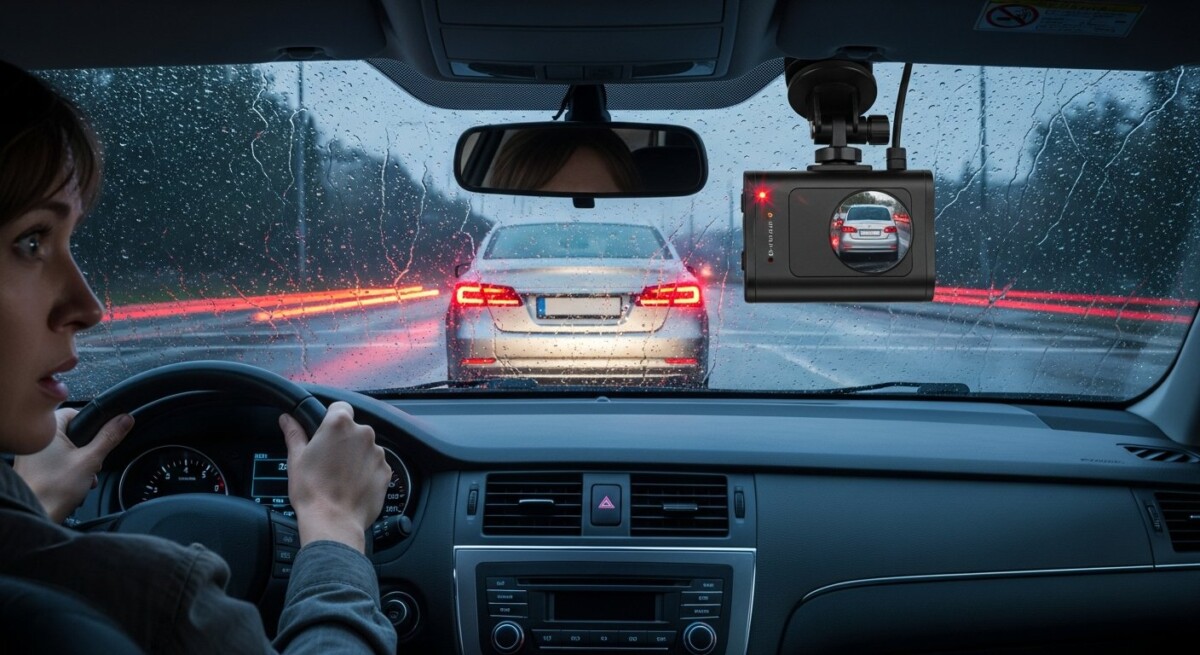
Imagine this: you are stopped at a red light, and suddenly your car lurches forward. The driver behind you insists you rolled backward into them. The police report notes conflicting stories. Without independent evidence, your word stands against theirs, and insurance adjusters often side with the driver who sounds most convincing. A dashcam changes that equation completely. It captures exactly what happened, removing doubt and giving you a powerful tool to protect your rights. For anyone involved in a collision, the question “can dashcam help car accident case” has a clear answer: yes, and often in ways that surprise even seasoned drivers.
Dashcams have moved from niche gadgets to mainstream safety tools. They record continuous video of the road ahead (and sometimes the cabin and rear view). When a crash occurs, that footage becomes a neutral witness. It does not forget, lie, or misinterpret events. This article explores how dashcam evidence works in legal claims, what makes footage admissible, and how to maximize its value. Whether you are considering a dashcam or already have one, understanding its role can make the difference between a disputed claim and a swift settlement.
Why Dashcam Footage Matters in Accident Claims
Insurance companies and courts rely on evidence to determine fault. Witness statements can be unreliable. Physical evidence like skid marks or vehicle damage tells part of the story but not the whole sequence. Dashcam video fills critical gaps. It shows the seconds leading up to impact, the exact point of collision, and the immediate aftermath. This timeline is often the deciding factor in liability disputes.
In our guide on car accident claim evidence needed to win, we explain how documentation builds a strong case. Dashcam footage ranks among the most persuasive forms of evidence because it is objective. It can disprove false claims, such as the other driver alleging you ran a red light or made an illegal turn. Without a dashcam, these disputes often become a credibility contest. With a dashcam, the video tells the truth.
Consider a real-world scenario: a driver merges into your lane and claims you sped up to block them. Your dashcam shows you maintained a steady speed and that the other driver failed to signal. The insurance adjuster views the footage and accepts your version. The claim resolves in your favor, and your rates do not spike. That is the practical power of dashcam evidence.
How Dashcam Footage Strengthens Your Legal Position
When you file a personal injury or property damage claim, the burden of proof rests on you. You must show that the other party acted negligently and caused your losses. Dashcam video directly supports each element of negligence: duty, breach, causation, and damages. It shows the other driver’s actions (or inaction) in real time.
For example, footage that captures a driver running a stop sign or distracted by a phone provides clear evidence of breach. It also links that breach to the collision, satisfying causation. This clarity often pressures the at-fault driver’s insurer to offer a fair settlement quickly. If the case goes to trial, the video simplifies the jury’s task. They see what happened rather than hearing competing narratives.
Dashcams also protect against fraudulent claims. Some drivers stage accidents or exaggerate injuries. A dashcam can reveal that the other vehicle deliberately slowed down to cause a rear-end collision, or that the alleged injury victim walked away from the scene without limping. This evidence can defeat a fraudulent claim entirely.
For a deeper look at what you can expect financially, read our article on car accident settlement amounts and factors. Dashcam footage often increases settlement value by removing liability disputes and allowing negotiations to focus on damages.
Legal Admissibility of Dashcam Evidence
Not all dashcam footage automatically enters evidence. Courts apply rules to ensure reliability and fairness. Understanding these rules helps you preserve the admissibility of your video.
Authentication Requirements
Before a judge admits dashcam footage, you (or the person who recorded it) must testify that the video accurately depicts the events. This usually requires stating that the camera was functioning properly, the date and time settings were correct, and the footage has not been altered. Keeping the original file on the memory card and making a copy for your attorney helps establish a chain of custody.
Relevance and Prejudice
The video must be relevant to the case. It should show the accident itself or conditions immediately before and after. If the footage includes irrelevant or highly prejudicial content (for example, profanity or unrelated illegal activity), the court may exclude parts of it. You can request redaction to remove problematic segments while keeping the crash sequence intact.
Hearsay Considerations
Dashcam video is generally not hearsay because it is not a statement made by a person. It is a mechanical recording of events. However, if the video captures audio of someone speaking (such as an admission of fault), that audio might qualify as an opposing party’s statement, which is an exception to the hearsay rule. This nuance makes audio-capable dashcams particularly valuable.
Steps to Take After a Crash with a Dashcam
If you have a dashcam and are involved in an accident, follow these steps to protect the evidence:
- Do not remove the memory card immediately unless the camera stops recording. Many dashcams continue recording after impact, capturing the other driver’s statements or the arrival of police.
- Save the original file to a computer or cloud storage as soon as possible. Do not edit or rename it. Preserve the metadata that shows the recording date and time.
- Make a backup copy for your attorney and insurance company. Keep the original card untouched in case a forensic expert needs to examine it.
- Inform law enforcement at the scene that you have dashcam footage. They may want to collect it as part of their investigation.
- Notify your lawyer about the footage. They can advise on how to disclose it to the other side and whether any portions should be redacted.
Taking these steps promptly prevents accidental overwriting or loss. Many dashcams loop record, meaning older footage is deleted to make room for new video. If you wait too long, the critical moments could be gone forever.
If your claim faces complications, such as a denial, understanding your options is crucial. Our guide on what to do after a car accident claim denial provides actionable steps to appeal and fight for fair compensation.
Limitations of Dashcam Evidence
While dashcams are powerful, they are not perfect. Understanding their limitations helps you avoid overreliance on a single piece of evidence.
Field of view: Most dashcams face forward. They do not capture side impacts, rear collisions (unless you have a rear camera), or events happening outside the lens. A crash that occurs in your blind spot may not appear on video.
Quality and lighting: Low-resolution cameras may not capture license plate numbers or facial details. Night footage can be grainy or unusable without good infrared capability. Glare from headlights or sunlight can wash out important details.
Audio issues: Some dashcams record audio inside the vehicle. This can be helpful (catching the other driver’s admission) but also problematic if you say something incriminating. Review the audio before sharing it broadly.
Tampering accusations: The opposing side may allege that you edited or manipulated the footage. Keeping the original file and having a clear chain of custody minimizes this risk.
Types of Dashcams and Their Legal Value
Not all dashcams offer the same evidentiary value. Consider these features when choosing a camera for legal protection:
- High-definition resolution (1080p or higher): Clear video helps identify license plates, road signs, and driver actions.
- Wide dynamic range: Cameras with this feature handle bright sunlight and dark shadows better, preserving details in challenging light.
- GPS logging: Built-in GPS records your speed and location, which can corroborate or refute claims about speeding or route deviations.
- G-sensor: This sensor detects sudden impacts and automatically locks the current file so it is not overwritten.
- Rear and interior cameras: Dual-channel systems capture views behind and inside the vehicle, useful for rear-end collisions or disputes about driver distraction.
Investing in a quality dashcam is a small price compared to the legal protection it provides. A $100 camera can save thousands in legal fees and prevent a disputed claim from dragging on for months.
How Attorneys Use Dashcam Footage
Experienced personal injury lawyers know how to leverage dashcam video strategically. They review the footage early to assess the strength of your case. If the video clearly shows the other driver at fault, your attorney may send a demand letter with a link to the footage, prompting a quick settlement. If liability is contested, the lawyer will work with an expert to authenticate the video and present it persuasively in court or mediation.
Attorneys also use dashcam footage to counter defense arguments. For example, if the defense claims you were distracted, the video may show your hands on the wheel and eyes on the road. If they allege you were speeding, GPS data from the dashcam can confirm your actual speed. This level of detail strengthens your negotiating position.
For those in Pennsylvania or seeking state-specific guidance, our resource on legal consultation for car accident cases in Dallas offers insights into how local laws affect dashcam admissibility and claim strategy. While focused on Dallas, the principles of evidence apply broadly across jurisdictions.
Frequently Asked Questions
Can dashcam footage be used against me?
Yes, if the footage shows you violating traffic laws or acting negligently, the other party can use it against you. This is why you should review the video with your attorney before sharing it widely. In most cases, however, honest drivers benefit from dashcam evidence because it confirms their version of events.
Do I need to tell the other driver I have a dashcam?
You are generally not required to disclose that you have a dashcam. However, if you are asked directly during a deposition or in a legal proceeding, you must answer truthfully. Laws about audio recording vary by state, so check your local regulations if your dashcam records sound.
Will my insurance company increase my premium for having a dashcam?
No, insurance companies typically do not penalize you for having a dashcam. Some even offer discounts for using one because it reduces the risk of fraudulent claims. Ask your insurer about potential savings.
How long should I keep dashcam footage after an accident?
Keep the footage until your claim is fully resolved, including any appeals or statute of limitations periods. For most car accident cases, this means keeping the video for at least two to three years. If your case involves serious injury or goes to trial, keep it indefinitely or until your attorney advises otherwise.
Can I use a smartphone app instead of a dedicated dashcam?
Smartphone apps can serve as a temporary solution, but they have drawbacks. They drain your phone battery, may not record reliably, and could be interrupted by calls or notifications. Dedicated dashcams are more reliable for continuous, high-quality recording and are easier to use as evidence.
Dashcam technology continues to evolve, with features like cloud storage, AI-powered event detection, and real-time alerts. As these tools become more accessible, their role in accident cases will only grow. For now, a simple, well-placed dashcam remains one of the most effective ways to protect yourself after a collision.
If you have been in an accident and need guidance on preserving evidence or pursuing a claim, consulting an experienced attorney is the best first step. They can evaluate your dashcam footage, advise on its legal use, and help you navigate the claims process. The question “can dashcam help car accident case” is answered every day in courtrooms and insurance offices across the country, where video evidence turns confusion into clarity and helps injured drivers get the compensation they deserve.