
Ignition Interlock Device Requirements in Pennsylvania
Ignition interlock device requirements in Pennsylvania explained: who must install one, how long it stays, and steps to restore your license legally.

By Jose Armendariz
Facing a DUI charge in Pennsylvania can feel overwhelming, especially when you learn that getting back on the road may require an ignition interlock device. This small piece of technology, which tests your breath before your car will start, has become a central part of Pennsylvania's effort to reduce repeat drunk driving offenses. Understanding exactly what the state requires, who must install the device, how long it stays on your vehicle, and what happens if you try to drive without it can save you from additional fines, license suspensions, and even jail time. The rules are detailed, and they changed significantly in recent years, so even people who dealt with an interlock years ago may find the current landscape unfamiliar.
Pennsylvania treats ignition interlock compliance seriously, and the courts, PennDOT, and approved vendors all play a role in monitoring your progress. Whether you are a first-time offender, a repeat offender, or someone seeking a restored license after a refusal, the path forward depends on accurate information. This guide walks through the key requirements, the application process, costs, and practical steps so you can plan with confidence. If at any point you feel the legal details are too complex to handle alone, resources such as LawyerCaseReview connect individuals with attorneys who can evaluate your situation and explain your options.
Who Must Install an Ignition Interlock Device in Pennsylvania
Pennsylvania law requires an ignition interlock device for several categories of drivers, and the specific trigger often depends on your Blood Alcohol Content (BAC) at the time of arrest, the number of prior offenses, and whether you refused chemical testing. Under Act 33 of 2016, which took effect in 2017, the state expanded the interlock requirement to include many first-time offenders who previously might have avoided the device. The law now mandates interlock for any person convicted of a DUI with a BAC of .10 percent or higher, as well as for repeat offenders and those who refuse testing.
The chart below summarizes the most common scenarios. Keep in mind that a qualified DUI attorney can review your specific facts, because aggravating factors such as a minor in the vehicle or an accident causing injury can change the outcome.
- First offense, BAC .10 to .159: Interlock required for one year if you want a restored license during the suspension period.
- First offense, BAC .16 or higher: Interlock required for one year.
- First offense, refusal to test: Interlock required for one year.
- Second offense: Interlock required for one year, and sometimes longer depending on the judge.
- Third or subsequent offense: Interlock required for one year, with a possible lifetime requirement for certain high-BAC or repeat cases.
It is important to note that the interlock requirement is not automatically imposed by the criminal court alone. PennDOT administers the program, and you must apply for the interlock-restricted license separately. Many people assume that once the judge mentions interlock, the device can be installed immediately, but the process involves paperwork, fees, and coordination between the court, PennDOT, and an approved vendor. Missing a step can delay your ability to drive legally.
Another common question involves out-of-state residents or people who move to Pennsylvania after a DUI conviction elsewhere. Pennsylvania generally honors interlock requirements from other states if the conviction would have triggered interlock here. However, you must still enroll in Pennsylvania's program and use a device that meets state specifications. Driving without a valid interlock-restricted license, even if you have a device installed, can lead to additional charges.
How the Pennsylvania Interlock Program Works
Once you are eligible for an interlock-restricted license, you must follow a defined sequence of steps. The process begins with your suspension period, which varies by offense. In many cases, you must serve a portion of your suspension before you can apply for the interlock license. For example, a first-time offender with a high BAC may serve a 60-day suspension, then become eligible for the interlock license for the remainder of the year. The interlock device itself is installed at an approved service center, and you are responsible for all costs.
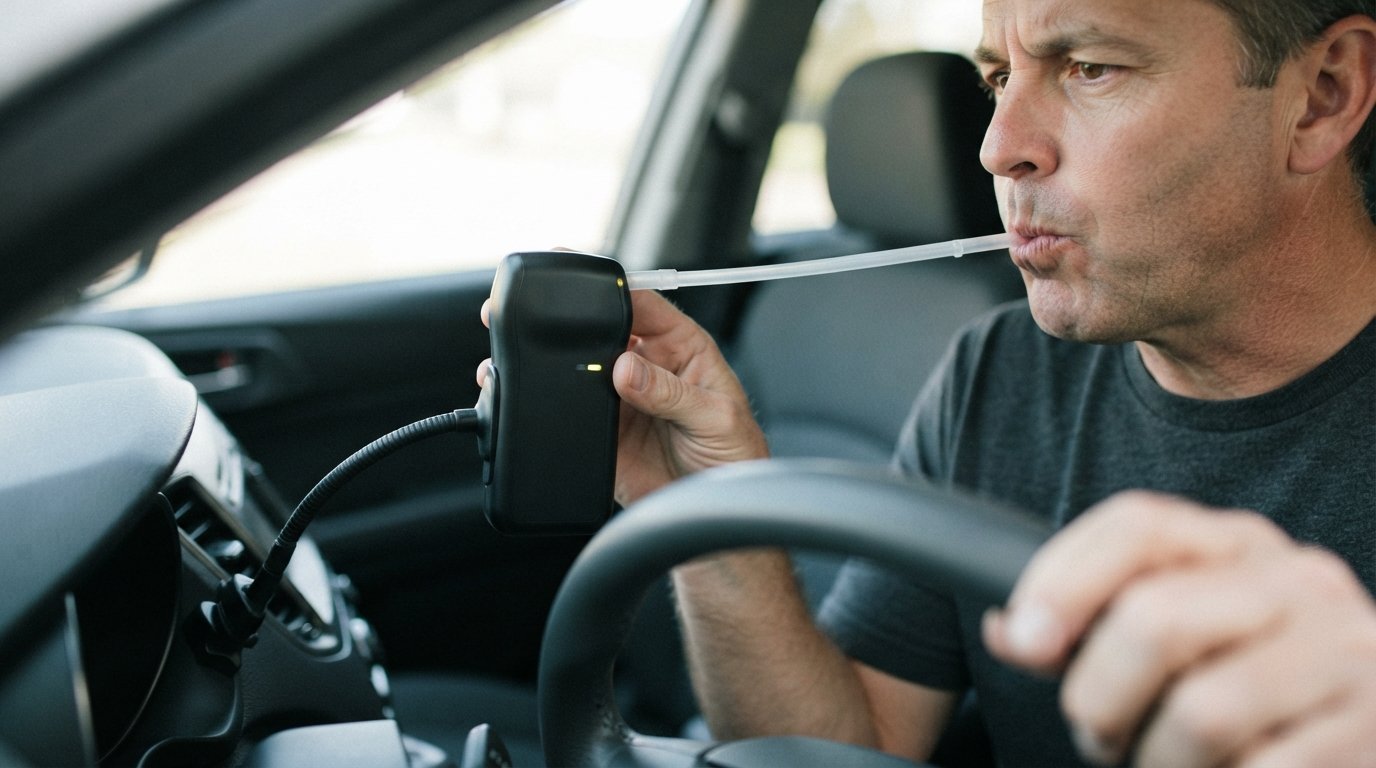
The device works by requiring you to blow into a mouthpiece before the vehicle will start. If your breath sample registers above a preset limit (usually .025 in Pennsylvania), the car will not start. The device also prompts rolling retests while you are driving, typically every five to fifteen minutes. If you fail a rolling retest or skip it, the device will log the event, sound an alarm, and may flash your lights until you pull over and comply. These logs are downloaded during monthly calibration appointments and are reported to PennDOT.
Compliance is not just about blowing clean. You must also:
- Attend all scheduled calibration and monitoring appointments, usually every 30 to 60 days.
- Pay monthly lease fees, installation costs, and any calibration charges.
- Never attempt to start the vehicle after consuming alcohol, even if you feel fine.
- Avoid tampering with the device or asking someone else to blow for you.
- Keep the device clean and free of food, gum, or tobacco residue that can cause false readings.
Violations are taken seriously. A first violation may result in a warning or an extension of your interlock period. Repeat violations can lead to a full license suspension, and tampering can bring criminal charges. PennDOT receives violation reports directly from the vendor, so there is no way to hide a failed test. If you believe a violation was recorded in error, you can request a hearing, but you will need evidence such as service records or witness statements.
Costs vary by vendor, but you should expect to pay an installation fee of roughly $100 to $200, a monthly lease fee of $70 to $100, and additional charges for calibration, removal, and any missed appointments. Some vendors offer reduced rates for indigent drivers, but you must apply and provide proof of income. Pennsylvania does not cover these costs for most offenders, so budgeting ahead is essential. If you are also dealing with a personal injury claim from the same incident, an attorney can help you understand how DUI-related expenses may interact with other legal matters, as explained in resources on navigating DUI legal challenges in Pennsylvania.
Duration of the Interlock Requirement and Early Removal
The length of time you must keep the interlock device depends on your offense and your compliance history. For most first-time offenders with a high BAC or a refusal, the requirement is one year. Second offenders typically face one year as well, but judges have discretion to impose longer periods. Third and subsequent offenders may face one year with a possible lifetime interlock requirement if certain aggravating factors are present, such as a BAC of .16 or higher or an accident involving injury.
Many drivers want to know if they can remove the device early. Pennsylvania law allows for early removal only in limited circumstances. If you have completed at least six months of the interlock period with no violations, you may petition the court for early removal. The judge will consider your driving record, your compliance with the interlock program, and any other relevant factors. However, early removal is not guaranteed, and some counties are stricter than others. If you are granted early removal, you must still obtain a regular license from PennDOT before driving without the device.
It is also possible to have the interlock requirement extended. If you fail a test, miss an appointment, or are caught driving a vehicle without an interlock, PennDOT can add time to your requirement. In some cases, a single violation can add six months or more. This is why strict compliance from day one is so important. Keeping a calendar of appointments, setting reminders, and choosing a vendor with convenient locations can make the process smoother.
Consequences of Non-Compliance and How to Avoid Them
Failing to follow interlock rules can escalate quickly. A first violation typically results in a warning letter and a requirement to appear at a PennDOT hearing. If the hearing officer finds that you violated the rules, your interlock period may be extended, or your license may be suspended. A second violation can lead to a longer suspension, and a third can result in a full revocation. In addition, driving without a valid interlock-restricted license is a summary offense that can carry fines and even jail time for repeat offenders.
Tampering with the device is a separate criminal offense. Attempting to bypass the interlock by having someone else blow into it, using compressed air, or disconnecting the device can lead to misdemeanor charges. Insurance companies may also cancel your policy or raise your rates significantly after an interlock violation. If you are involved in an accident while driving without a valid interlock license, your insurance claim could be denied, leaving you responsible for damages out of pocket.
To avoid these outcomes, treat the interlock program as a strict routine. Plan ahead for calibration appointments, keep the device clean, and never drive after drinking anything, even a small amount. If you are prescribed medication that contains alcohol, check with your doctor and the vendor before driving. Some mouthwashes and foods can trigger false positives, so rinse with water and wait a few minutes before blowing. If you experience a device malfunction, contact your vendor immediately and document the issue. Do not attempt to fix the device yourself.
Finally, remember that the interlock program is temporary for most people. Completing it successfully can restore your driving privileges and help you move forward. If you are facing related legal issues, such as a personal injury claim from the same incident or a separate criminal matter, having an attorney review your case can provide clarity. LegalCaseReview offers free case evaluations and can connect you with experienced Pennsylvania lawyers who understand the intersection of DUI law, insurance claims, and personal injury litigation.
Understanding the ignition interlock device requirements in Pennsylvania is the first step toward regaining your license and putting a difficult chapter behind you. The rules are strict, but they are navigable with careful planning, reliable information, and professional guidance when needed. Take the time to review your obligations, budget for the costs, and stay compliant. Your diligence today can protect your driving privileges tomorrow and help you avoid the costly consequences of a misstep.